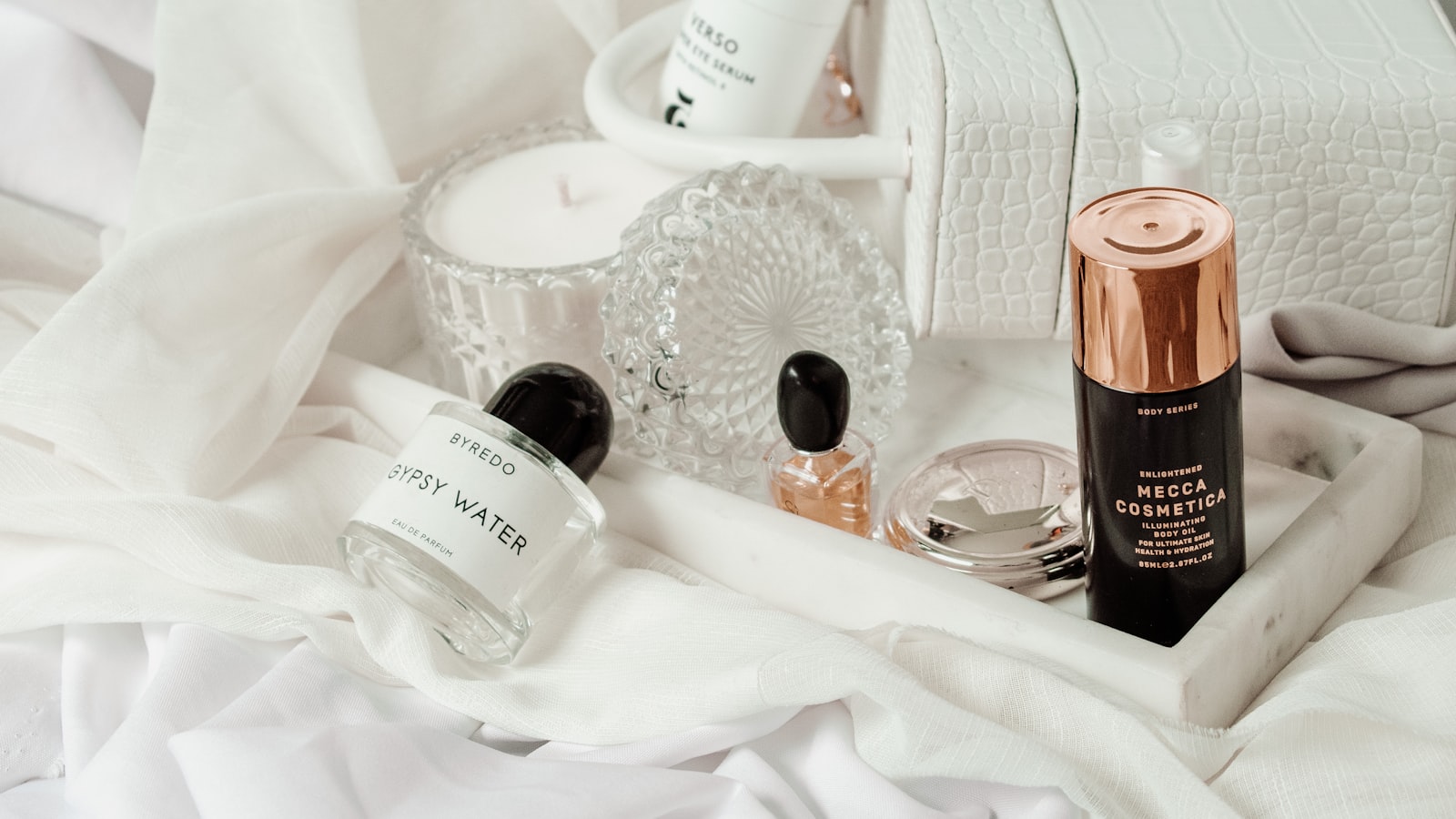
Lemon8 is ByteDance’s lifestyle app — picture a blend of Instagram’s polish, Pinterest’s planning and Xiaohongshu’s review culture, made by the company behind TikTok. It pushed hard into Southeast Asia, including Singapore, and it has carved out a real niche among younger, lifestyle-minded users. For the right brand, Lemon8 marketing offers an engaged audience and content that keeps working through search. This guide explains how the app actually functions, who is on it locally, and how to decide whether it deserves your effort.
What Lemon8 is and where it sits
Lemon8 is built around aesthetic, useful, review-style content — beauty, fashion, food, travel, wellness, home and study/productivity. The native format is a polished image carousel or short video paired with a detailed, helpful caption. If Xiaohongshu is the reference point, Lemon8 is its more international cousin, designed for audiences outside China.
What makes it distinctive is the mix of discovery and depth. Like TikTok, it surfaces content to non-followers, so reach is not locked behind follower count. Like Pinterest and RED, it is search-friendly and review-led, so a strong post keeps being found long after it is published. That combination is the core appeal of Lemon8 marketing for brands.
Who is on Lemon8 in Singapore
The audience skews young and female, with strong interest in beauty, skincare, fashion, F&B, travel and lifestyle — closely mirroring the categories that thrive on the app. Many users came across from TikTok and Instagram looking for more detailed, considered content than a 15-second clip provides.
That makes Lemon8 a strong fit for lifestyle and consumer brands targeting younger Singaporeans — a beauty label, a café, a fashion boutique, a wellness studio, a travel-adjacent business. For B2B, trades or older mass-market audiences, the platform offers little. As with any niche channel, the honest first question is whether your customer is actually here.
The content that works: helpful and aesthetic
Lemon8 rewards a specific content style, and brands that import a generic Instagram grid struggle. The posts that perform are equal parts beautiful and genuinely useful.
- Detailed reviews and recommendations — honest, specific takes on products, places or experiences.
- Guides and how-tos — “a skincare routine for humid Singapore weather”, “where to eat in Tiong Bahru”, structured as digestible carousels.
- Aesthetic carousels with a strong cover image and clean, considered layout.
- Keyword-rich captions — because the app is searchable, describing your content in the words people look up helps it keep surfacing.
The tone is helpful-friend, not hard-sell. Overt advertising reads as out of place; the most effective Lemon8 marketing genuinely informs, with the brand woven in naturally. Producing that steady stream of polished, useful content is exactly the kind of work our social media management team handles.
Creators and seeding on Lemon8
As on Xiaohongshu, creators are central. Everyday creators and micro-influencers posting authentic reviews carry real weight, because the platform’s culture is built on trust and personal experience. Seeding product or experiences to a curated set of relevant local creators — and letting them post in their own voice — often does more than a polished brand account alone.
This word-of-mouth layer suits Singapore’s lifestyle categories well, where a believable recommendation from someone who feels like a peer moves more product than a glossy ad. Building and managing that creator relationship, rather than chasing the biggest names, is usually the smarter route on Lemon8.
One efficiency worth flagging: because Lemon8 sits within the ByteDance family alongside TikTok, the content, creators and aesthetic often overlap. A brand already producing for TikTok can frequently adapt the same assets and creator partnerships for Lemon8 with modest extra effort, which lowers the cost of testing the platform considerably.
Is Lemon8 worth it in 2026?
An honest assessment matters here, because Lemon8’s footprint is smaller than the major platforms. Lemon8 marketing is worth testing when:
- You are a lifestyle or consumer brand — beauty, fashion, F&B, travel, wellness, home.
- Your audience is younger Singaporeans, particularly women, who value detailed, aesthetic content.
- You can produce or commission genuinely useful, well-designed posts consistently.
It is not a replacement for your core channels, and we would not advise dropping a working Instagram or TikTok strategy for it. Think of Lemon8 as a focused, complementary channel that can deliver engaged, high-intent reach in the right categories — and a poor use of time outside them. Trialling it is cheap; the smart move is to test fit before committing budget.
Frequently asked questions
How is Lemon8 different from Xiaohongshu?
They share a review-led, aesthetic format, but Xiaohongshu is China-focused and Mandarin-first, serving Chinese consumers and tourists, while Lemon8 is built for international audiences and runs in English in markets like Singapore. For reaching young, English-speaking Singaporeans, Lemon8 is the relevant one; for Chinese-speaking audiences, Xiaohongshu remains the platform.
Is Lemon8 just a smaller Instagram?
Not quite. It is more search-led and review-driven, and it surfaces content to non-followers, so reach depends less on follower count and good posts keep being discovered over time. The content also runs deeper and more useful than a typical Instagram post, closer to a mini-guide than a caption.
Should I post the same content on Lemon8 and Instagram?
You can adapt content across both, but Lemon8 rewards more detailed, helpful, search-friendly captions and a review-style angle. A straight copy of an Instagram post underperforms; reframing it as a genuinely useful guide or recommendation gets far better traction.
Curious whether Lemon8 fits your brand? Tell us about your audience and we’ll give you an honest read on whether Lemon8 marketing is worth testing. See the standard of our work in our portfolio.