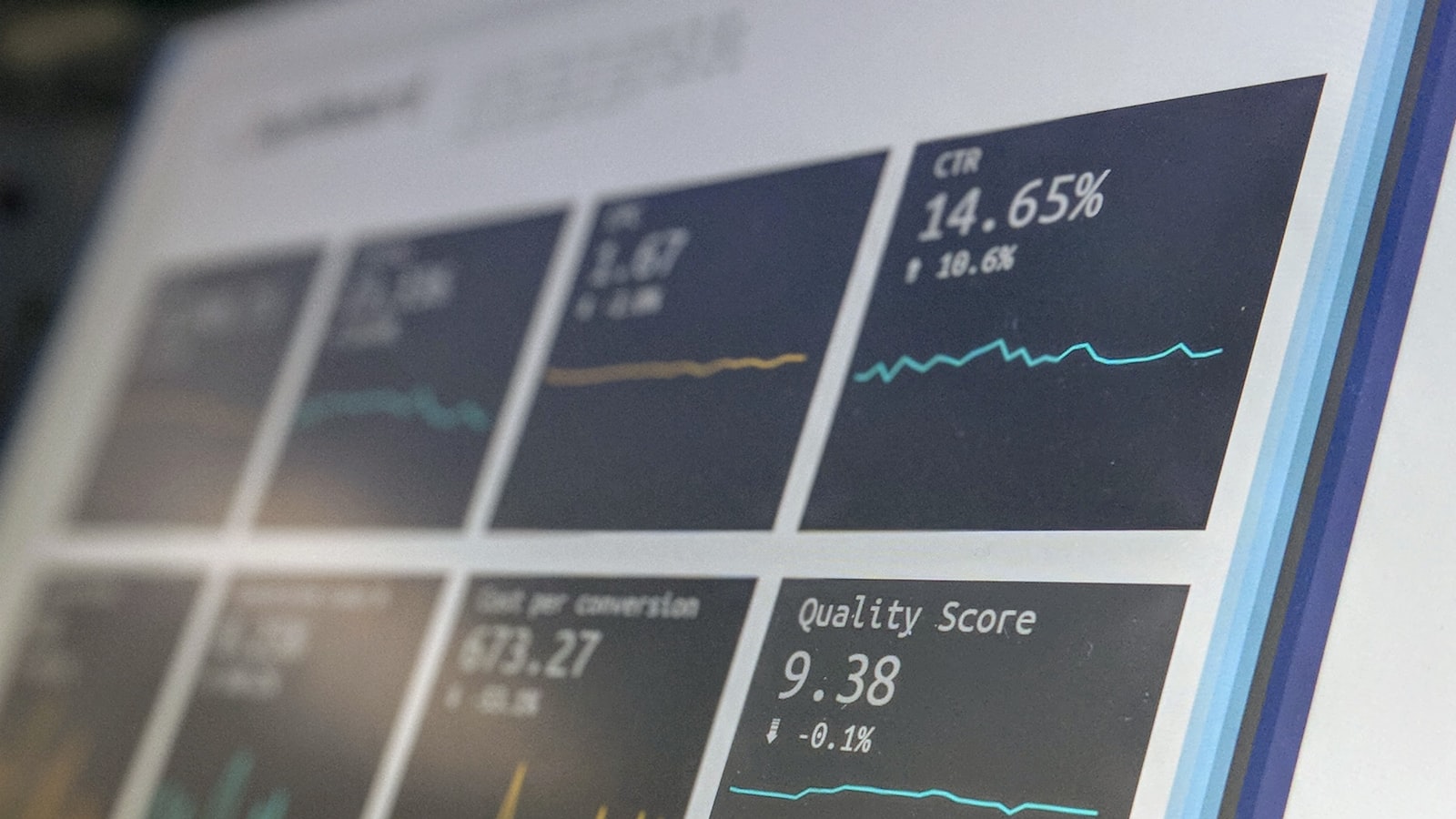
Marketing KPIs are the numbers you use to judge whether your marketing is working. The problem is that most dashboards are stuffed with metrics that look impressive and mean nothing — likes, impressions, follower counts — while the numbers that actually predict revenue get buried. Tracking the wrong KPIs does not just waste time; it leads to confident decisions based on noise. This guide separates the marketing KPIs that matter from the vanity metrics, and shows how to build a focused view that drives real decisions for a Singapore business.
Vanity metrics vs metrics that matter
The first discipline is honesty about what a number actually tells you. A vanity metric makes you feel good but does not connect to business outcomes or inform a decision. A real KPI does both.
- Vanity: total followers, page likes, impressions, raw website visits. These can rise while sales flatline.
- Meaningful: qualified leads, conversion rate, cost per acquisition, customer lifetime value, return on ad spend. These tie to money.
The test is simple: if a number went up, would you know what to do differently? If not, it is probably vanity. Impressions are not worthless — they have a place in awareness measurement — but they should never be the headline you report success on.
The KPIs worth tracking
The right KPIs depend on your goals, but a core set serves almost every business. Think of them across the funnel:
- Cost per lead / cost per acquisition (CPA) — what it costs to win a lead or customer. Central to knowing if marketing is profitable.
- Conversion rate — the percentage of visitors or leads who take the action you want. Reveals how efficient your funnel is.
- Customer lifetime value (CLV) — what a customer is worth over time. Without it, CPA is meaningless — you cannot tell if a customer is worth what you paid.
- Return on ad spend (ROAS) — revenue generated per dollar of ad spend.
- Lead-to-customer rate — how well leads convert into paying customers; exposes problems in sales follow-up, not just marketing.
- Retention and repeat-purchase rate — often more profitable to improve than acquisition.
The CPA-to-CLV relationship is the one most SMEs underuse: a high CPA is fine if customers are worth a lot and stay; a low CPA is a trap if they buy once and leave.
Match KPIs to the goal, not the channel
A common mistake is judging every activity by the same yardstick. An awareness campaign and a bottom-of-funnel sales campaign have different jobs, so they need different KPIs. Holding a brand-awareness video to a last-click ROAS target will make a perfectly good campaign look like a failure.
- Awareness goals — reach, brand search volume, assisted conversions.
- Consideration goals — engagement, lead capture, content consumption.
- Conversion goals — CPA, ROAS, conversion rate.
Pick the KPI that reflects what each activity is actually meant to achieve. This goal-first thinking is how we structure measurement in performance marketing, so nothing gets judged on the wrong scoreboard.
Keep the dashboard small
The temptation is to track everything because the tools make it easy. Resist it. A dashboard with fifty metrics is one nobody reads or acts on. The best marketing dashboards are small and decision-oriented — a handful of KPIs that map directly to your goals, reviewed on a regular rhythm.
Practical guidance:
- Choose a few headline KPIs that genuinely drive decisions, and demote the rest to detail you only check when investigating something.
- Always show trend over time, not just a snapshot — a number means little without context of whether it is rising or falling.
- Set a target or benchmark for each, so a result is clearly good or bad, not just a figure floating in space.
Reliable KPIs need reliable tracking
KPIs are only as trustworthy as the data behind them. Before obsessing over targets, make sure the plumbing is sound: conversion tracking set up correctly, consistent UTM tagging on campaigns, and a clear definition of what counts as a lead or a conversion. Many a “bad” KPI is really a tracking problem in disguise. Getting this foundation right is what lets you tie marketing to actual revenue — and connect content effort to results, which we treat as essential in content marketing.
Frequently asked questions
What are the most important marketing KPIs for a small business?
For most SMEs, cost per acquisition, conversion rate and customer lifetime value form the core, ideally with return on ad spend and retention. Together they tell you what it costs to win a customer, how efficiently your funnel converts, and whether that customer is worth the cost — which is what really matters.
Are impressions and followers worthless metrics?
Not worthless, but they are easily misused. They can indicate reach and awareness, yet they do not prove business impact and can rise while sales stay flat. Treat them as supporting context, never as the headline measure of success — judge marketing on metrics tied to leads and revenue.
How many KPIs should I track?
Fewer than you think. A handful of headline KPIs tied directly to your goals, reviewed regularly with trends and targets, beats a sprawling dashboard nobody acts on. Keep the rest as detail you only dig into when investigating a specific question.
Drowning in metrics but unsure what is working? See our work, then get in touch and we will build a KPI dashboard that actually drives decisions.