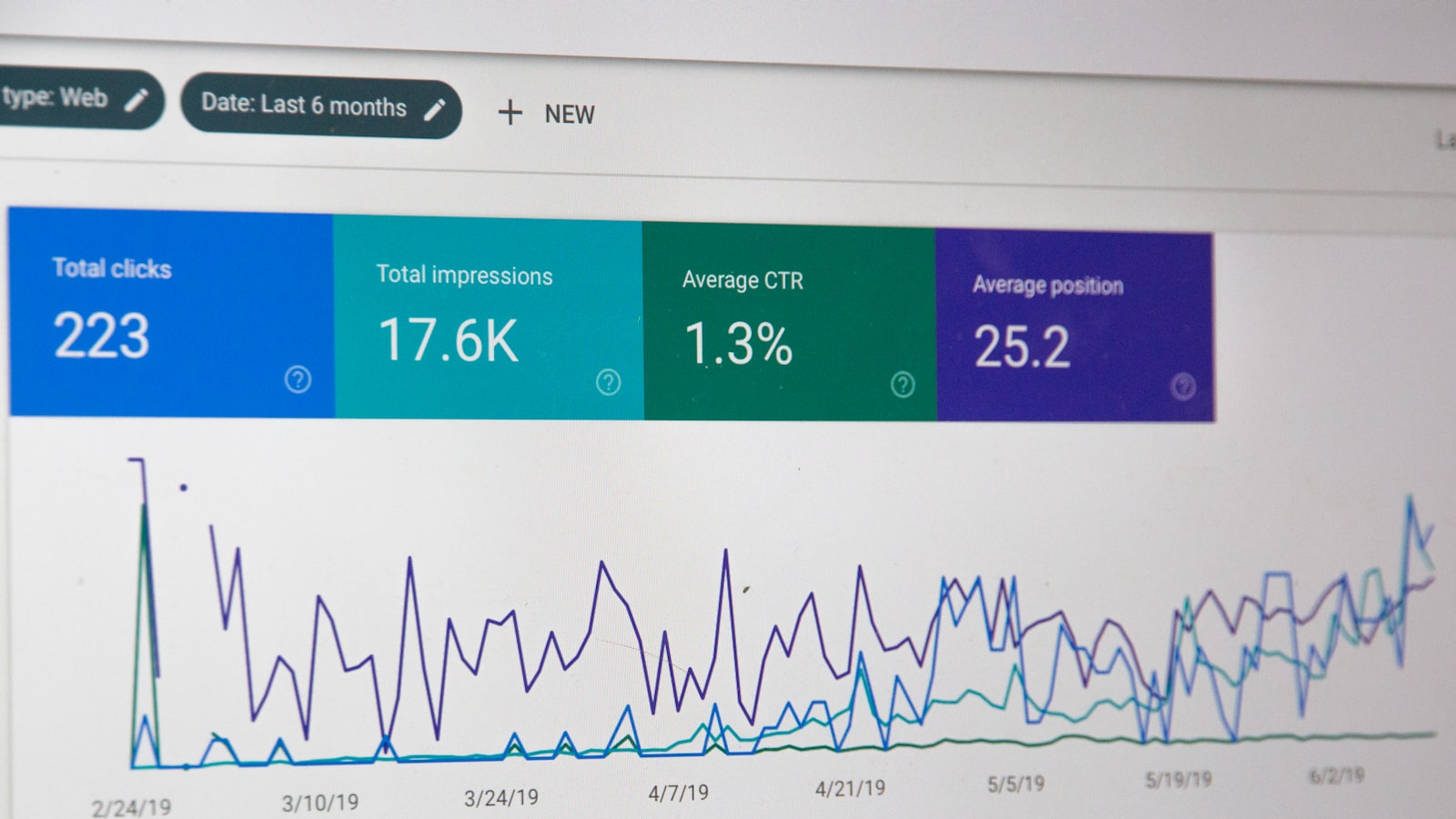
If you want to appear at the top of Google the moment someone searches for what you sell, search engine marketing is how you do it. SEM is the practice of buying visibility on search engines through paid ads — and for Singapore businesses that need leads now rather than in six months, it is often the fastest channel to switch on. This beginner’s guide explains how it works, what the jargon means, what it costs, and how to start without burning your budget.
What is search engine marketing?
Search engine marketing is the use of paid advertising to appear in search engine results. When you search on Google, the results marked “Sponsored” at the top are SEM in action. Advertisers bid to show their ad when people search specific terms, and they pay — usually per click — when someone taps through.
A quick clarification, because the terms get tangled:
- SEM today almost always means paid search advertising.
- PPC (pay-per-click) is the pricing model behind most SEM — you pay per click.
- SEO is the organic, unpaid sibling — you earn rankings instead of buying them.
SEM and SEO are complementary. SEM gives you instant visibility; SEO builds lasting presence. Most strong programmes use both within a wider performance marketing strategy.
How search engine marketing works
SEM runs on an auction. Here is the simplified version of what happens every time someone searches:
- You choose keywords — the search terms you want to show up for.
- You set a bid — the maximum you will pay for a click.
- Google runs an auction — comparing your bid and ad quality against competitors.
- Ad rank is decided — by your bid multiplied by your Quality Score (how relevant and useful your ad and landing page are).
- You pay per click — only when someone actually clicks.
The crucial insight: you do not win by bidding highest. A relevant ad with a strong landing page can outrank a higher bidder because Google rewards quality. This is why good SEM is about relevance, not just spend.
The key terms you need to know
- Keyword: the search term you bid on. Can be broad or specific.
- CPC (cost per click): what you pay each time someone clicks.
- Quality Score: Google’s rating of your ad and landing page relevance — higher scores lower your costs.
- CTR (click-through rate): the percentage of people who click after seeing your ad.
- Conversion: the desired action after the click — a purchase, enquiry, or call.
- Negative keywords: terms you exclude so you do not pay for irrelevant clicks.
- Impression share: how often your ad showed versus how often it could have.
What does SEM cost in Singapore?
There is no fixed price — you set the budget, and the auction sets the cost per click. CPCs vary enormously by industry: competitive sectors like finance, legal, and property in Singapore often command high single-digit to double-digit SGD per click, while niche or local terms can cost a fraction of that.
For a meaningful test, many Singapore SMEs start with a monthly media budget in the high-hundreds to low-thousands of SGD, plus management if they use an agency. The key is to start small, learn which keywords convert, and scale what works rather than spreading a thin budget across everything.
Remember that media spend (what you pay Google) and management fees (what you pay an agency to run it) are separate. Budget for both.
How to launch your first SEM campaign
1. Define one clear goal
Leads, calls, sales, bookings — pick one. Your goal shapes your keywords, budget, and how you measure success.
2. Build a tight keyword list
Start with high-intent terms — phrases that signal someone is ready to act, like “buy”, “book”, “near me”, or your service plus “Singapore”. Avoid broad, vague keywords early; they drain budget fast.
3. Write relevant ads
Match the ad to the search. If someone searches “aircon servicing Bukit Timah”, your ad should mention aircon servicing and the area. Relevance lifts both CTR and Quality Score.
4. Send clicks to a focused landing page
Do not dump paid traffic on your homepage. Send it to a page built for that offer with a clear call to action. A weak landing page wastes every dollar you spent getting the click.
5. Track conversions and add negative keywords
Set up conversion tracking before you spend a cent — otherwise you are flying blind. Then review search terms regularly and add negatives to cut wasted spend.
Common SEM mistakes to avoid
- No conversion tracking. If you cannot measure leads, you cannot optimise.
- Bidding on broad keywords too early. You pay for clicks that never convert.
- Ignoring negative keywords. Money quietly leaks to irrelevant searches.
- Sending traffic to the homepage. Conversions tank without a focused landing page.
- Set and forget. SEM rewards regular optimisation; left alone, performance drifts.
Frequently asked questions
What is the difference between SEM and SEO?
Search engine marketing (SEM) buys visibility through paid ads — instant results, but you pay per click and it stops when the budget does. SEO earns organic rankings over months without paying per click. Many businesses run both: SEM for speed, SEO for lasting presence.
How much should I budget for SEM in Singapore?
Enough to gather meaningful data — often a high-hundreds to low-thousands SGD monthly media budget for an SME, plus management if you use an agency. Costs per click depend heavily on your industry’s competitiveness. Start small, find what converts, then scale.
Can I run search engine marketing myself?
Yes — the platforms are open to anyone. The challenge is doing it efficiently: keyword selection, bid management, Quality Score, and conversion tracking all affect how far your budget goes. Many SMEs start solo and bring in help once spend grows enough that waste becomes costly.
Ready to get found on Google? We plan and manage search engine marketing campaigns as part of our performance marketing service. Tell us about your project and we will outline a sensible starting strategy.