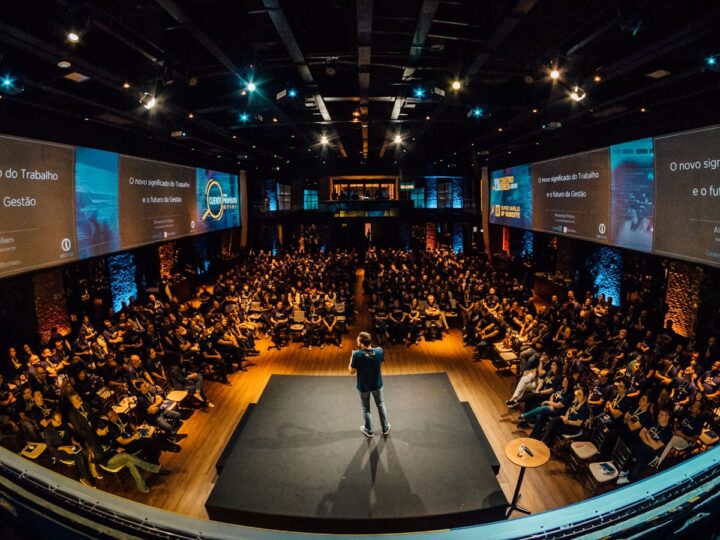
Done well, webinar marketing is one of the few tactics that warms up a cold audience, qualifies buyers, and books sales calls all in one sitting. Done badly, it is an empty Zoom room and a wasted afternoon. The difference is rarely the topic — it is the planning and the follow-up. This playbook walks through how we run webinars for Singapore SMEs, from picking an angle that fills seats to turning attendees into pipeline.
Why webinar marketing still works in Singapore
Singapore buyers are time-poor and sceptical of sales decks. A webinar flips the dynamic: you give away genuinely useful knowledge first, and the audience self-selects. The people who register, show up and stay to the end are telling you they have the problem you solve.
It also suits how local professionals consume content. Lunch-and-learn formats, after-work sessions at 8pm SGT, and short 30-minute clinics all fit around a packed working day. You are not asking for a big commitment — just a focused block of attention in exchange for something they cannot easily Google.
Pick a topic that sells the next step
The best webinar topics sit one layer above your product. If you sell accounting software, the webinar is “How to close your books in three days, not three weeks” — not a product walkthrough. You teach the method; your product is simply how you make the method easy.
- Solve one specific problem. Narrow beats broad. “GST filing mistakes that trigger an IRAS audit” will out-pull “Tax tips for SMEs” every time.
- Promise a takeaway. A template, a checklist, a framework — something attendees leave with.
- Make it timely. Tie it to a deadline, a regulation change, or a seasonal pressure your audience already feels.
Build the promotion runway
Most failed webinars die in promotion, not content. Registrations are a numbers game, and no-show rates in this region typically run 50–65%, so you need to fill the top of the funnel generously. Start promoting at least two to three weeks out.
Channels that pull their weight
- Email list. Your warmest source. Three sends usually outperform one — announcement, reminder, and last-call.
- LinkedIn. The strongest organic channel for B2B in Singapore. Post from the presenter’s personal profile, not just the company page.
- Paid social. A modest spend on LinkedIn or Meta lead-gen ads can backfill seats. Strong performance marketing here means tight targeting and a clear cost-per-registration goal rather than chasing vanity reach.
- Partners. Co-hosting with a complementary business doubles your reach and lends credibility.
Keep the registration page short: title, three bullet takeaways, the presenter, the date and time in SGT, and one form. Every extra field costs you sign-ups.
Run a session people stay for
Attention is fragile online. Open with the payoff — tell people in the first two minutes exactly what they will be able to do by the end. Then deliver, with as little throat-clearing as possible.
- Show, don’t lecture. Screen-share a real example, a live teardown, or a worked calculation. Slides full of bullet points lose the room.
- Invite interaction. Polls, the chat box, and live Q&A keep people present and give you signal on what they care about.
- Make one clear offer. Near the end, name the next step — a consultation, an audit, a trial. One call to action, repeated once, beats a scattering of links.
Record everything. The replay often generates more leads than the live session, because half your registrants could not make the time slot.
The follow-up is where the leads are made
This is the step most businesses skip, and it is where webinar marketing actually pays off. The session ended; the selling has just started.
A simple post-webinar sequence
- Within 24 hours: send the replay, the promised template, and a one-line reminder of your offer to everyone who registered — attendees and no-shows alike.
- Segment by behaviour: people who stayed to the end or clicked your offer get a more direct follow-up, ideally a personal email or call.
- Day three to five: answer the best question from the Q&A in a short follow-up email. It adds value and gives you a reason to land in the inbox again.
Track the metrics that matter: registration-to-attendance rate, attendance-to-lead rate, and ultimately cost per qualified lead. Those numbers tell you whether to run the same webinar again — and most evergreen topics are worth repeating quarterly.
Repurpose the recording
One webinar is a content goldmine. The full recording becomes a gated replay. Standout moments become short clips for LinkedIn and Instagram. The Q&A becomes an FAQ blog post. The slides become a downloadable guide. A good social media team can stretch a single 45-minute session into a month of content, and our videography work often starts from exactly this kind of source footage.
Frequently asked questions
How long should a marketing webinar be?
For Singapore audiences, 30 to 45 minutes of content plus 10 to 15 minutes of Q&A works well. Shorter sessions respect busy schedules and tend to hold attention better than the old 60-minute format. Protect the Q&A — it is often the most engaging part.
What is a realistic attendance rate?
Expect roughly 35–50% of registrants to show up live, sometimes lower for free events. That is normal, not a failure. Plan your registration targets around it and lean on the replay to capture everyone who could not attend on the day.
Do I need expensive software to run a webinar?
No. Zoom, Google Meet or a dedicated webinar tool will all do the job for an SME starting out. Spend on a decent microphone and a stable connection before you spend on platform features. Production polish matters far less than a useful topic and a strong follow-up.
Planning a webinar that needs to fill seats and convert? Tell us about your project and we will help you build the promotion, production and follow-up around it.