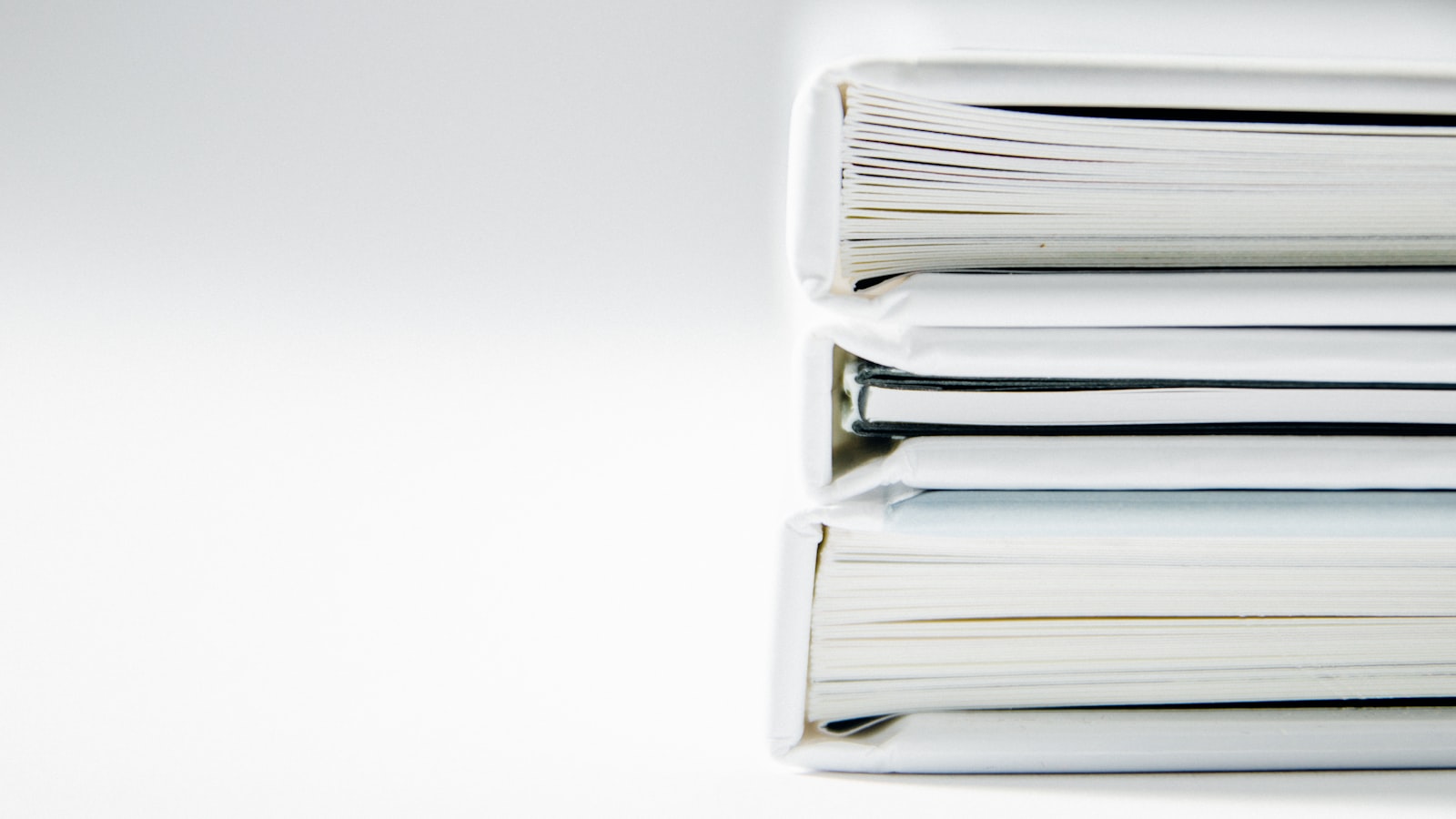
A booklet is the quiet workhorse of business collateral — a company profile, a product catalogue, a programme for an event, an onboarding pack, a sales explainer. Strong booklet design takes a stack of information and makes it easy to navigate, pleasant to hold and credible to hand over. This guide covers how we approach booklet design as a Singapore studio: choosing the right format and page count, the binding and paper that fit the job, and the production details that keep costs sensible without making the piece feel cheap.
What a booklet is good for
A booklet sits between a single-fold flyer and a full magazine. It is the right format when you have more than a few pages of content but do not need a bound book — typically 8 to 48 pages. Common B2B uses we see in Singapore:
- Company profiles handed out at tenders, meetings and trade shows.
- Product catalogues where buyers compare options across pages.
- Event programmes for conferences, AGMs and galas.
- Onboarding and HR packs that new staff actually read.
The format earns its keep when the content has a natural sequence — a story, a process, or a catalogue order the reader follows page by page.
Choosing format and page count
Format sets the personality and the cost. A few reliable choices:
- A4 portrait (210 × 297mm) — formal, fits standard folders and racks, good for profiles and catalogues.
- A5 portrait (148 × 210mm) — compact and handheld, ideal for programmes and pocket guides.
- Square (e.g. 210 × 210mm) — modern and design-forward, great for portfolios and lookbooks (note it uses paper less efficiently, so it can cost a little more).
Whatever the format, the page count must be a multiple of four — booklets are built from folded sheets, and for saddle-stitched work the cover plus inner pages always total a multiple of four. Plan the content to land on a clean boundary rather than padding with filler.
Binding that fits the job
For most booklets, saddle stitch — two or three staples through the folded spine — is the right call. It is economical, lies reasonably flat, and works well up to around 48–64 pages depending on paper weight. Beyond that, or where you want a printable spine and a more premium feel, move to perfect binding (a glued square spine).
One detail that catches people out on saddle-stitched booklets is creep: as pages nest inside each other, the innermost pages shift outward and are trimmed slightly narrower. We account for this in the layout so page numbers and edge content stay aligned across the whole booklet.
Paper and finish
Paper choice signals quality before anyone reads a word. The usual approach:
- Cover — 250–300gsm with a matt or soft-touch laminate for durability and a premium hand-feel; gloss laminate where you want photos to pop.
- Inner pages — 120–170gsm for a substantial, non-floppy feel; lighter 100–120gsm to keep postage and bulk down on higher page counts.
- Finish — spot UV or foil on the cover for a catalogue or premium profile; uncoated stock for a warmer, editorial booklet.
For booklets that get handled a lot — counter catalogues, training packs — a laminated cover is worth the small extra cost because it resists scuffs and fingerprints.
Layout that guides the reader
The design job is navigation. A booklet should be skimmable and orderly: a clear contents page if it runs long, consistent running heads or section markers, and a grid that keeps margins and image sizes coherent from page to page. We keep critical content clear of the spine and the trim, use white space deliberately rather than cramming, and design the cover to do one job well — make the right person pick it up.
Consistent design across a company’s booklets, profiles and catalogues is part of a wider system. We build that system through our branding and design service, and you can see print and brand pieces we have produced in our portfolio.
Preparing booklet files for print
To avoid surprises at the printer, build in the production basics from the start: 3mm bleed on all trimmed edges, CMYK colour, images at 300dpi at final size, and pages supplied in reader’s order as single pages (the printer imposes them into signatures). Always proof on the intended stock — colour and feel shift noticeably between coated and uncoated paper.
Frequently asked questions
What is the minimum page count for a booklet?
Eight pages is a practical minimum for something that reads as a booklet rather than a folded flyer (which is typically four to six panels). Page counts must be multiples of four for saddle stitch, so common sizes are 8, 12, 16, 20 and 24 pages.
Saddle stitch or perfect binding for a company profile?
If the profile is under about 48 pages and you want it economical and quick, saddle stitch is fine. If you want a printable spine, a thicker feel, or the piece will sit on a shelf, perfect binding looks and lasts better — worth the extra cost for a flagship profile.
How do we keep printing costs down?
Stick to a standard format (A4 or A5), keep the page count to an efficient multiple of four, choose sensible paper weights, and limit special finishes to the cover. Square and oversized formats and full-booklet spot finishes are where budgets quietly inflate.
Need a booklet, profile or catalogue? Tell us what you are producing and we will recommend the format, binding and paper to match your goal and budget.