Live streaming Singapore events has become a default expectation for businesses — a conference, AGM, product launch or hybrid town hall now reaches the people in the room and a much larger audience watching from their desks. But a professional stream is a world away from pointing a phone at a stage. It needs multiple cameras, clean audio, a switcher and, above all, a stable connection that won’t drop mid-keynote. This guide covers what a proper live streaming setup involves, the platform choices, the costs, and how to brief one so nothing goes dark on the day.
What a professional live stream actually involves
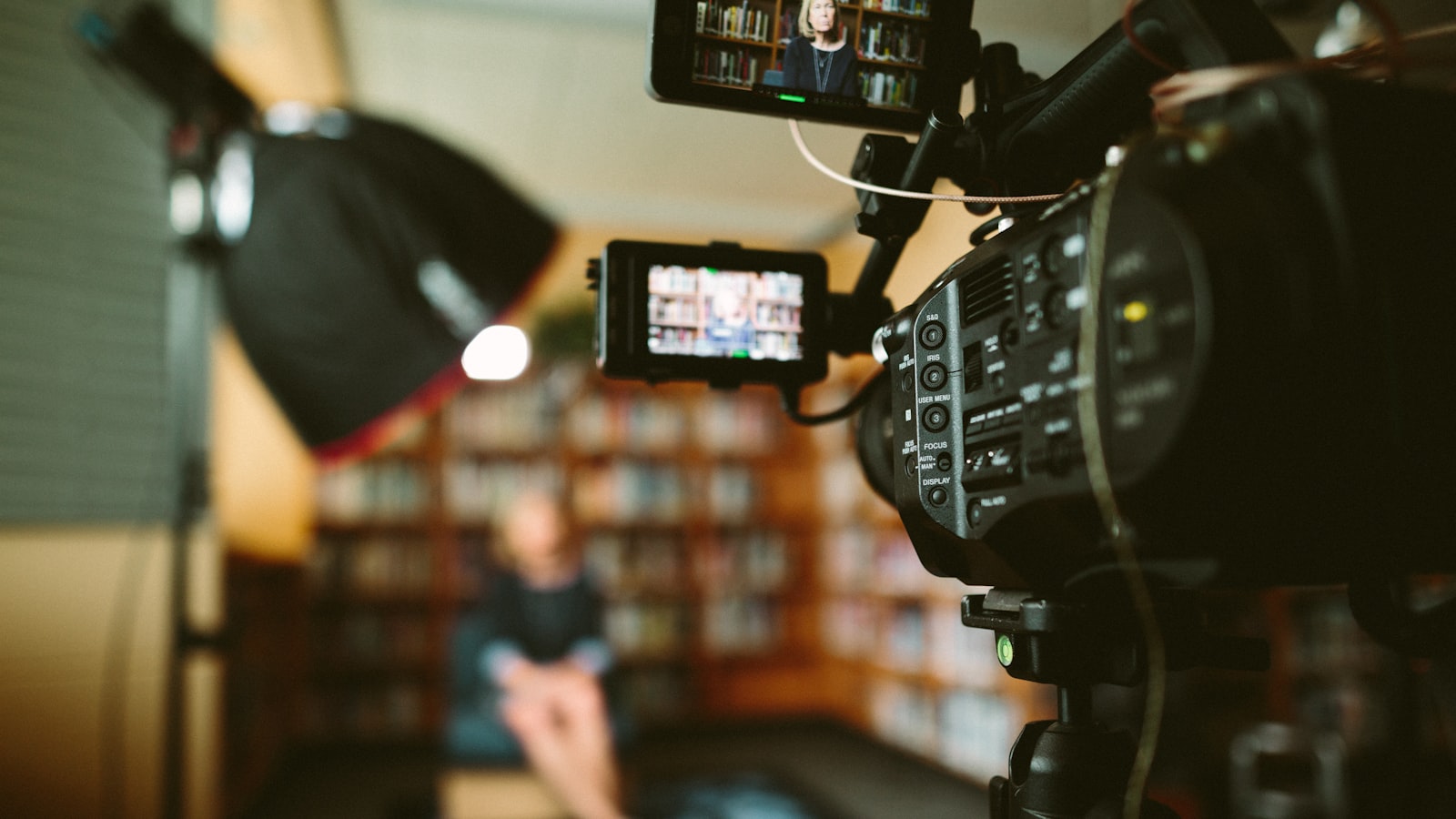
The reason live streaming looks deceptively simple is that all the hard work happens behind the scenes. A reliable broadcast typically includes:
- Multiple cameras — usually two to four, covering the stage, the speaker and the audience, cut live by a director.
- A vision mixer / switcher to cut between cameras, slides and lower-third graphics in real time.
- Dedicated audio — a feed from the venue’s sound desk, not an on-camera mic, so speakers are crisp.
- An encoder that compresses the signal and pushes it to the streaming platform.
- Redundant internet — a wired line plus a bonded 4G/5G backup, because venue Wi-Fi is the most common point of failure.
That redundancy is the difference between a stream that holds for three hours and one that buffers when it matters most. Professional live streaming Singapore crews build for failure so the audience never sees one.
Choosing the right platform
Where you stream depends on who’s watching and how controlled you need the experience to be.
Public platforms — YouTube, Facebook, LinkedIn Live
Free, familiar and great for reach. Ideal for launches, webinars and anything you want widely seen. LinkedIn Live works well for B2B audiences in Singapore; Facebook and YouTube suit broader consumer events.
Private and gated platforms
For internal town halls, AGMs or paid events, a private platform or a registration-gated stream keeps it confidential and lets you capture who attended. Useful when content is sensitive or restricted to staff and shareholders.
Hybrid event platforms
Purpose-built tools add live Q&A, polls, networking and analytics on top of the video. Worth it for large conferences where engagement and data matter.
Many events stream to more than one destination at once — public reach plus a private record. The right mix depends on the audience, not the technology.
The thing that breaks streams: connectivity
If one part of a live stream fails, it’s almost always the internet. Singapore venues vary wildly — a hotel ballroom may have congested shared Wi-Fi, while a corporate office has a solid wired line. The safeguards a professional crew puts in place:
- A dedicated wired connection where possible, separate from guest Wi-Fi.
- Bonded cellular backup that combines multiple SIMs and fails over automatically.
- A pre-event site recce and bandwidth test so surprises happen in rehearsal, not on air.
This is exactly why the cheapest option — one operator and a laptop on venue Wi-Fi — is a false economy for anything that matters. Our videography team treats connectivity planning as part of the brief, not an afterthought.
What live streaming typically costs in Singapore
Cost scales with camera count, crew size, platform and how much production polish you want. As a general guide:
- A single-camera stream with one operator and basic switching: often S$1,500–S$3,500.
- A multi-camera production with a switcher, graphics and audio feed: typically S$4,000–S$12,000.
- Large hybrid conferences with redundancy, multiple sessions and a hybrid platform: scoped individually, often higher.
These are typical ranges, not quotes. Internet redundancy, recording, and a clean edited version afterwards are the add-ons most worth budgeting for — the recording extends the value of a one-off event for months.
How to brief a live stream
Give the crew the run-of-show and the venue early. A strong brief covers the event date and full schedule, the venue (so a recce and bandwidth test can happen), the platform and audience, how many cameras and angles you want, whether you need live graphics, slides or Q&A, and whether you want a recording or edited highlights afterwards. Flag any speakers joining remotely — that adds a layer to the setup. Always plan a rehearsal; the few hours before doors open are when problems get solved. See examples in our portfolio.
Frequently asked questions
Can’t we just stream from a phone?
For a casual update, yes. For a business event with speakers, slides and an audience you care about, no — you’ll want multiple cameras, proper audio off the sound desk, and internet redundancy. A dropped or muffled stream does more brand damage than no stream at all.
What’s the most common reason streams fail?
Connectivity. Venue Wi-Fi gets congested and drops the feed. That’s why professional live streaming Singapore crews always use a dedicated wired line plus bonded cellular backup, tested before the event.
Which platform should we stream to?
It depends on the audience. LinkedIn Live and YouTube suit public B2B reach; a private or gated platform suits AGMs and internal town halls; hybrid event tools add Q&A and analytics for large conferences. Many events stream to several destinations at once.
Will we get a recording afterwards?
You should — and you should ask for it. The live audience is only part of the value; a clean recording plus short edited highlights lets you repurpose the event across your site, email and socials for months.
Got an event to broadcast? Tell us about it and we’ll design a stream that holds steady from the first speaker to the last.