Singapore does not have spring and autumn, but it has one of the richest cultural calendars in the world — and that calendar is a gift for any brand on social media. Seasonal social media done well makes your brand feel part of the moment people are already living, whether that is reunion dinner, the Hari Raya open house, or the year-end shopping rush. Done badly, it is a tone-deaf template with the wrong greeting bolted on. This guide maps Singapore’s real seasons and how to plan around them without falling into the generic trap.
Singapore’s social calendar, the real one
Forget the four Western seasons. Plan around the moments Singaporeans actually mark:
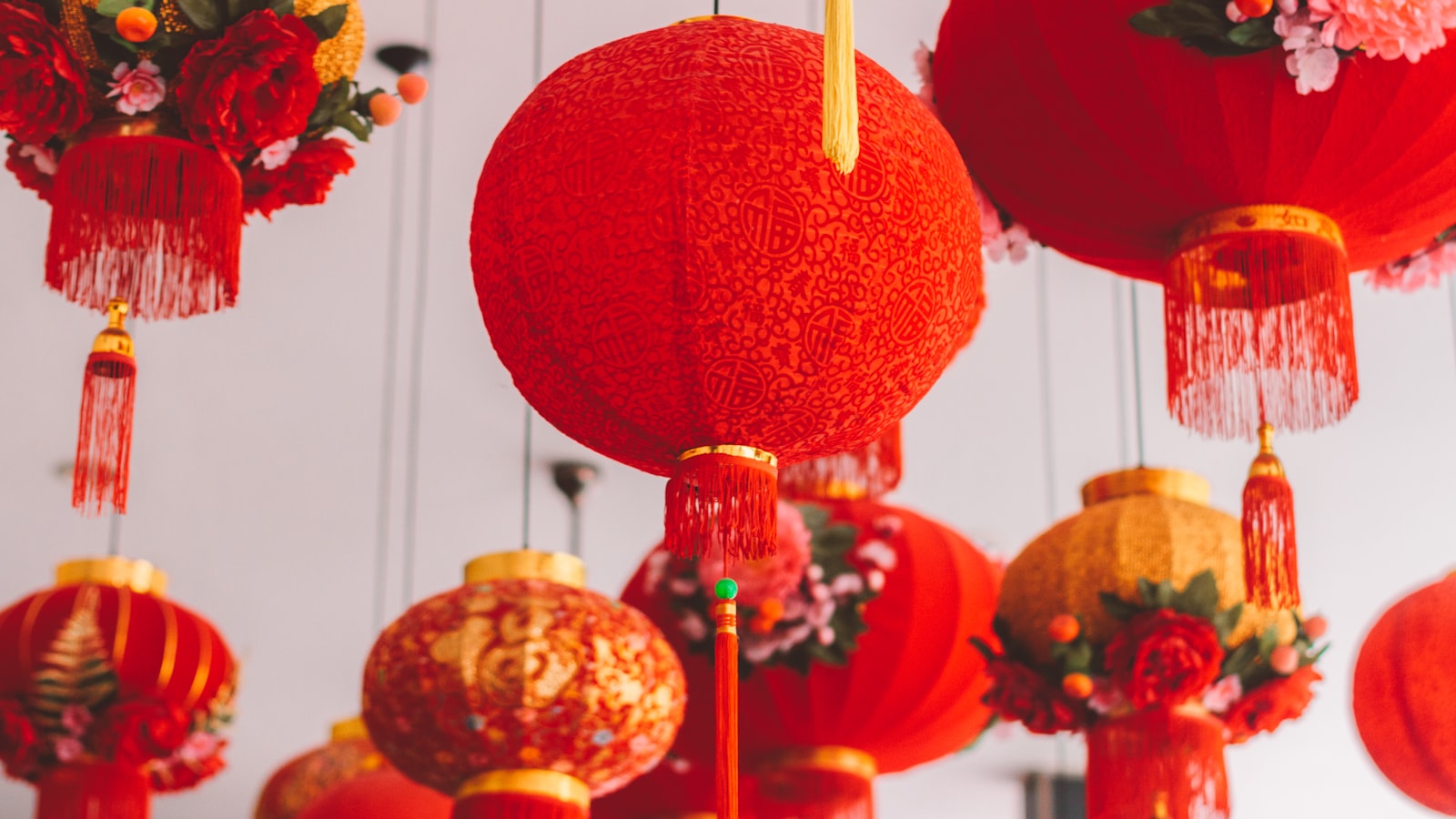
- Chinese New Year (Jan–Feb): reunion, gifting, ang bao, spring cleaning, visiting. A huge commercial window for F&B, retail and gifting brands.
- Hari Raya Puasa (after Ramadan): fasting, then open houses, new clothes, food and family. Ramadan itself is a quieter, reflective lead-up — match the mood.
- Deepavali (Oct–Nov): light, renewal, Little India’s glow, festive gatherings.
- National Day (9 August): a window of genuine national pride — but only if your contribution is sincere, not a flag slapped on a sale.
- Great Singapore Sale and mid-year (Jun–Jul): school holidays, travel, retail promotions.
- Year-end (Nov–Dec): Christmas, year-end bonuses, holidays, gifting and the Orchard Road lights.
There are also smaller, valuable moments: Mid-Autumn (mooncakes), back-to-school in January, and the bonus-and-AGM rhythm of corporate life. A good seasonal social media plan picks the few that genuinely fit your brand rather than chasing every one.
Respect the culture, or stay out
This is the part generic templates get wrong. Singapore’s festivals are not interchangeable backdrops — they carry real meaning to real communities. A few non-negotiables:
- Get the details right. The correct greeting, the right imagery, accurate dates. “Selamat Hari Raya” is not “Happy Chinese New Year” with new colours.
- Match the mood of the lead-up. Ramadan is reflective and about restraint; loud, salesy posts during the fast can jar. The celebration comes after.
- Avoid clumsy stereotypes. If your team is unsure, ask people from that community before you post.
- Earn the moment. A brand that genuinely serves a community can join its festival warmly. A brand reaching for relevance it has not earned looks opportunistic.
Singapore’s multicultural fluency means audiences notice the difference immediately. Sincerity is the whole game.
Planning your seasonal social media ahead
The brands that win at seasonal social media are not improvising in week one of CNY. They are planning in November. A workable approach:
- Map the year on one calendar with festival dates and your own commercial peaks.
- Pick your hero moments — the two or three seasons where your brand has a genuine role — and plan those properly.
- Brief and shoot early. Festive video and photography book out fast; planning a CNY shoot in December is far calmer than scrambling in January.
- Leave room for timely posts around the moment itself, when energy peaks.
Building that forward calendar — and producing the festive content to go with it — is exactly what our social media management team handles for clients, so the brand shows up prepared rather than panicked. The standard of that festive work is visible across our portfolio.
Seasonal content ideas that feel local
Beyond the obvious greeting post, the strongest seasonal social media is specific and human:
- Behind-the-scenes of how your team celebrates or prepares — open-house spreads, decorating the shop, the staff potluck.
- Genuinely useful seasonal guides — CNY gifting picks, Hari Raya outfit care, last-minute Deepavali ideas — that help, not just sell.
- User content from customers enjoying your product in the season, which doubles as social proof.
- Limited seasonal offers framed around the moment, where a promotion is appropriate.
The throughline is relevance to how Singaporeans actually experience the season, not a stock image with a greeting overlaid.
Don’t forget the non-festive seasons
Seasonal does not only mean festivals. Singapore’s year has other reliable rhythms: the monsoon and haze periods, school holidays and exam seasons, the F1 weekend, year-end travel, and the bonus cycle. A fitness brand can plan around new-year resolutions; a tuition centre around exam season; a travel brand around the December exodus. Reading your customers’ calendar — not just the public one — is what makes seasonal content land.
Frequently asked questions
How far ahead should I plan seasonal social media?
For major festivals, start six to eight weeks out, and earlier if a shoot is involved. Festive production slots fill quickly, and planning ahead means you can be thoughtful rather than reactive. Keep a little flexibility for timely, in-the-moment posts when the season peaks.
Should every brand post for every festival?
No. Post for the festivals where your brand has a genuine connection or your audience genuinely celebrates. Forcing relevance to a festival you have no real link to reads as opportunistic. It is better to do two or three seasons sincerely than to greet every one generically.
How do I avoid being tone-deaf around cultural festivals?
Get the details right, match the mood of the lead-up, avoid stereotypes, and — when in doubt — check with people from that community before posting. Singapore audiences are quick to spot effort versus a copy-paste greeting, so sincerity and accuracy matter more than polish.
Can seasonal posts work without a big budget?
Absolutely. Authentic behind-the-scenes content, customer stories and genuinely helpful seasonal tips often outperform expensive productions because they feel real. A warm, well-timed phone-shot clip can beat a polished but generic festive ad.
Want to be ready for every season that matters? Tell us about your brand and we’ll map a seasonal plan around Singapore’s real calendar.