Retail in Singapore lives in two worlds at once — the physical shop in the mall or heartland, and the online store on Shopee, Lazada or your own site. Retail social media has to serve both, driving people through the door and into the cart from the same content. With rents high and competition a few clicks away, getting this right is no longer optional. This guide covers how Singapore retail brands use social to build desire, move stock and bring shoppers in, online and off.
The omnichannel reality
The old split between “online” and “offline” retail has collapsed. A shopper sees a product on TikTok, checks reviews on Shopee, then comes to the store to try it — or browses in-store and buys online later. Your social media has to work for this messy, blended journey rather than push one channel.
In practice that means content that does double duty: a product video that works whether the viewer ends up buying online or visiting the shop, and clear signposting to both options. The brands that win make it easy to buy whichever way the customer prefers, and use social as the connective tissue between the two.
Retail social media content that moves product
Retail content has to do more than look nice — it has to create desire and a reason to act:
- Product drops and new arrivals. A regular cadence of “just in” content gives followers a reason to keep checking back and creates urgency around limited stock.
- Styling and use. Show the product in context — outfits styled, the homeware in a real room, the gadget in use. Context sells better than a flat product shot.
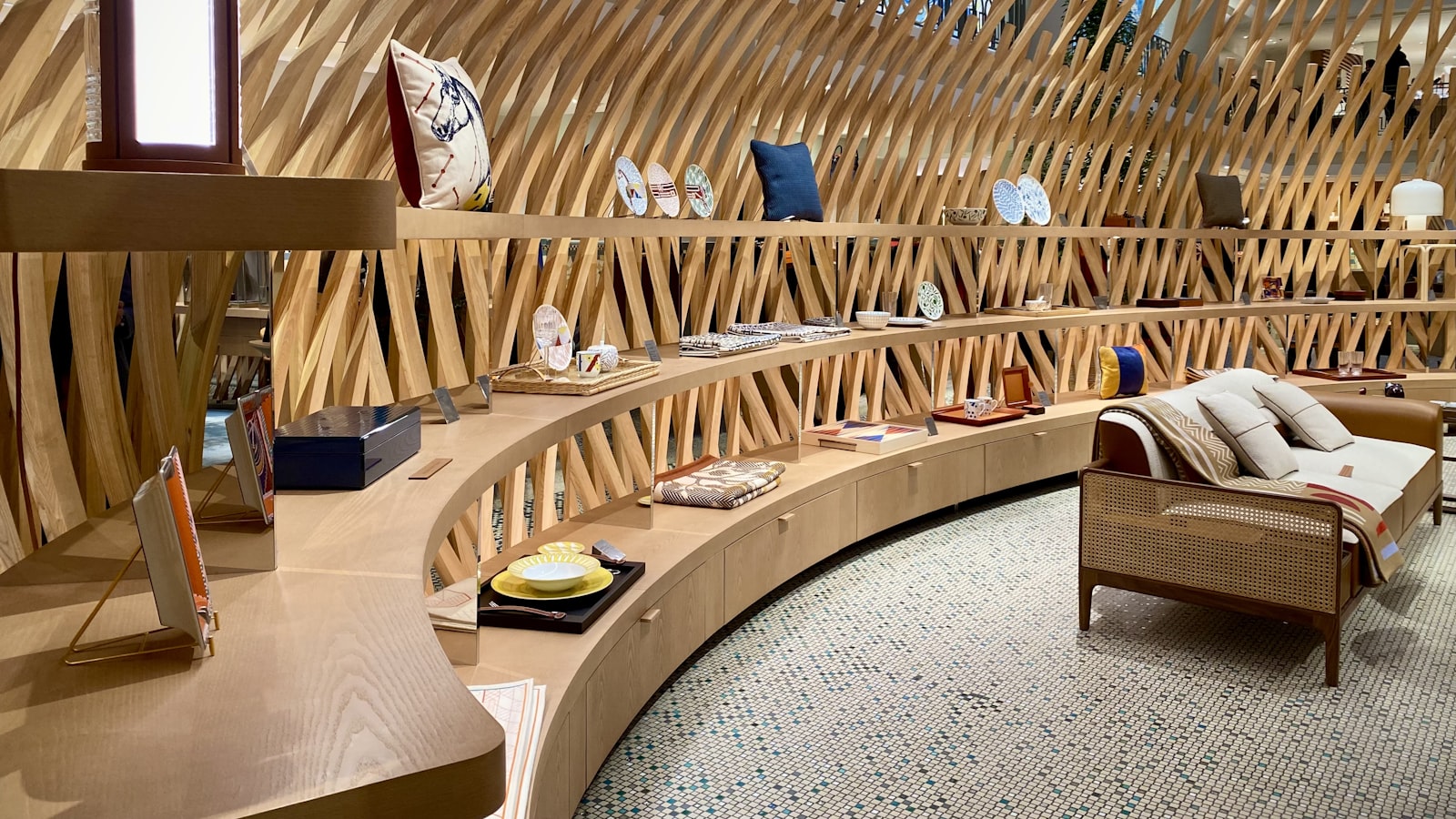
- The in-store experience. The window display, the new collection on the shelves, the atmosphere — give people a reason to visit, not just scroll.
- User content and reviews. Real customers with your product is the most persuasive proof, and it costs nothing to reshare.
- Behind-the-brand. How products are sourced or made, the people behind the shop — the story that separates you from a faceless marketplace seller.
The strongest retail social media mixes desire-building lifestyle content with clear, shoppable product content, so you are both wanted and easy to buy from.
Driving footfall to physical stores
For brands with a shopfront, social is one of your best footfall tools — if you use it to bring people in:
- Promote in-store-only reasons to visit — exclusive items, in-store events, try-before-you-buy, a launch.
- Use location-aware content. Tag your location, post in local and neighbourhood contexts, and lean on Google Business Profile, which many shoppers check before visiting a mall or heartland store.
- Create urgency around timing — weekend drops, limited-run pieces, opening hours for a sale.
- Show the experience so people know visiting is worth the trip, not just a click they could do from the sofa.
Singapore’s mall and heartland retail thrives on footfall, and a well-run social account turns scrollers into walk-ins.
Driving online sales
For the online side, social should funnel cleanly to where people buy:
- Make products shoppable via Instagram Shopping and TikTok, and link clearly to Shopee, Lazada or your own store.
- Lean into platform commerce. Shopee and Lazada live selling, campaign days (the big mid-year and year-end sales) and vouchers are part of the social mix here.
- Retarget browsers. The people who watched a product video but did not buy are your warmest paid audience.
- Time campaigns to the calendar — the Great Singapore Sale, 9.9, 11.11, 12.12 and year-end are predictable peaks worth planning content around.
Coordinating this across organic content, shoppable tools and seasonal campaigns is exactly what our social media management service handles for retail brands, so the calendar runs itself. You can see the production quality across our portfolio.
Seasonal peaks retail can’t miss
Singapore retail runs on a calendar of reliable spikes — Chinese New Year, Hari Raya, the Great Singapore Sale, the big online sale days, and the year-end gifting season. Planning your content and stock-promotion around these well in advance is the difference between riding the wave and missing it. The brands that prepare their festive and sale content weeks ahead consistently out-sell the ones scrambling at the last minute.
Frequently asked questions
How do I use social media to drive store footfall?
Give people in-store-only reasons to visit — exclusive items, events, launches — use location tags and a strong Google Business Profile, and create urgency around timing. Show the in-store experience so a visit feels worth the trip rather than something they could do online from home.
Should I focus on online or physical sales?
Increasingly, both at once. Shoppers move fluidly between seeing a product on social, checking it on Shopee or Lazada, and visiting the store. Make it easy to buy whichever way they prefer, and use social as the link between your channels rather than pushing only one.
What content sells products best?
A mix of desire-building lifestyle content — styling, products in real use — and clear, shoppable product content with new-arrival drops to create urgency. Real customer content and reviews add persuasive proof. The aim is to be both wanted and effortless to buy from.
When should retail brands plan campaigns?
Around Singapore’s reliable peaks — Chinese New Year, Hari Raya, the Great Singapore Sale, the big online sale days like 9.9 and 11.11, and year-end gifting. Prepare festive and sale content weeks ahead; brands that plan early consistently out-sell those that scramble.
Want more shoppers, online and in-store? Tell us about your retail brand and we’ll build content that drives footfall and sales.