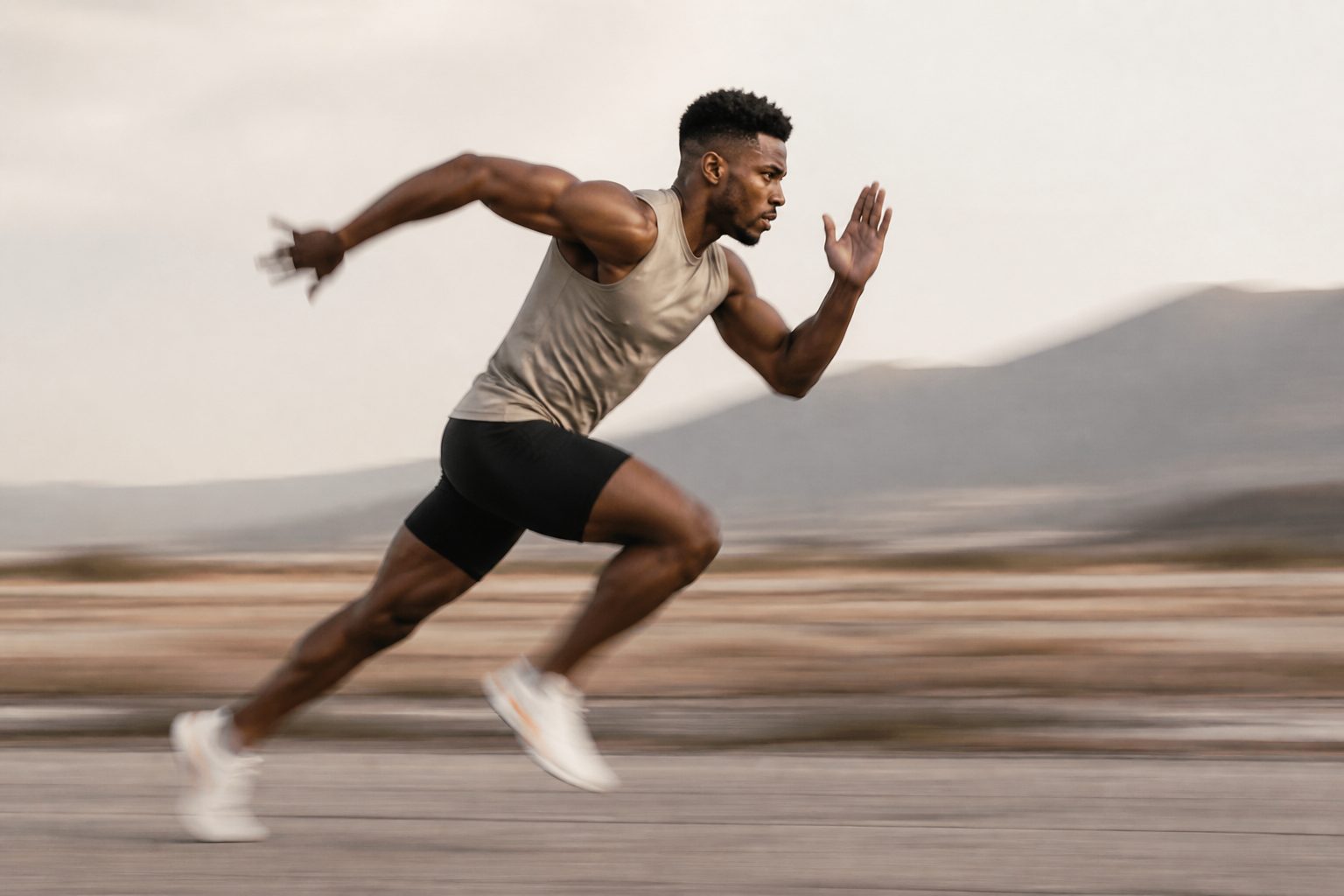
Sports videography lives or dies on a fraction of a second — the moment the bar locks out, the foot plants, the ball leaves the boot. Everything else is set-up. Unlike a corporate shoot where you can ask for another take, the action happens once, at full intensity, and the camera has to be ready for it. That is what makes filming athletes and sport its own craft: it demands faster glass, higher frame rates, more cameras and a crew that understands the sport well enough to anticipate the moment rather than chase it. Done right, the result carries the sweat, speed and effort that a static highlight reel never will.
What sports videography is for
Before the gear, the purpose. Most sports videography in Singapore falls into a few buckets, and each shapes the shoot.
- Athlete personal brand and sponsorship reels: a tightly cut showcase an athlete uses to attract or service sponsors, grow a following, and build a profile beyond their results. This is increasingly how athletes earn.
- Gym, academy and facility promos: content that sells the energy of a place — a CrossFit box, a Muay Thai gym, a training academy — to prospective members.
- Brand and product campaigns: sportswear, supplements and equipment brands that need the intensity aesthetic to sell.
- Event and competition coverage: capturing a meet, a fight night or a tournament, often multi-cam and fast-turnaround.
An athlete reel and a gym promo are filmed differently, so settling the purpose first is what keeps the shoot focused.
High frame rate: where the drama lives
Slow motion is the signature of sports video, and it is not a post-production gimmick — it has to be captured in-camera at a high frame rate. Filming at 120fps, 240fps or higher and playing it back at normal speed stretches a half-second of effort into a held, cinematic beat: the ripple of muscle, the spray of sweat, the chalk cloud off a deadlift. That is where the emotion and intensity live.
The trade-offs are real and worth planning around. High frame rates demand a lot of light, so either bright conditions or serious lighting; they fix or limit your shutter and motion-blur options; and they generate enormous files. The skill is choosing which moments deserve the slow-motion treatment and which play better at real speed — a reel that is all slow-mo loses its punch as surely as one with none.
Multi-cam, drone and the rest of the kit
Because the action happens once, covering it from a single angle is a gamble. Serious sports work leans on several tools together.
- Multi-camera coverage: a wide to establish, a tight to catch the face and effort, and often a third on a gimbal moving with the athlete. Multiple angles of the same rep give the edit rhythm and let you cut on the beat.
- Gimbals and movement: a stabilised camera tracking a sprinter or circling a lifter adds the dynamism that a locked-off tripod cannot.
- Drone: for outdoor sport — running, cycling, football, watersports — an aerial pull-back establishes scale and the environment. Singapore’s airspace is heavily regulated, so drone work needs CAAS permits and zone checks in advance, and a competent crew clears that before promising aerials.
- Fast glass and high shutter: to freeze a fast-moving subject sharply in the frame when you want crisp, not blurred, action.
Shooting in Singapore’s sports spaces
Where you film shapes what you can do, and access is the quiet hurdle. Commercial gyms and academies are usually the easiest — they often want the content too — though you will work around members and tight, low-ceilinged rooms that need lighting. SportSG and ActiveSG facilities — stadiums, tracks, sports halls, pools — typically require booking and permission to film, and rules vary by venue, so it pays to arrange access early rather than turn up with a crew. Outdoor and public spaces bring their own constraints, from drone no-fly zones to permits for larger set-ups. The tropical reality matters too: shoot early morning or late afternoon to dodge the harshest light and the worst heat, and always have a wet-weather plan.
The edit is half the film
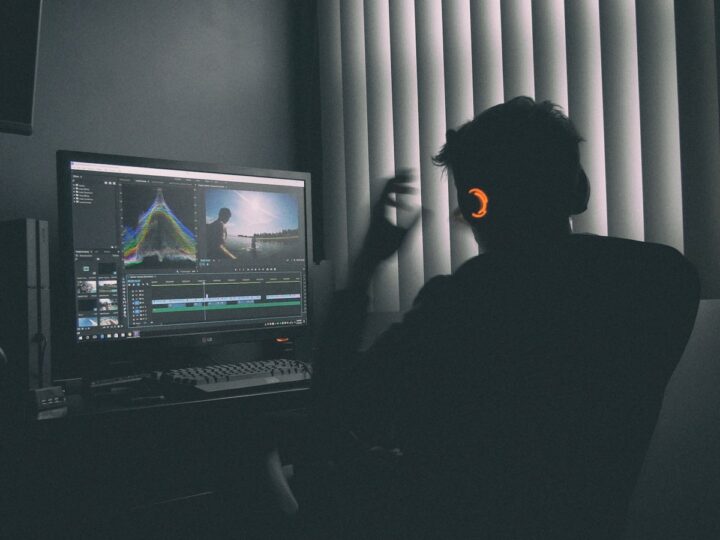
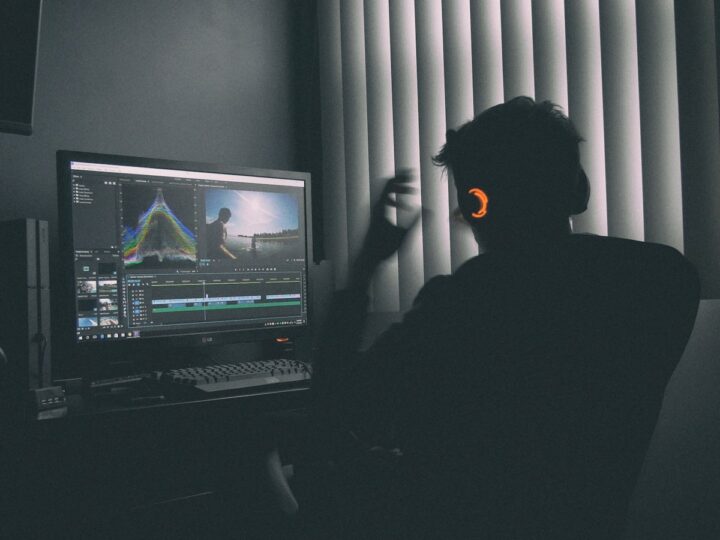
A sports video is made in the cut as much as on the shoot. The intensity aesthetic comes from music sync — cutting the action to the beat so a lift lands on the drop — sharp, punchy transitions, a contrasty grade that deepens shadows and makes sweat catch the light, and a deliberate rhythm of fast real-time bursts against held slow-motion. Sound design earns its place too: the clang of a plate, the thud of a heavy bag, a breath. Pace and music are what separate a reel that gives you goosebumps from a sequence of nice clips. You can see how we handle dynamic, fast-cut work across our portfolio, and our videography service covers the full chain from multi-cam shoot to music-synced edit.
Frequently asked questions
Do I need high-speed cameras for slow motion?
For the cinematic slow-motion that defines sports videography, yes — it has to be captured in-camera at a high frame rate, commonly 120fps and up, not slowed down afterwards, which only produces stutter. The trade-off is that high frame rates need plenty of light, so the shoot is planned around bright conditions or proper lighting. A good crew picks which moments warrant slow-mo and shoots the rest at real speed.
Can you film with a drone at a stadium or outdoor pitch?
Sometimes, but never assume it. Singapore’s airspace is tightly controlled, large areas are restricted or no-fly, and drone operations may need CAAS permits depending on weight and location. On top of that, the venue — a SportSG facility, for instance — must give its own consent to film. A reputable crew checks the zones and clears permits ahead of the shoot, and uses ground-based movement where flying isn’t permitted.
How long should an athlete sponsorship reel be?
Usually short and dense — often around 60 to 90 seconds for a hero reel, with shorter vertical cuts for Instagram and TikTok. Sponsors and followers decide in the first few seconds, so the strongest, most intense moment goes near the front. We typically deliver a main edit plus several social-ready vertical versions from the same shoot.
Want footage that carries the intensity? Tell us about your sport and we’ll plan a multi-cam shoot and edit built around your best moments.