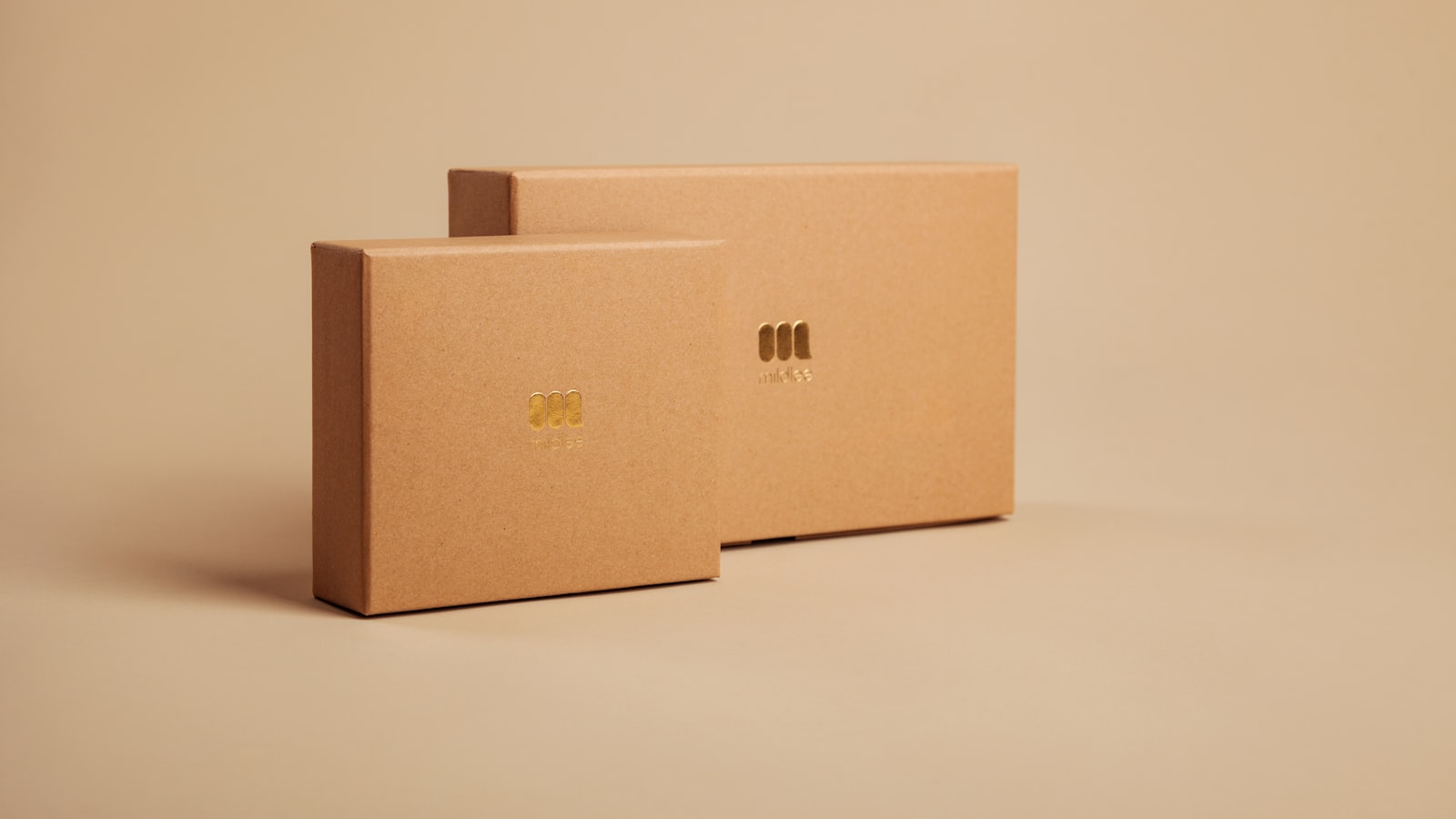
Sustainable packaging sits at the centre of how customers judge a brand’s environmental sincerity. It is the most physical, most frequent point of contact between a product and a buyer, and increasingly the thing they scrutinise. Done well, it protects the product, expresses the brand and minimises environmental harm. Done as a gesture, it becomes a green-coloured box that quietly fails on the substance. This guide explains how to design packaging that is genuinely more sustainable, not just dressed to look it.
The three jobs packaging must balance
Sustainable packaging is a balancing act between three demands that sometimes pull against each other:
- Protection — the packaging has to do its actual job; damaged goods that get returned or rebought are the least sustainable outcome of all.
- Brand — it has to express the brand and create the unboxing experience customers expect.
- Environment — it has to minimise material, maximise recyclability or reuse, and avoid harmful production.
The trap is sacrificing one for another — over-engineering protection into excess material, or stripping out so much that products arrive damaged. Good sustainable packaging design finds the point where all three are honoured.
Reduce first: the most effective lever
Before choosing greener materials, the biggest win is usually using less. Right-sizing packaging to the product eliminates wasted material and shipping volume. Removing unnecessary layers, void fill and secondary packaging cuts impact directly. Designing structures that protect with less material — through clever folding and engineering rather than bulk — reduces both cost and footprint at once.
This is where structural design earns its keep. A well-engineered package can protect a product with less material than a poorly considered one, making reduction and protection allies rather than opponents.
Material choices that genuinely matter
When material is needed, the choices have real consequences:
- Mono-materials — packaging made from a single recyclable material is far easier to recycle than fused mixtures of plastic, foil and paper.
- Recycled and responsibly sourced content — recycled board and certified paper reduce demand for virgin material.
- Recyclability in practice — choosing materials that customers can actually recycle through available systems, not just in theory.
- Reusable and refillable formats — designs that earn a second life avoid the disposal question altogether.
- Finishes — avoiding laminates, foils and certain coatings that contaminate recycling streams.
Compostable materials can play a role, but only where the customer genuinely has access to composting; otherwise a “compostable” pack ends up in landfill no better than anything else. Honest material choices work backwards from real-world disposal. We build these considerations into our branding and design process.
Designing the brand experience sustainably
Sustainability does not have to mean dull, brown and apologetic. Some of the most striking packaging is also the most restrained — uncoated stocks, clean single-colour printing, structural cleverness instead of plastic embellishment. The constraint can sharpen the design, producing packaging that feels honest and considered rather than over-produced.
The unboxing experience can still be memorable: through thoughtful structure, tactile uncoated materials, and printing that uses cleaner inks. Sustainable packaging that looks deliberately premium signals a brand that has made real choices, which resonates more than a glossy box covered in eco claims.
Communicating without greenwashing
Packaging is a prime site for greenwashing, because it is so visible. The temptation to slap on leaf icons, earthy tones and vague “eco-friendly” claims is strong, and the risk is real: customers and regulators increasingly call it out. The honest approach is to state specific, verifiable facts — what the material is, how to recycle or reuse it, what genuine choices were made — rather than implying credentials through styling alone.
Clear disposal guidance is part of the package’s job: telling the customer plainly how to recycle, refill or compost it so the sustainability claim translates into actual behaviour.
Sustainable packaging in Singapore
For Singapore brands, sustainable packaging is rising up the agenda as consumers grow more discerning and national policy pushes toward reducing waste and improving recyclability. Local realities matter: what can actually be recycled here, how products are shipped and stored in a humid climate, and how to balance e-commerce protection with material reduction. Designing for these specifics — rather than copying overseas claims — is what makes packaging credible. You can see how we approach packaging and brand work across our portfolio.
Frequently asked questions
What makes packaging genuinely sustainable?
Using less material in the first place, choosing recyclable single materials or reusable formats, avoiding finishes that prevent recycling, and ensuring it can actually be recycled or reused through the systems customers have. Genuine sustainability is about real material and structural choices, not green styling.
Is compostable packaging always the best option?
Only where customers can actually compost it. If there is no access to composting, a compostable pack ends up in landfill like anything else. Often a recyclable mono-material or a reusable format delivers a better real-world outcome. The right choice depends on what disposal options the customer genuinely has.
Can sustainable packaging still look premium?
Yes. Uncoated stocks, clean printing and clever structural design can feel more considered and honest than a glossy, over-produced box. Restraint often reads as premium, and packaging that visibly makes real choices resonates more than one covered in eco claims.
Rethinking your packaging? Tell us about your project and we will help you design packaging that protects, sells and genuinely reduces impact.