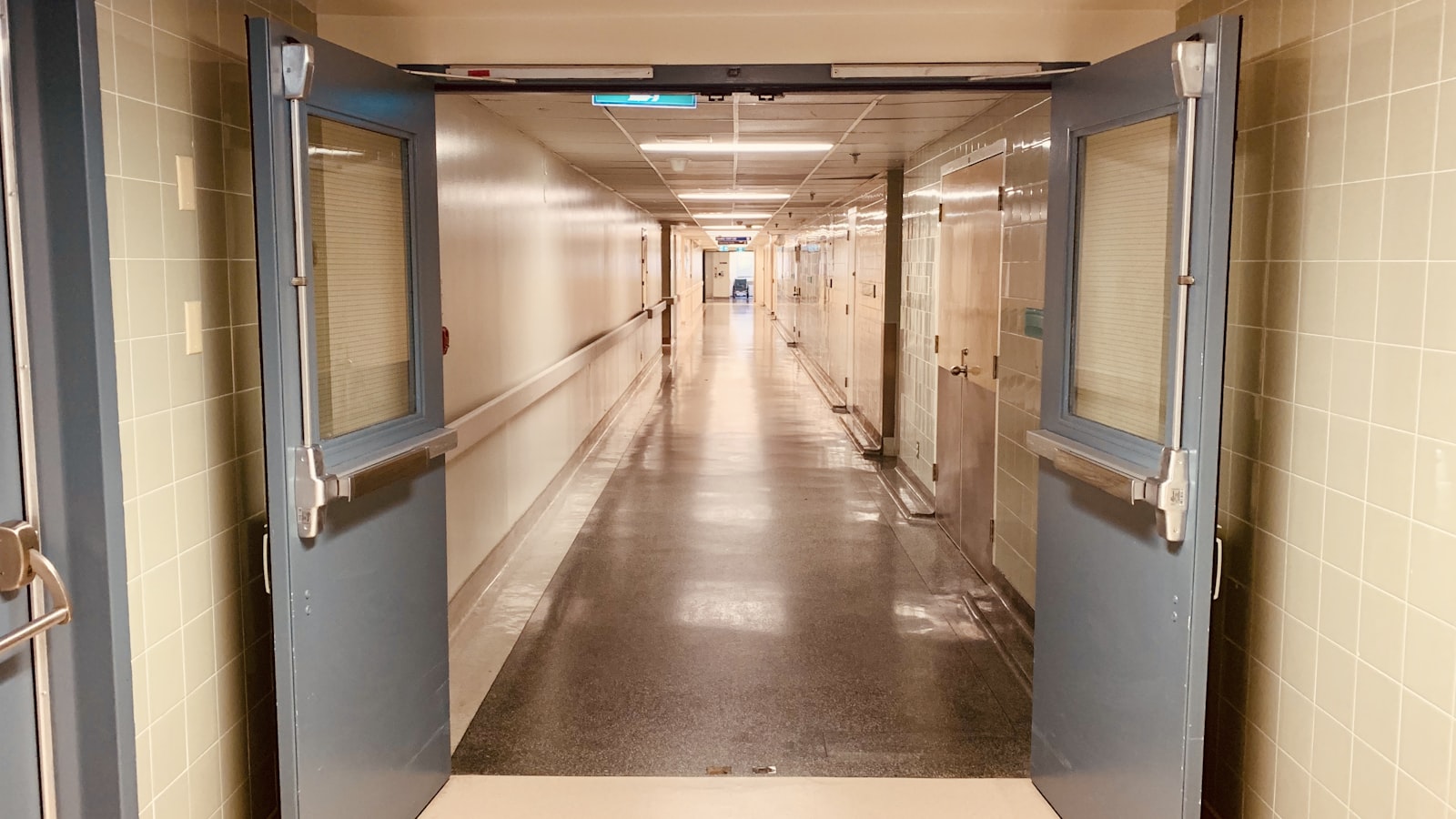
Few sectors demand more care behind the camera than medicine. Healthcare videography in Singapore sits at the meeting point of patient privacy, clinical safety, and strict advertising rules — get any of them wrong and a well-meant film becomes a liability. Done properly, though, video is one of the most powerful tools a hospital, specialist centre, or medical group has: it explains complex care plainly, introduces the people behind the white coats, and builds the trust that patients act on. This guide is for healthcare marketers and clinic managers who need work that is both compelling and compliant.
What makes healthcare videography different
In most sectors the worst outcome of a shoot is a dull video. In healthcare it can be a privacy breach, a contamination risk, or a regulatory complaint. That changes how you plan everything — who’s in frame, where the camera goes, what claims the script can make. Healthcare videography is as much about discipline and discretion as it is about craft.
It also rewards a different tone. Patients researching a diagnosis or a procedure are often anxious. Hype and hard-sell read as untrustworthy; calm, clear, factual content reassures. The goal is to lower fear and raise understanding, not to dazzle.
Patient privacy and PDPA consent
Patients have a strong expectation of confidentiality, and the Personal Data Protection Act treats a recognisable patient as personal data. You cannot simply film in a live clinical area and sort it out later.
- Written consent before filming. Anyone identifiable on camera — patient, family member, or visitor — should sign a release that explains where the footage will be used and for how long. For patient-education or testimonial-style content, this is non-negotiable.
- Mind the background. Privacy breaches usually happen by accident: a name on a whiteboard, a chart left open, a face reflected in a monitor, a label on a sample. The crew should sweep every frame for protected health information before rolling.
- Use staff or actors where possible. For demonstrations, consenting staff or engaged talent remove the consent risk entirely while still looking authentic.
- Secure the footage. Raw material containing patient data should be handled and stored carefully, with a clear deletion timeline.
Filming safely in clinical environments
A hospital or specialist clinic is a working medical space, and the camera is a guest. Infection control and clinical workflow come first, always.
Sterile and restricted zones
Operating theatres, treatment rooms, and sterile fields have strict access and gowning requirements. Crew may need to scrub in, wear PPE, or shoot from a designated boundary — or the scene may need to be staged in a non-clinical area instead. This is decided with the clinical lead, not the camera team.
Working around real care
Patient care never pauses for a shot. That means lean crews, quiet kit, fast setups, and a willingness to abandon a planned shot if a clinical need arises. A producer who has worked in healthcare settings is worth their fee here.
Equipment hygiene
Cables, tripods, and cases all carry risk in clinical zones. Wiping down gear, keeping it off sterile surfaces, and following the facility’s protocols are part of the job, not an afterthought.
Staying within MOH advertising rules
Healthcare advertising in Singapore is regulated, and the rules shape what your video can say. The detail is for your compliance team and the current Ministry of Health guidelines, but the working principles are clear:
- Be factual, not promotional. Content should inform rather than solicit. Sensational claims, comparisons that imply superiority, and language that creates unjustified expectations are problem areas.
- Be careful with outcomes and testimonials. Patient testimonials about treatment results and any guarantee of success are tightly restricted. Don’t build a campaign around “look at these amazing results”.
- No inducement. Offering incentives to attract patients for medical services is not permitted.
- Stay in scope. Promote only services the institution and its practitioners are accredited to provide.
The reassuring news is that the most effective healthcare content — clear explanations, credible clinicians, honest facility tours — is also the most compliant. You rarely have to choose between persuasive and permissible.
Healthcare video formats worth producing
A medical organisation usually needs a small library, each piece serving a clear audience.
- Specialist and doctor profiles: short films that introduce a clinician’s background and approach, helping anxious patients choose with confidence.
- Patient-education explainers: calm, accurate walk-throughs of a condition, procedure, or what to expect on the day — the content patients search for most.
- Facility and service tours: a guided look at the centre that orients new patients and reduces day-one anxiety.
- Recruitment and employer-brand films: healthcare is a tight labour market, and authentic films of the team help attract nurses, allied-health staff, and doctors.
- Corporate and CSR content: for hospital groups communicating with partners, donors, and the wider community.
Our videography service handles each of these with crews briefed on clinical etiquette, and you can see our broader approach to trust-led content in our portfolio.
Setting the right tone
The hardest part of healthcare videography isn’t technical — it’s tonal. The work has to feel warm without being saccharine, authoritative without being cold, and honest without being clinical to the point of fear. Natural light, real spaces, unhurried pacing, and clinicians speaking in plain language usually beat slick, over-produced films. When in doubt, choose reassurance over polish.
Frequently asked questions
Can we show real patients in a healthcare video?
Only with proper, informed written consent that covers how and where the footage will be used. Even then, you must keep all other patients and their data out of frame. Many organisations prefer to use consenting staff or actors for demonstrations to avoid the risk entirely.
Are patient testimonials allowed in Singapore healthcare advertising?
Testimonials about treatment outcomes and any claims that guarantee results are tightly restricted under MOH guidelines. It’s safest to keep content factual and educational, and to clear any patient-voice content with your compliance team before publishing.
How do you film in a hospital without disrupting care?
With small crews, quiet equipment, careful scheduling around clinical activity, and full respect for infection-control and access rules. Patient care always takes priority, so we plan flexible shot lists and work closely with the clinical lead on the day.
Planning healthcare content that’s both credible and compliant? Tell us about your organisation and we’ll shape a video plan that builds trust the right way.