In hospitality, the brand isn’t a logo on a key card — it’s a promise that a guest experiences, in full, from the moment they search for you to the moment they check out and review you. Hospitality branding is the work of making that promise clear, distinctive and consistent across every one of those touchpoints. In a city as saturated with hotels, restaurants and stays as Singapore, the brands that win are the ones where the experience reliably matches the expectation. This guide explains how that’s built.
A hospitality brand is a promise you keep, not a look you wear
Most branding shapes a perception before a purchase. Hospitality branding has to survive contact with reality, because the guest doesn’t just see the brand — they sleep in it, eat in it and are served by it. That makes hospitality unusually unforgiving. A gorgeous identity attached to a grumpy front desk or a tired room doesn’t read as a branding problem to the guest; it reads as the brand lying.
So the first principle is alignment: the promise your marketing makes has to be one your operation can actually deliver, every shift, by people who may never have read the brand guidelines. The brand lives in behaviour as much as design.
The components of a hospitality brand
Hospitality branding is broader and more sensory than most categories. The main pieces:
- Name and visual identity: the logo, colour and typography, applied across signage, collateral, menus, key cards, amenities and uniforms.
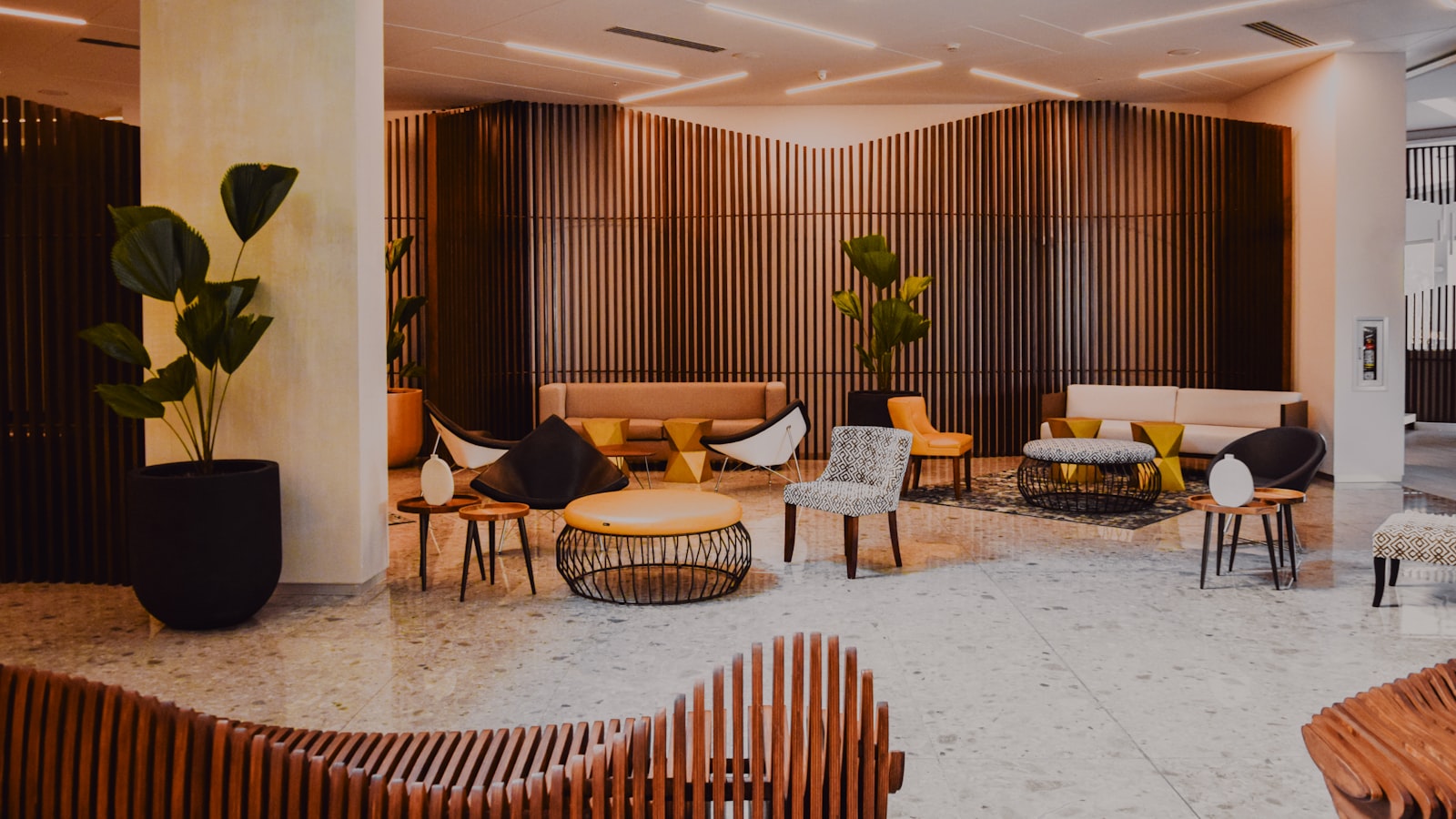
- The physical experience: interior design, lighting, wayfinding and the overall atmosphere of the space.
- Sensory cues: scent, music and even the feel of materials — in hospitality these are part of the brand, not decoration.
- The digital front door: your website and booking flow, plus how you appear on OTAs like Booking.com and Agoda, on Google and on social.
- Service and people: tone of voice in person, the standard of service, how staff are trained to embody the brand.
The discipline that holds all of this together is a clear identity system and guidelines, which is the foundation of any branding and design engagement. Without it, a hotel ends up with three versions of its logo and a website that feels like a different property than the lobby.
The review economy: where hospitality brands are won and lost
No category is as publicly and continuously judged as hospitality. Every guest is a critic with a phone, and their verdict — on Google, TripAdvisor or the OTA that booked them — becomes part of your brand whether you like it or not. This reshapes how hospitality branding works.
Reviews and user photos are now the most influential brand asset you have, and you don’t fully control them. What you can do is make sure the branded experience is so consistent that the reviews reinforce the promise rather than contradict it. Two practical implications:
- The booking touchpoints have to be on-brand. Most guests meet you first on an OTA listing or a Google profile, not your website. Strong photography and a coherent listing do real persuasive work here.
- The gap between marketing and reality is brutal. Over-polished imagery that the actual stay can’t match generates disappointment, and disappointment becomes a one-star review. Promise what you can deliver.
Boutique character versus chain consistency
Two strategies dominate hospitality, and they brand very differently. A boutique property competes on distinctive character — a strong point of view, a sense of place, a personality you can’t find elsewhere. Its branding can be expressive and unconventional because individuality is the product.
A chain or group competes on reliable consistency — a guest in any location should get the same recognisable experience. Its branding leans on rigorous standards and systems so that the brand feels identical across properties and shifts. Most operators sit somewhere on this spectrum, and knowing where you sit should drive every branding decision. Trying to be both — quirky and uniform at once — usually produces something that’s neither.
Building a hospitality brand in Singapore
Singapore’s hospitality market is dense and discerning, spanning international business travellers, regional tourists and a local crowd that treats staycations and dining as a sport. That diversity rewards clarity: a brand that knows exactly who it’s for and what feeling it leaves people with beats one trying to please everyone.
Start with the experience you intend to deliver, define the brand around that, then build the identity system and apply it consistently from the OTA listing to the welcome amenity. Keep your visual content working hard too — in hospitality the photography and video often do the booking, which is why design frequently runs alongside photography and content. You can see how a coherent identity carries across hospitality and lifestyle projects in our work portfolio.
Common pitfalls to avoid
- Over-promising: marketing that the actual stay can’t live up to, which turns guests into critics.
- Inconsistency across touchpoints: a refined website and a neglected OTA listing, or a beautiful lobby and an indifferent check-in.
- Ignoring the staff: spending on visuals while service contradicts the brand the guest was sold.
- Generic positioning: blending into a crowded market because the brand stands for nothing in particular.
Frequently asked questions
What’s the difference between hospitality branding and interior design?
Interior design is one expression of the brand — the physical space. Hospitality branding is the bigger picture: the space plus the identity, the digital and booking touchpoints, the sensory cues and, crucially, the service. The interior brings the brand to life in three dimensions, but it isn’t the whole brand, and a stunning space let down by poor service still fails the guest.
How important are online reviews to a hospitality brand?
Extremely. For most travellers, reviews and guest photos are now the deciding factor, and they effectively co-author your brand. You can’t control them directly, but a consistent, honestly represented experience makes reviews work for you rather than against you. Managing the brand and managing the guest experience have become the same job.
Does a small café or single property need formal branding?
Yes — arguably more, because character is how a small operator competes with bigger names. A clear identity and a distinctive, well-delivered experience build the loyalty and word of mouth that a single property lives on. It needn’t be expensive; it needs to be coherent and genuinely felt by the guest.
Building or refreshing a hospitality brand? We align identity, space and digital into one promise your guests actually experience. Explore our branding and design work, then tell us about your project.