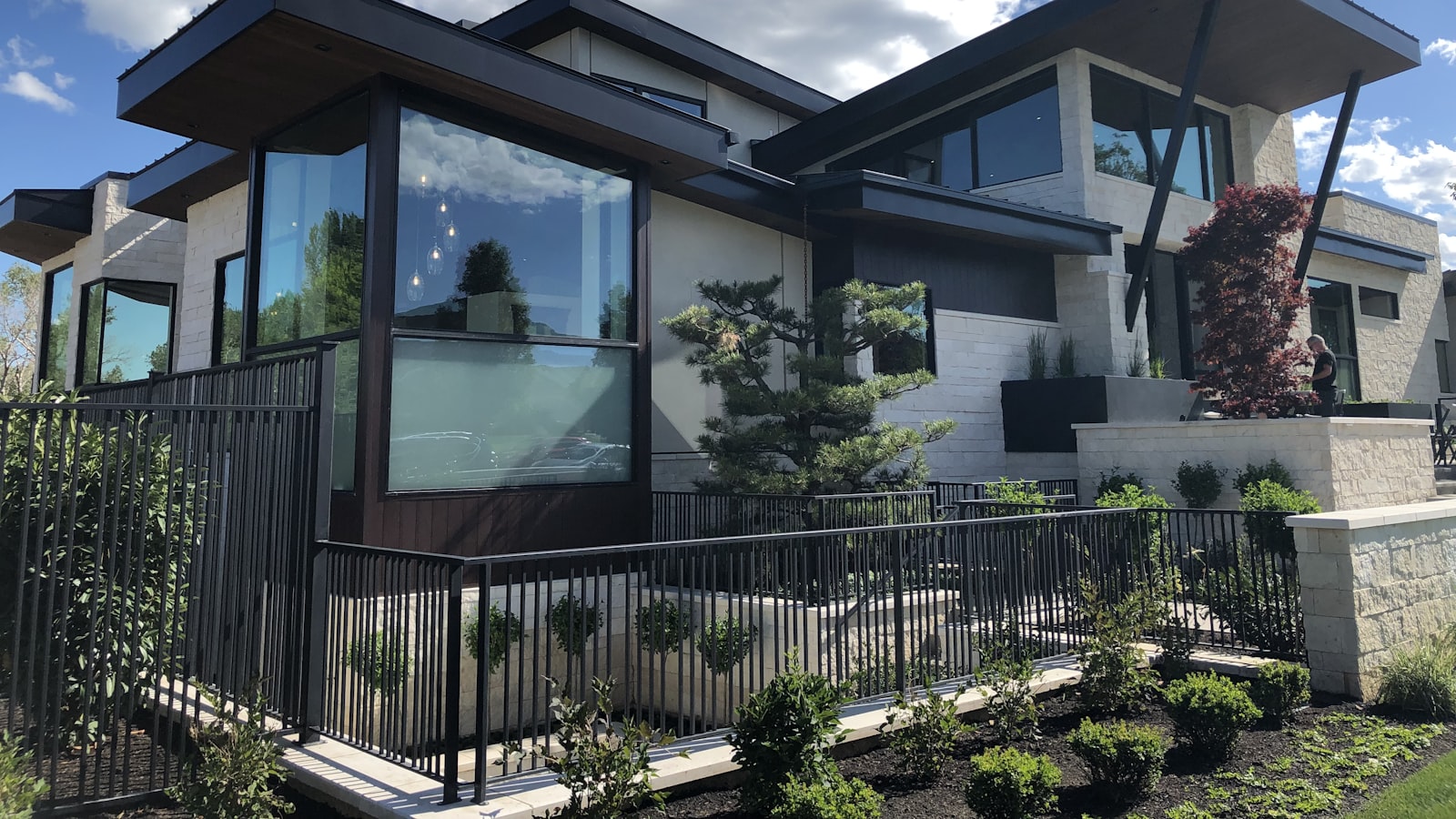
Few purchases carry as much weight as a home or an investment property, and that raises the stakes for everyone selling one. Good property branding is what turns an unfamiliar development, a developer’s name or an estate agent into something a buyer feels safe committing seven figures to. In Singapore’s crowded launch calendar, it’s often the difference between a project that sells out at preview and one that lingers. This guide breaks down what property branding actually involves and how to get it right.
Property branding means three different things
The phrase gets used loosely, so it helps to separate the three jobs it usually refers to:
- Branding a development: giving a specific project — a condo, an integrated development, a commercial building — its own name, identity and story for a single sales campaign.
- Branding a developer: the long-term reputation of the company behind the projects, which buyers increasingly check before they commit.
- Branding an agent or agency: the personal or firm-level brand that estate agents build to win listings and clients.
These overlap but pull in different directions. A development brand is built to be memorable for one launch; a developer or agency brand has to earn trust for years. Confusing the two — pouring all the effort into the launch logo and none into the company that stands behind it — is a common and costly mistake.
Why property branding carries unusual weight
Most branding nudges a low-risk decision. Property branding has to support one of the highest-stakes, lowest-frequency decisions a person ever makes. That changes the psychology you’re designing for.
Buyers are anxious, comparing dozens of options, and acutely sensitive to anything that looks cheap, vague or evasive — because those signals hint at problems with the actual asset. A premium development undermined by a clumsy brochure or an inconsistent website plants doubt at exactly the wrong moment. The brand’s job is to make a serious, considered purchase feel reassuring rather than risky, while still creating the aspiration that justifies the price.
Branding a property development
A new launch is effectively a product with a short, intense shelf life, and the brand has to land fast. The core pieces:
Naming and identity
The name does a lot of heavy lifting. It signals positioning — heritage, nature, exclusivity, lifestyle — before a buyer reads a single line of copy. From there, a coherent identity system (logo, colour, typography, photographic style) carries that positioning across every touchpoint a buyer encounters.
The campaign collateral
Property launches still run on rich, considered collateral, and consistency across it is everything:
- The sales brochure and floor-plan booklet.
- The microsite or landing page, plus paid and social campaigns.
- The showflat experience — signage, wayfinding, the printed leave-behinds buyers carry home.
- Renders, photography and video that set the tone for the lifestyle on offer.
When all of this feels like one confident brand, it lifts perceived value. When the website looks nothing like the brochure, it quietly erodes it. Building that consistent system is the heart of any branding and design engagement.
Personal branding for estate agents
In Singapore’s resale and rental market, the agent is the brand. Buyers and sellers choose a person they trust, and a strong personal brand is what generates listings and referrals. The fundamentals are the same as any brand — a clear positioning, consistent visual identity across name cards, listing photos, social profiles and video — applied at an individual level.
What differs is the regulatory line. Estate agents and agencies in Singapore are licensed by the Council for Estate Agencies (CEA), and advertising must follow its guidelines: accurate representation, no misleading claims, and proper disclosure of the agent’s name, registration number and agency. A personal brand can be bold and distinctive, but it can’t make promises the rules don’t allow. Build the brand on credibility and clarity, not hype.
Trust signals that actually move buyers
Because the purchase is high-stakes, property branding leans heavily on credible reassurance rather than pure aspiration. The signals that carry the most weight:
- Track record: a developer’s or agent’s history of completed projects and satisfied clients does more than any tagline.
- Consistency: a brand that looks identical and considered across brochure, showflat and digital reads as competent and trustworthy.
- Honest, specific information: clear facts about location, tenure, layout and timelines beat vague lifestyle waffle.
- Quality of execution: the production value of the photography, renders and materials is read as a proxy for the quality of the build itself.
You can see how a coherent identity carries across real projects in our work portfolio, where the same discipline — strategy first, then a consistent system — applies whether the brand is a development, a firm or an individual.
How to approach a property branding project
Start by deciding which of the three jobs you’re doing, because each needs a different strategy and timeline. For a launch, work backwards from the preview date and prioritise the touchpoints buyers actually move through. For a developer or agency, invest in the long-term identity that every future project will sit under. In both cases, get the positioning and audience clear before any design begins — a beautiful brochure anchored to no strategy sells nothing. Keep the renders, photography and video on-brand too, because in property the imagery often does more persuading than the words.
Frequently asked questions
What’s the difference between branding a development and branding a developer?
A development brand is built for a single project and a single sales campaign — it can be bold and specific because it only needs to work for one launch. A developer brand is the company’s long-term reputation that sits behind every project. Buyers increasingly check the developer before committing, so both matter, but they’re built and maintained very differently.
Are there rules on how property can be advertised in Singapore?
Yes. Estate agents and agencies are regulated by the Council for Estate Agencies, and property advertising must be accurate, non-misleading and properly attributed with the agent’s details. Developers also have to be careful that marketing claims about a development are truthful. A strong brand works within these rules rather than against them.
Does a small agency or solo agent need branding?
Very much so. When the agent is the product, a clear, consistent personal brand is what earns trust and referrals in a market full of competitors. It doesn’t require a big budget — just a coherent identity and an honest, distinctive positioning applied consistently across every listing and profile.
Launching a development or building your firm’s brand? We turn property positioning into a coherent identity across collateral, digital and showflat. Explore our branding and design work, then tell us about your project.