Food doesn’t stay photogenic for long. Steam dies, sauces dull, ice cream melts, the cheese pull stops pulling. Great restaurant videography is partly craft and partly a race against the clock — getting the sizzle, the pour and the first cut on camera while the dish is still alive. For a Singapore restaurant competing in one of the most food-obsessed markets on earth, video is how you stop the scroll, fill tables and turn a menu refresh into an event. This guide covers what it takes to film food and atmosphere properly.
Why restaurant videography is its own discipline
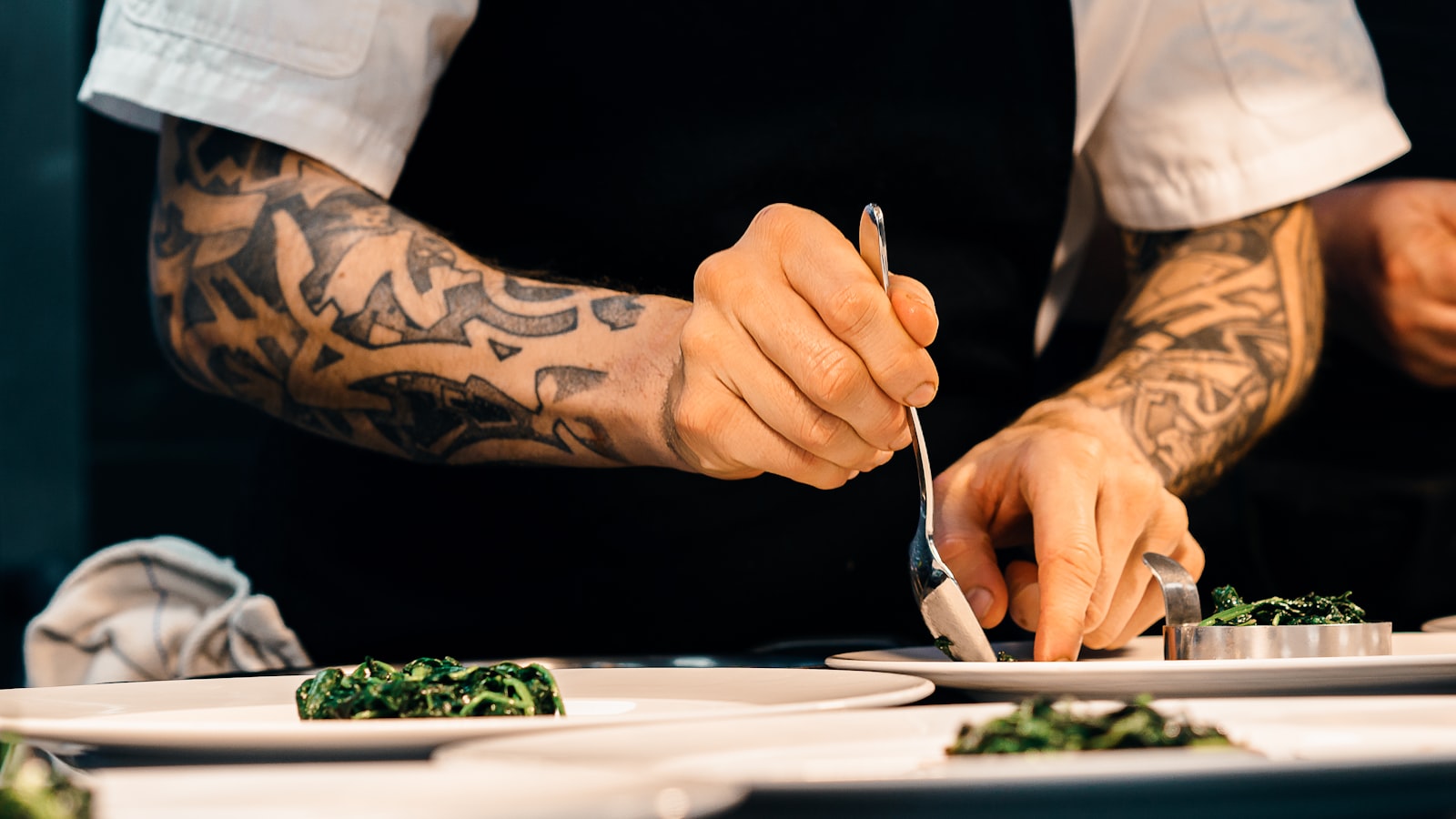
Restaurant videography is not just “filming the menu”. The appetite signals that make a viewer hungry — rising steam, the sizzle of a hotplate, a slow honey pour, the stretch of a cheese pull, a knife through a soft-yolk egg — happen in seconds and never the same way twice. Capturing them well typically needs:
- A food stylist or a chef who plates for camera, not for the table — height, garnish placement and freshness all read differently on screen.
- Fast, coordinated service from the kitchen, so a dish reaches the lens at its peak rather than after it’s been sitting under lights.
- Multiple takes and backups of the hero dish, because the first pour or pull rarely lands perfectly.
- Macro and high-frame-rate work, so textures fill the frame and the sizzle plays back in lush slow motion.
This is why filming during a live dinner service almost never works. The kitchen is flat out, the timing is wrong, and the food is built for guests, not cameras.
Shoot during closed hours
The single biggest practical decision in restaurant videography is when to shoot. The answer is almost always during closed hours — a weekday afternoon between lunch and dinner, or before opening. It gives you:
- A quiet, controllable space to light and dress properly.
- A kitchen that can plate for camera without the pressure of a full room.
- Clean ambience footage of the interior before guests arrive.
- No privacy issues with real diners in shot.
For atmosphere shots that need a “full house” feel, the usual approach is briefed talent dressed as diners during that closed window — controlled, consensual and far easier to direct than a real service.
The three stories every restaurant film tells
A strong restaurant video balances three threads, and most projects want a mix of all three.
The dish hero
Close, sensory, slow-motion shots of signature plates and drinks. These are your scroll-stoppers and your menu-refresh content — the clips that travel furthest on social.
The atmosphere
The interior, the lighting, the energy of the room. This is what tells a viewer whether your place is a date-night fine-diner, a buzzy casual spot or a quiet neighbourhood cafe — and it’s what sets expectations before someone books.
The people and story
The chef’s hands, the open kitchen, a few words on the concept or a key ingredient. A short chef or owner story builds the kind of authenticity that Singapore diners increasingly reward, and it differentiates you from a competitor selling a similar cuisine.
Lighting a restaurant is harder than it looks
Restaurants are designed for mood, not cameras, and that creates real challenges. Warm tungsten downlights, mixed colour temperatures, dim corners and the odd colour-shifting LED can make food look muddy or sickly straight out of camera. A practitioner plans for this by:
- Bringing controllable lights to shape the food without killing the room’s natural ambience.
- Balancing or matching mixed colour temperatures so a dish reads appetising and true to life.
- Grading in post to keep skin tones and food colours natural — over-saturated, orange food is a tell-tale of a rushed job.
The goal is food that looks like the best version of itself while the room still feels like your room.
Format for how Singapore eats online
Food discovery in Singapore happens on the phone — Instagram, TikTok and the reservation that follows on Chope or a quick DM. That shapes the edit:
- Vertical first: 9:16 cuts are the primary format for Reels and TikTok, where new diners actually find you.
- Sound-on and sound-off: the sizzle and pour are gold with sound on, but many watch muted, so design the visuals to work either way.
- Match the segment: a hawker-style concept, a casual cafe and a fine-dining room each call for a different pace and polish — a slick, slow film can make a wallet-friendly spot feel intimidating.
- Flag the practical: halal status, dietary options and signature must-orders are exactly what local diners look for, so build them into captions and on-screen text.
Because menus change, the most cost-effective approach is a content batch — filming several dishes and enough b-roll in one closed-hours session to feed weeks of posts and your next menu refresh. Our videography service is built around this kind of efficient batching, and you can see the standard across our portfolio. If you also want stills for the menu, delivery apps and press, capturing food photography in the same session shares the styling and saves a second booking.
Frequently asked questions
Do we need to close the restaurant to film?
Not close permanently — just shoot during closed hours, such as the afternoon gap between lunch and dinner or before opening. This gives the kitchen room to plate for camera, lets us light the space properly and avoids filming real diners.
Why does food need a stylist and fast service?
Because food only looks its best for a short window. Steam, sizzle, melt and gloss fade fast, so a stylist or chef plating for camera plus quick service from the kitchen is what gets the dish to the lens while it still looks alive. It’s the difference between appetising and flat.
How many dishes can you film in one session?
It varies with complexity, but batching several hero dishes plus interior and chef b-roll in one closed-hours session is the most economical approach. That single shoot usually yields weeks of vertical social content and assets for your next menu refresh.
What format should restaurant videos be?
Vertical 9:16 first, since Singapore diners discover restaurants on Instagram and TikTok. Design clips to work with sound on for the sizzle and off for muted scrolling, and tailor the pace to your segment — casual, cafe or fine-dining.
Hungry for content that fills tables? Tell us about your restaurant and we’ll plan a shoot around your menu, your room and how your diners book.