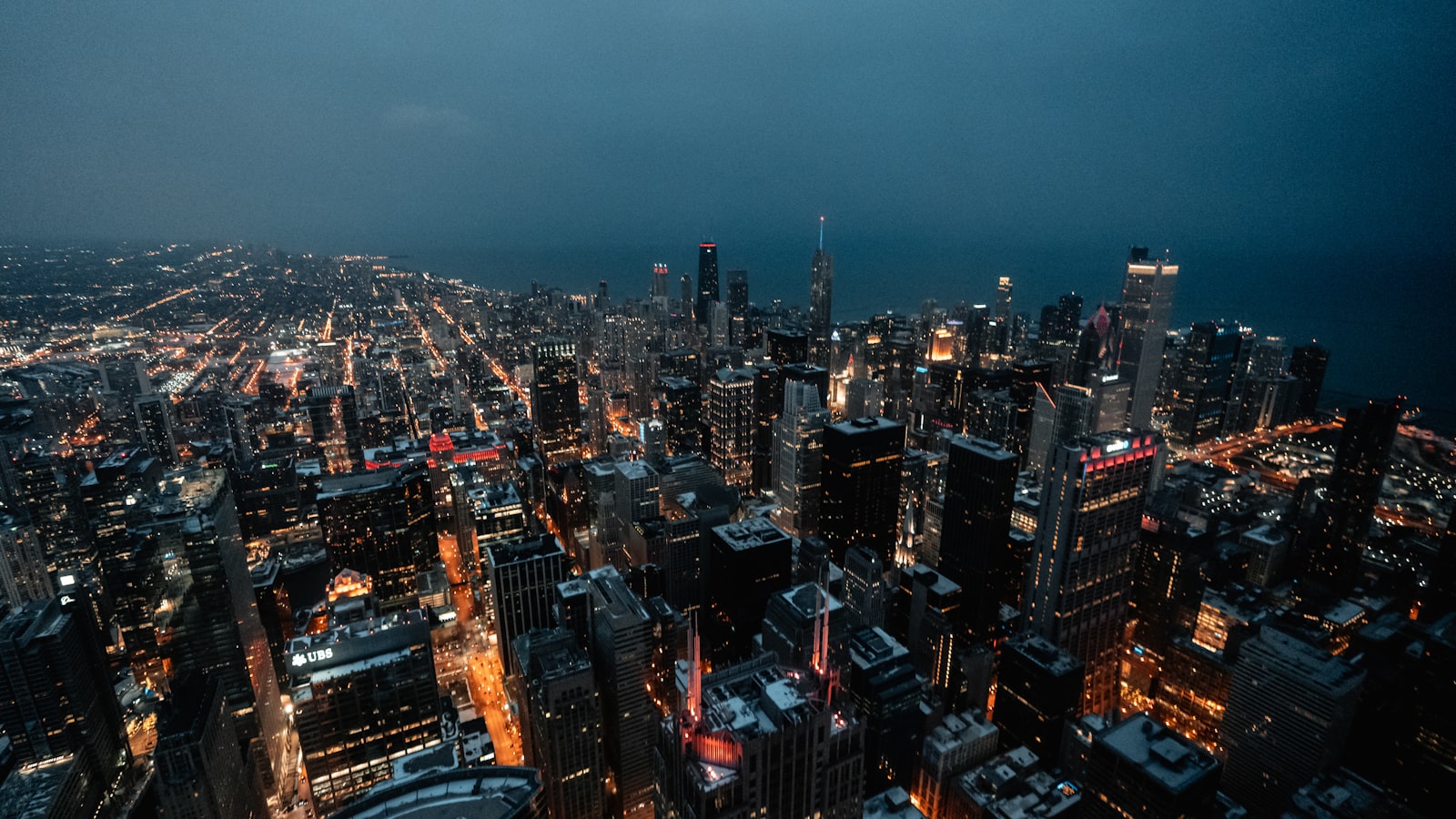
Few things lift a brand video or property listing like a sweeping shot from above. But aerial photography in Singapore is not as simple as buying a drone and flying it over Marina Bay — this is one of the most tightly regulated airspaces in the region, and the rules are enforced. This guide explains what is actually involved, from CAAS regulations and no-fly zones to when a drone shot genuinely earns its place in your content, so you can plan a shoot that is legal, safe and worth the budget.
We work with these constraints regularly, so think of this as the practical version: what a real shoot looks like once you account for the regulator, the weather and the dense urban environment.
The rules: CAAS and why Singapore is strict
All drone activity here is regulated by the Civil Aviation Authority of Singapore (CAAS). Because the island is small, densely built, and sits under the flight paths of two major airports plus military airspace, the airspace is genuinely congested. CAAS rules are not red tape for its own sake — they keep drones away from aircraft and crowds.
The framework changes over time, so always confirm current requirements on the CAAS website before any shoot. As a general shape, the things you need to be aware of are:
- Weight thresholds. Heavier drones, and any flown for business, attract more requirements than a light toy flown for fun.
- Registration. Drones above the stated weight typically need to be registered with CAAS.
- Pilot licensing. Commercial or larger operations generally require the operator to hold the relevant CAAS pilot licence and the operation to be permitted.
- Activity permits. Flying for any business purpose — including aerial photography for a client — usually requires an operator permit and an activity permit.
The headline: commercial aerial photography in Singapore almost always needs permits and a licensed pilot. A hobby clip and a paid brand shoot are not treated the same.
No-fly zones and where you genuinely cannot fly
Large parts of the island are restricted or prohibited for drones, and this catches people out constantly. Areas around Changi and Seletar airports, military installations, and certain protected sites are off-limits or require special clearance. Even popular spots near the CBD and waterfront sit under restrictions.
Before quoting a location, we check it against the official CAAS drone flying zones map. If a site is restricted, you either apply for specific clearance — which takes lead time — or choose an alternative angle. There is no flying first and asking later; the penalties for breaching restricted airspace are serious.
When aerial photography in Singapore is worth it
A drone shot should earn its place, not just exist because the tech is cool. It tends to be worth the planning when:
- Scale is the story. Property developments, large venues, industrial sites, resorts and landscaping benefit from showing footprint and context you cannot capture from the ground.
- Establishing a location. An opening aerial sets the scene fast in a brand film before you cut to people and product.
- Events and transformation. Festivals, sports, construction progress and reveals read powerfully from above.
It is usually not worth it for a small retail interior, a tight product shoot, or anywhere the aerial adds spectacle but no information. Honest planning saves you a permit application for a shot you will not use.
Planning a shoot: lead time and weather
The two things that derail aerial shoots here are paperwork and weather, so build in margin for both.
Lead time
Permits are not instant. Activity permits and any location-specific clearance need to be applied for in advance, so a same-week aerial shoot in a sensitive area is rarely realistic. Plan in weeks, not days, especially near restricted zones.
Weather windows
Singapore’s afternoon storms and haze are real constraints. Strong wind, rain and low visibility either ground the drone or ruin the footage, so we typically target early-morning windows and keep a backup date. Golden-hour light just after sunrise also flatters the skyline.
The ground game
Good aerial work is rarely aerial-only. The strongest results pair drone footage with ground-level coverage so the final edit has range. We usually plan aerial as one layer of a wider videography shoot rather than a standalone deliverable.
How aerial fits into your wider content
Raw aerial clips are not the deliverable — the edited story is. A few sweeping shots dropped into a video with no purpose look like filler. The value comes from integrating aerial coverage with the rest of your photography and content: stills for the website, vertical cut-downs for social, and the hero film for the homepage.
Think about output formats before the shoot. A wide cinematic aerial framed for a 16:9 brand film will not crop well to a 9:16 Instagram Reel, so we capture with the end placements in mind. Planning the deliverables first means the permit, the flight and the edit all serve the same goal.
Frequently asked questions
Do I need a permit for aerial photography in Singapore?
For any business or commercial purpose, almost always yes. CAAS generally requires the operator to be permitted and licensed, with an activity permit for the flight, and the drone registered if it is above the weight threshold. Always confirm the current rules on the CAAS website before planning.
Where can’t drones fly in Singapore?
Restricted and prohibited areas include the zones around Changi and Seletar airports, military sites and various protected locations, with further restrictions across the island. Check the official CAAS drone flying zones map for your specific site before committing to a location.
How far ahead should I book an aerial shoot?
Allow weeks rather than days, especially for sensitive locations needing clearance. Permits take lead time, and you will want a backup date in case of wind, rain or haze, which can ground a drone at short notice.
Is a drone shot worth the cost for my brand?
It is worth it when scale or location is part of the story — property, venues, events, landscapes. For small interiors or tight product work it usually adds spectacle without information, so we will tell you honestly when a ground shoot does the job better.
Planning an aerial shoot? Tell us the location and the goal and we will handle the permits, the flight and the edit.