In hospitality, guests buy the picture before they buy the experience. A traveller comparing rooms on an OTA, a diner scrolling Google Maps at 6pm, a couple deciding where to have drinks — all of them are judging you on photos taken by someone who has never met them. That is why hospitality photography in Singapore is not a nice-to-have; it is the storefront. This guide pulls the whole category together — hotels, restaurants, cafes, bars and event venues — and shows how we plan and shoot spaces, ambience, food, drink and people so the images earn bookings across every channel they land on.
Why hospitality lives or dies on visuals
A hospitality business shows up in more places than almost any other. Your images have to work on booking sites and OTAs, on delivery platforms like GrabFood and Deliveroo, on your Google Business Profile and Maps listing, on Chope or SevenRooms reservation pages, and across Instagram and TikTok. Each surface crops, compresses and reorders your photos differently, and the buyer decides in seconds.
The uncomfortable truth is that a beautiful venue with weak photos will lose to an average venue with sharp ones. People cannot taste the food or feel the aircon through a screen — they can only respond to the visual. Strong, consistent imagery lifts click-through on listings, reduces the “is it worth it?” hesitation, and gives your social team something to actually post. Weak or mismatched photos do the opposite, quietly, every day.
Shooting the space: ambience and lighting, day versus night
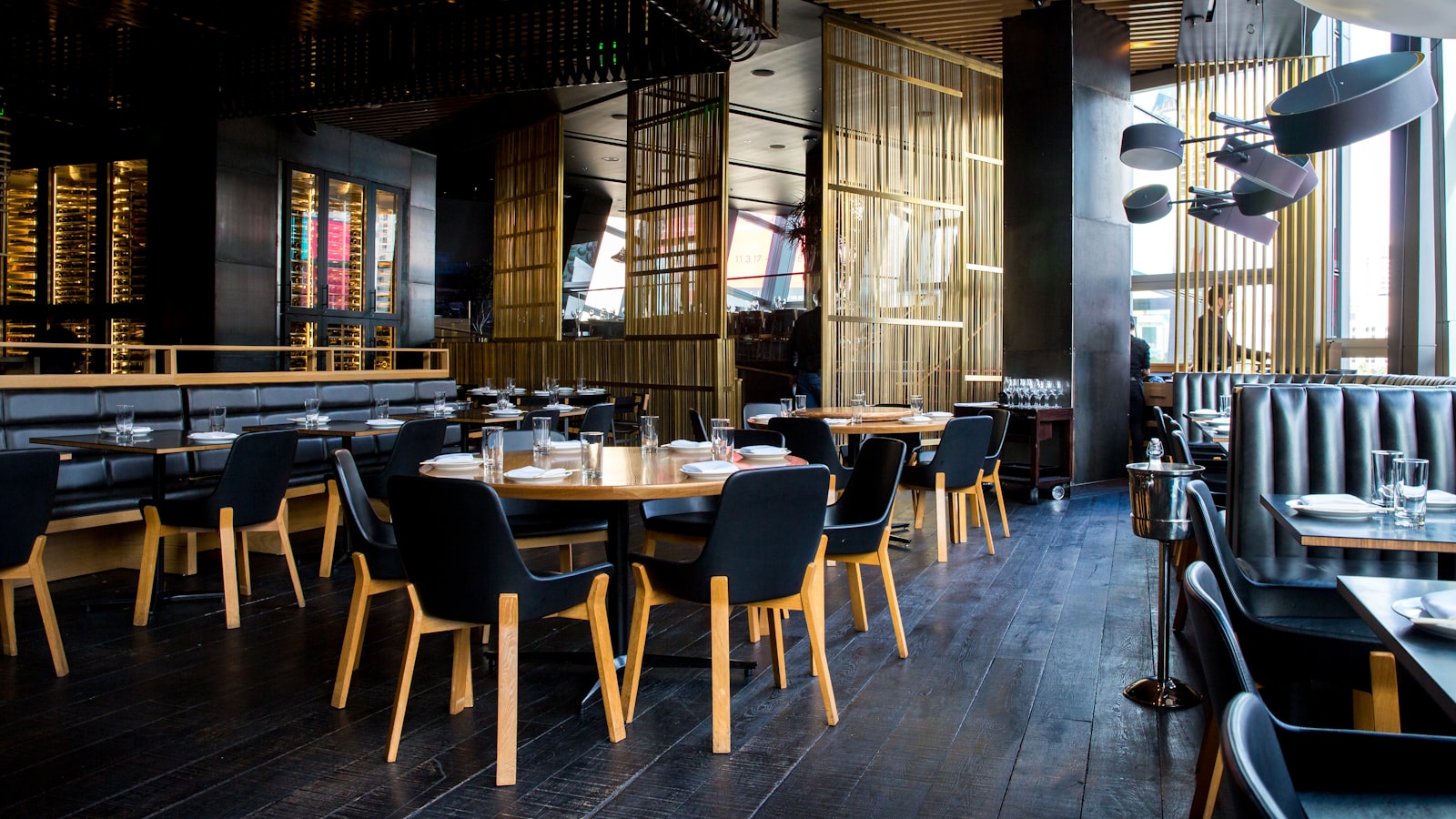
Interiors are the backbone of hospitality photography. The job is to make a room feel the way it feels when it is working — inviting, not empty. That means shooting a space that is styled and lit, not just documented.
Light is the whole game, and Singapore gives you two very different venues in one:
- Day: bright, airy, natural-light frames that suit cafes, breakfast service, hotel lobbies and pool decks. We shoot with the blinds and windows working for us, balancing the harsh tropical sun against interior warmth.
- Night / mood: warm, moody, ambient frames for bars, fine dining and rooftop venues where the atmosphere is the product. Here we shoot around the practical lights already in the room and blend in our own so it still reads as candlelit, not floodlit.
Most venues need both looks in the library, because a rooftop bar sells its sunset and its late-night energy to two different audiences. Blue hour — that short window as the sky turns deep blue but the interior lights glow — is worth planning the entire shoot around for anywhere with a view or a facade.
Food, drink and the details that sell
Food and beverage imagery is a sub-speciality of its own, and it rewards the same care a kitchen puts into plating. Steam, gloss, garnish, condensation on a cold glass, the pour of a cocktail — these are the cues that trigger appetite. We work fast because hot food photographs for minutes, not hours, and we shoot with the chef or bartender on hand so the hero dish is styled exactly as it is served.
For a fuller treatment of menus, hero dishes and delivery-platform shots, see our food photography in Singapore approach — it plugs straight into the wider hospitality library. The principle across both is consistency: a menu shot and an ambience shot from the same venue should clearly belong to the same brand.
Guest experience and the people in the room
Rooms and plates set the scene, but people give it life. Lifestyle frames — a server presenting a dish, a barista at the machine, guests relaxing by the pool, a full table mid-conversation — are what make a venue feel occupied and worth the trip. They also give your social channels a human, scrollable feel that pure interior shots never will.
These shots need planning: styled talent or genuinely comfortable staff, wardrobe that matches the brand, and enough direction that it looks natural rather than staged. This is where a photography library and an active feed start working together — our social media management team can brief the shoot around the content calendar so you leave with posts, not just files.
Planning around service hours
The single biggest practical constraint in hospitality shoots is that the venue has to keep trading. You cannot close a restaurant for a full day in Singapore rents. So we plan around service:
- Interiors and detail shots before doors open or in the gap between lunch and dinner service, when the room is clean and empty.
- Food and drink often shot in a controlled block using the real kitchen, sometimes before service so the pass isn’t blocked.
- Lifestyle and ambience with people either during a soft, staged window or with a small crew of talent so we don’t disrupt paying guests.
A clear shot list and a realistic run sheet are what keep a hospitality shoot from either overrunning or missing the frames that matter. We build both before the day so every minute of access is spent on images you will actually use.
Building a seasonal image library
Hospitality is seasonal, even in Singapore. Chinese New Year set menus, festive December, Ramadan and Hari Raya buffets, National Day promotions, Valentine’s, school holidays — each is a marketing moment that needs fresh, on-theme visuals ready in advance. Scrambling for photos the week a campaign launches always shows.
We treat the image library as an asset that gets topped up, not a one-off. A good approach is a foundational shoot covering evergreen spaces, signature dishes and core ambience, then shorter seasonal top-ups timed a few weeks ahead of each campaign. That way the marketing team always has current, correctly-formatted images on hand instead of recycling last year’s.
Consistency across OTAs and your own channels
Where hospitality brands most often come unstuck is consistency. The hotel photos on Booking.com look nothing like the ones on the website, which look nothing like Instagram. Different photographers, different years, different colour grades — it reads as three different properties and quietly erodes trust.
The fix is a single, consistent shoot and a defined look — colour, framing and mood — applied everywhere. For accommodation specifically, our hotel photography work covers rooms, suites, facilities and facades to the standard OTAs expect. Whether you run a boutique hotel, a restaurant group or a single bar, the goal is the same: every image, on every platform, unmistakably yours. Our broader photography and content services tie these sub-specialities — interiors, food, lifestyle, hotels — into one coherent visual library.
Frequently asked questions
How much does hospitality photography cost in Singapore?
It depends on scope — the number of spaces, dishes and lifestyle setups, whether talent is involved, and how many day and night looks you need. A single-venue cafe shoot sits well below a full hotel property covering rooms, facilities and food. We scope against your shot list and channels so you pay for the images you will use, not a padded package.
Do you shoot during opening hours or when we’re closed?
Both, planned around your service. Interiors and detail work happen before opening or between services; food is often shot in a controlled block; lifestyle frames use a soft window or booked talent. We build a run sheet so the venue keeps trading wherever possible.
Can the same photos be used for OTAs, delivery apps and social?
Yes — that is the point of planning one shoot properly. We capture in high resolution and deliver crops and formats suited to each platform, from wide OTA hero shots to square and vertical frames for Instagram, TikTok and delivery listings, all sharing one consistent look.
How often should we refresh our images?
A foundational library holds up for a year or more, but seasonal campaigns and menu changes need top-ups. We recommend shorter shoots timed a few weeks ahead of key moments like festive season, CNY or a new menu launch so you’re never posting outdated visuals.
Ready to make your venue look as good on screen as it does in person? Tell us about your hotel, restaurant or bar and we’ll plan a hospitality shoot that works across every channel you sell on.