Architecture photography is how a building earns its reputation beyond the people who physically visit it. For architects and developers it is the portfolio that wins the next commission; for facilities and corporate clients it is the hero image of a new headquarters; for property marketing it is the shot that anchors a whole campaign. Singapore’s skyline is dense, photogenic and constantly rebuilt, which makes it a great subject and a demanding one. This guide covers how we approach architecture photography here and what the discipline really involves.
How architecture photography differs from a property snap
A real-estate listing photo asks “what is this space like?” Architecture photography asks “what is remarkable about this design?” The first is documentation; the second is interpretation. We are looking for the form, the rhythm of a facade, the way light hits a material, the relationship between the building and its surroundings — and then composing to make those qualities unmissable.
That changes everything downstream: the angles, the time of day, the lens, the patience. A great architecture image often takes hours of waiting for the right light and the right gap in traffic, not minutes of pointing and shooting.
The non-negotiable: getting verticals straight
Nothing marks an amateur building shot faster than converging verticals — walls that lean inward because the camera was tilted up to fit the structure in. In architecture photography, vertical lines must be vertical. We achieve this with careful camera positioning, tilt-shift lenses where appropriate, and precise perspective correction in post. Shooting a tall building from across the street, or finding an elevated vantage point, often does more for the geometry than any software fix. Clean, parallel lines are what make a building look monumental rather than toppling.
Light and the magic of blue hour
Buildings transform with light. The same facade is flat and lifeless under harsh midday sun and dramatic under low, raking morning light that reveals texture and depth. For exteriors we plan around the sun’s path — golden hour for warmth and long shadows, overcast skies for even detail on intricate facades.
Blue hour, the short window just after sunset, is the architecture photographer’s favourite. The sky turns a deep saturated blue while the building’s interior and exterior lights glow warm, and the balance between the two is what makes a tower or a hotel look its most desirable. That window lasts perhaps twenty minutes, so being set up, composed and ready in advance is everything. This kind of planning is core to how we deliver photography and content that brands can actually build campaigns around.
Singapore realities: density, weather and access
Shooting buildings in Singapore comes with specific constraints:
- Density — clean sightlines are rare. Other buildings, hoardings, MRT viaducts and cranes crowd the frame, so finding the angle that isolates your subject takes scouting.
- Weather — sudden storms and heavy overcast are common. We build flexibility into the schedule and treat dramatic skies after rain as an opportunity, not a write-off.
- Access and permits — public roads and walkways are generally fine, but many of the best vantage points are private rooftops, neighbouring buildings or controlled areas that need permission. Drone work over the city is tightly regulated and requires the proper authorisations and flight permits. We sort this out in advance rather than improvising on the day.
Composition: showing scale, context and detail
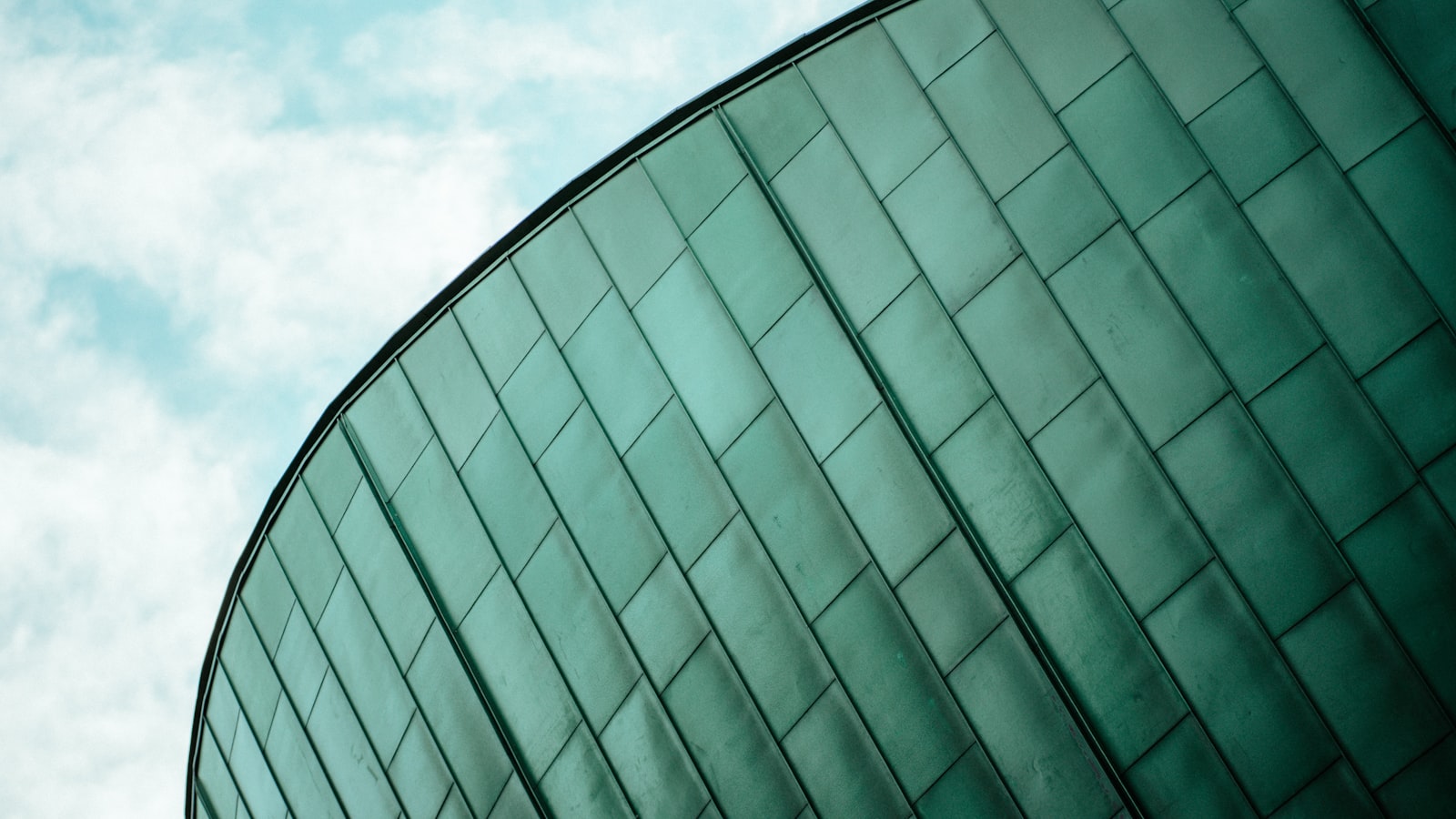
A complete architecture set works at several scales. The hero wide establishes the whole building and its silhouette against the sky. Mid-range frames show how it meets the street and relates to its neighbours. Tight abstracts isolate a repeating pattern, a junction of materials, or the play of shadow across a surface — the details that designers are most proud of. Including people, transport or trees for scale can transform an image from sterile to alive, giving the eye a reference for just how large the structure is. The breadth of that approach shows across our portfolio of work.
Drone and elevated perspectives
Aerial angles reveal a building’s roofscape, its footprint and its place in the wider urban fabric — perspectives impossible from the ground. In Singapore, drone flights are subject to clear rules around weight, altitude, no-fly zones near airports and military areas, and the need for permits in many locations. Done legally and well, an aerial hero shot is often the single most striking image in a developer’s marketing suite. We plan these properly so the shoot stays compliant and the footage is genuinely usable.
Frequently asked questions
Why do my photos of the building look like it is falling over?
That is converging verticals, caused by tilting the camera upward to fit a tall building in. The fix is a combination of camera position, the right lens, and perspective correction in editing so the vertical lines stay parallel and the building looks stable and grand.
What is the best time of day to photograph a building?
It depends on the facade’s orientation and material, but golden hour and blue hour are usually the most flattering. Blue hour in particular — just after sunset, with the building lit and the sky still deep blue — produces the most desirable exterior images. Overcast skies work well for detail-rich facades.
Do you need permits to photograph buildings in Singapore?
Shooting from public spaces is generally fine. Access to private rooftops or neighbouring vantage points needs permission, and any drone work requires the relevant authorisations and flight permits, especially given Singapore’s no-fly zones. We handle this planning before the shoot.
Can you shoot both the exterior and interior?
Yes, and they often complement each other in a project. Exteriors capture the form and presence; interiors show how the design works as a space. We plan the timing so each is shot in its best light, sometimes across a full day.
Have a building worth immortalising? Tell us about the project and we will plan the shoot around the light.