Beauty is sold on a contradiction: customers buy on emotion and desire, then scrutinise the rational claims before they part with their money. Beauty branding is the craft of holding both at once — creating aspiration while signalling enough credibility and safety that a sceptical buyer trusts what’s going on their skin. In Singapore, where shoppers are sophisticated, K-beauty and J-beauty set a high bar, and ingredient transparency is now table stakes, getting that balance right is what separates the brands that last from the ones that fade after one viral moment. This guide breaks it down.
Beauty branding lives where desire meets trust
Most categories lean one way — pure aspiration or pure reassurance. Beauty has to do both simultaneously. The customer wants the fantasy the brand sells: better skin, confidence, a certain identity. But cosmetics go on the body, so the same customer also wants proof it’s safe, effective and honest about what’s inside.
This tension defines beauty branding. Lean too far into glamour and you look like all promise and no substance, which today’s ingredient-savvy shopper distrusts. Lean too far into clinical claims and you lose the desire that makes beauty pleasurable to buy. The strongest beauty brands make credibility itself feel desirable — transparency as a luxury, not a disclaimer.
The components that carry a beauty brand
Beauty branding is unusually dependent on a few high-stakes touchpoints:
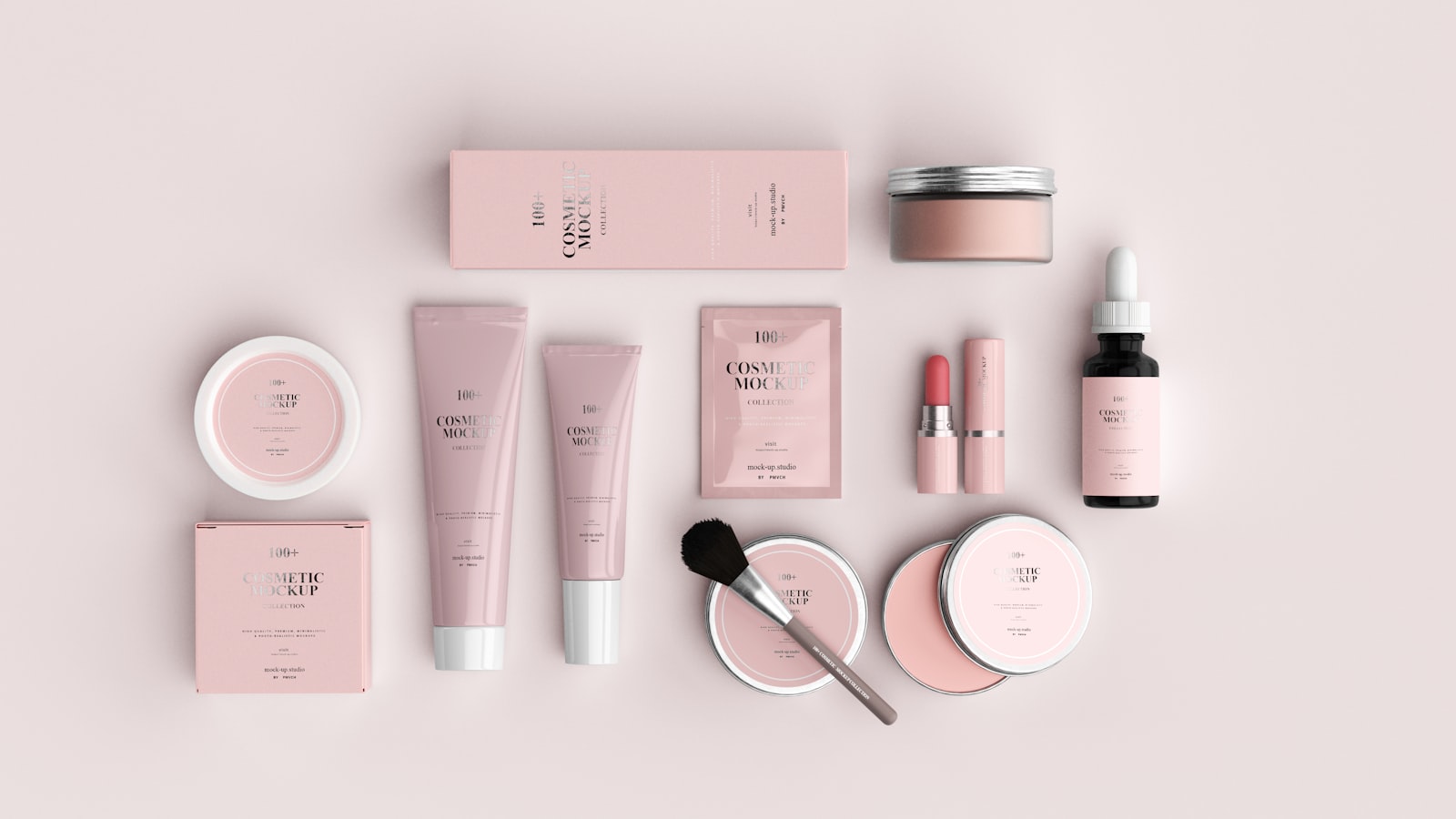
- Packaging: in beauty, the packaging is the product as much as the formula. It sits on a shelf or a bathroom counter, gets photographed, and signals quality and positioning before anyone tries it.
- Visual identity: name, logo, colour and typography — typically tuned to a precise emotional register, from clinical and clean to indulgent and sensorial.
- The claim and ingredient story: what the brand promises and how transparently it backs it up has become central to the identity, not an afterthought.
- Digital and retail presence: the website and e-commerce, plus how the brand looks at retailers like Sephora, Watsons and Guardian where it competes shelf-to-shelf.
- Content and social: tutorials, before-and-afters and reviews that prove the promise in practice.
Because packaging and identity do so much of the persuading, a beauty branding and design engagement puts unusual weight on the physical and visual execution.
Claims, ingredients and the rules
Beauty is a regulated category, and what you’re allowed to say shapes the brand directly. In Singapore, cosmetic products are overseen by the Health Sciences Authority (HSA) under a product notification system, and brands cannot make claims that stray into medicinal or misleading territory — a moisturiser can’t credibly promise to “cure” a condition. Marketing has to stay within what the product can honestly support.
Rather than treating this as a constraint, strong beauty branding makes a virtue of it. The market has shifted decisively towards transparency: ingredient lists, honest efficacy claims and “clean” or sensitive-skin positioning resonate precisely because customers are tired of being oversold. Two further considerations matter in Singapore’s market:
- Inclusivity: shade ranges and formulations suited to Asian skin tones and the local climate signal that a brand genuinely understands its customer.
- Halal certification: for products targeting the Muslim market, credible certification is a meaningful trust signal, not a nice-to-have.
The influencer and UGC economy
No category is as driven by other people’s opinions as beauty. Customers trust a review, a tutorial or a friend’s recommendation far more than a brand’s own advert, which reshapes how beauty branding works.
The implication is that your brand is partly built by people you don’t employ — influencers, reviewers and ordinary customers posting results. You can’t control that conversation, but you can earn the right kind of it by making a genuinely good product and a brand worth talking about. Practical points:
- Design for sharing. Distinctive packaging and an unboxing worth filming turn customers into a marketing channel.
- Authenticity beats polish. Real results and honest reviews convert better than glossy claims, especially with younger Singapore buyers.
- Consistency holds it together. Across the website, social, retail and creator content, the brand has to feel like one thing.
That’s why beauty branding usually runs alongside photography and content and social media — the proof of the brand lives in content. You can see how a coherent identity carries across real projects in our work portfolio.
Common pitfalls to avoid
- Over-claiming: promises the product can’t support, which both erode trust and risk crossing HSA lines.
- Style over substance: beautiful packaging around a mediocre formula — quickly exposed by reviews.
- Ignoring the customer’s skin: shade ranges or formulations that don’t suit the local market.
- Inconsistency: a brand that looks luxurious on Instagram and cheap on the retail shelf.
- Chasing every trend: reformulating and rebranding for each fad until the brand has no stable identity.
Frequently asked questions
Why is packaging so important in beauty branding?
Because in beauty the packaging is experienced as part of the product. It sits on display, gets photographed and shared, and communicates quality and positioning before anyone uses the formula. A premium product in cheap-looking packaging undersells itself, while considered packaging can lift perceived value significantly — which is why it gets disproportionate attention in a beauty brand build.
What can a cosmetics brand legally claim in Singapore?
Cosmetic products are regulated by the Health Sciences Authority, and claims must stay within what a cosmetic can honestly do — they can’t drift into medicinal promises or mislead. The smart approach is to make transparency and honest, supportable claims part of the brand’s appeal, because today’s shoppers actively reward credibility over hype.
How much do reviews and influencers matter for a beauty brand?
Hugely. Customers trust independent reviews and creator content far more than brand advertising, so a meaningful part of your brand is built by people outside the company. You earn the right kind of attention with a genuinely good product, distinctive shareable packaging and an authentic presence — not by trying to control the conversation.
Building or refreshing a beauty brand? We balance desire and credibility into identities and packaging that sell. Explore our branding and design work, then tell us about your project.