On a crowded shelf, your packaging is your sales pitch — often the only one a shopper will ever hear. Great food packaging design does three things in the few seconds it has: it stops the eye, communicates what the product is, and makes someone want to pick it up. Get those right and the product sells itself; get them wrong and even a superior product gets passed over. This guide walks through how we approach food packaging design for Singapore brands, from shelf strategy to the practical constraints of print and regulation.
Packaging is a salesperson, not decoration
It helps to reframe the brief. You are not “making it look nice” — you are designing a silent salesperson that has to win at arm’s length, under harsh retail lighting, surrounded by competitors. Every decision should answer one question: does this help the product get chosen?
That mindset changes priorities. Legibility beats cleverness. A clear product identity beats a busy illustration. The job of food packaging design is to convert attention into a hand reaching for the shelf.
Winning the first three seconds
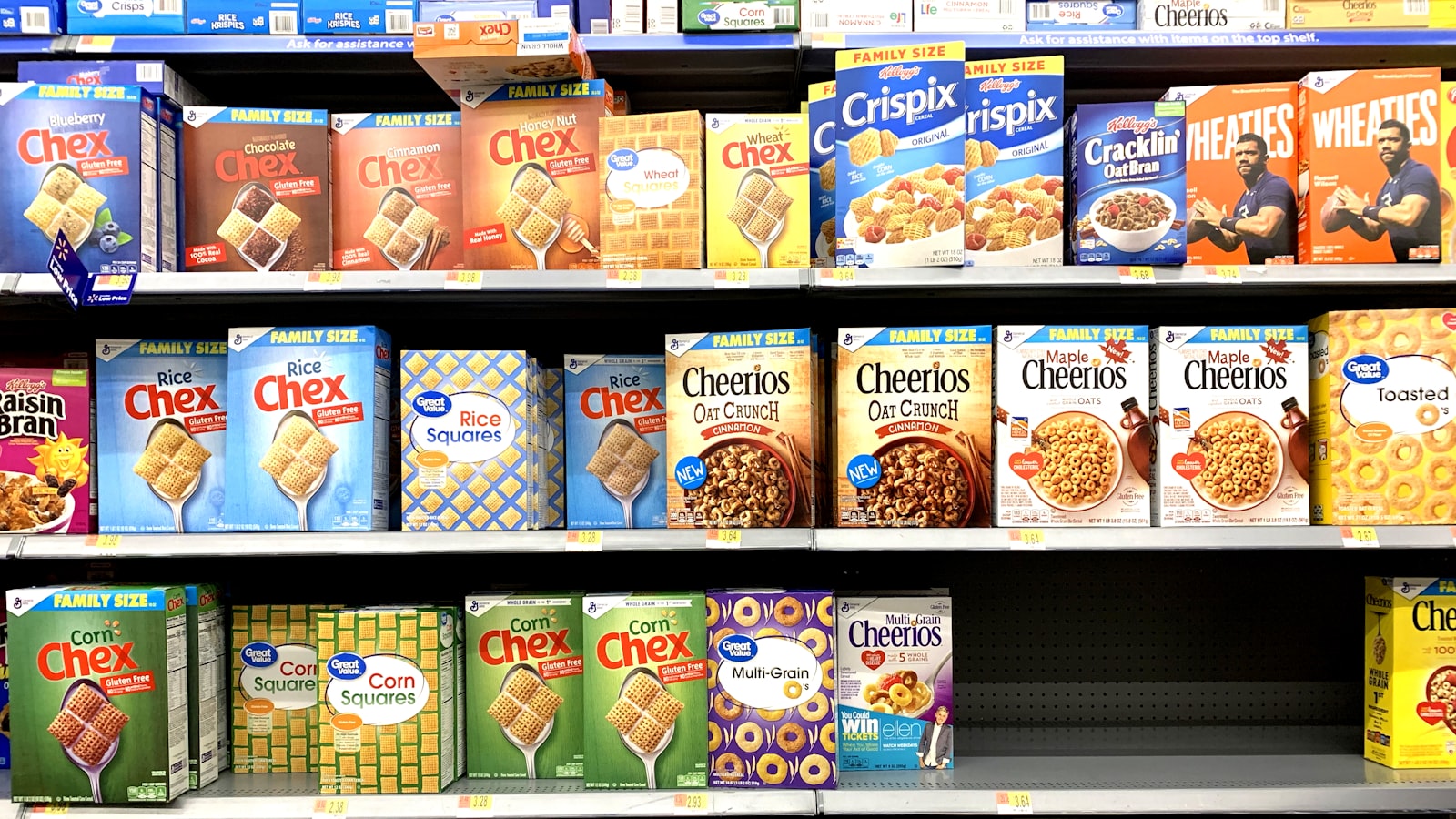
Shoppers scan, they do not read. Your packaging has to communicate its core message before a word is consciously processed.
Establish a clear hierarchy
Decide what the shopper must register first, second and third — usually the brand, the product type, then a key benefit or flavour. Design the size, colour and placement to enforce that order. When everything shouts, nothing is heard.
Own a colour and a shape
Distinctive colour blocking and a recognisable structure help your product form a “block” on the shelf and become findable on repeat purchases. Consistency across a range turns individual packs into a family that commands more shelf presence than any single item could.
Appetite appeal and honesty
Food sells on desire. Whether through photography, illustration or a window to the product itself, packaging should make the food look as good as it tastes — while staying honest. Over-promising on pack and under-delivering in the bag is the fastest way to lose a repeat customer.
- Show the product — appetising imagery or a die-cut window builds trust and craving.
- Signal the category cues — premium, natural, indulgent and value each have visual conventions shoppers read instantly.
- Match the promise to reality — the unboxing should meet or beat the expectation set on the shelf.
Our branding and design team treats the pack as an extension of the wider brand, so the values you communicate elsewhere are reinforced the moment someone holds the product.
The practical constraints
Beautiful designs that cannot be printed, sealed or stacked are useless. Food packaging design lives inside real-world limits, and the best work respects them from the first sketch.
- Materials and barrier — the pack must protect freshness, especially in Singapore’s heat and humidity.
- Print process — colours and finishes behave differently across flexible film, cartons and labels.
- Structure and logistics — packs need to stack, ship and sit on a shelf without distorting the design.
- Cost — finishes like foil and embossing add appeal and cost; choose where they earn their keep.
Designing with your printer and manufacturer early avoids expensive surprises and keeps the final product faithful to the artwork.
Regulations and labelling in Singapore
Food packaging is one of the more regulated design jobs, and getting it wrong can stop a product from going to market. In Singapore, food labelling is governed by the Singapore Food Agency and the Food Regulations, which set out mandatory information such as the product name, ingredient list, allergen declarations, net quantity, and the name and address of the importer or manufacturer.
Practical implications for design:
- Reserve space for mandatory information early — do not treat it as an afterthought squeezed in at the end.
- Keep legally required text legible and compliant in size and contrast.
- If you plan to export, factor in the destination market’s labelling rules too.
Always confirm current requirements with the relevant authority or a regulatory specialist before going to print — rules change, and the manufacturer ultimately carries responsibility for compliance.
Designing for a range, not a single pack
Most food brands grow into multiple flavours, sizes or sub-lines. Designing a flexible system from the start — a master layout where only the variable elements change — keeps the brand coherent and makes adding new products fast and cheap. You can see how this kind of systematic thinking carries across projects in our work portfolio. A scalable system is what separates a brand that looks intentional from one that looks assembled over time.
Frequently asked questions
What makes food packaging design actually sell?
Clarity and standout, in that order. The pack must instantly communicate what the product is and make it look appetising, then differentiate itself enough to be noticed on a busy shelf. Cleverness that gets in the way of those basics tends to hurt sales rather than help.
How much does food packaging design cost in Singapore?
It varies widely with the number of SKUs, the complexity of the structure and the finishes involved. A single label is far cheaper than a full range with custom die-cuts and special finishes. The bigger cost lever is usually production volume and material choice, so design and manufacturing should be scoped together.
Do I need to redesign packaging to launch a new flavour?
Not if the original was built as a system. A well-designed range uses a master template where only the flavour name, colour and imagery change, so new variants slot in quickly and stay on-brand. If adding a flavour feels like starting over, the underlying system needs rework.
Bringing a product to shelf? Tell us about your project and we will help you create food packaging design that earns the sale.