Most brands ask for “nice photos” and then wonder why the results miss. The fix is knowing your photography styles before you brief — because product, lifestyle and editorial shoots solve different problems and need different planning. This guide walks through the photography styles every Singapore brand should know, when to use each, and how to brief so you get images you can actually use across your website, social and ads.
Why photography styles matter before you book a shoot
A shoot is one of the few marketing spends where the brief decides the outcome before anyone shows up. Choosing the wrong style is expensive: you pay for studio time, a photographer and possibly talent, and walk away with images that do not fit where you needed them. Knowing the styles lets you match the look to the channel — a clean cut-out for an e-commerce listing is not the same job as a warm lifestyle frame for an Instagram carousel.
The core photography styles brands use
Product photography
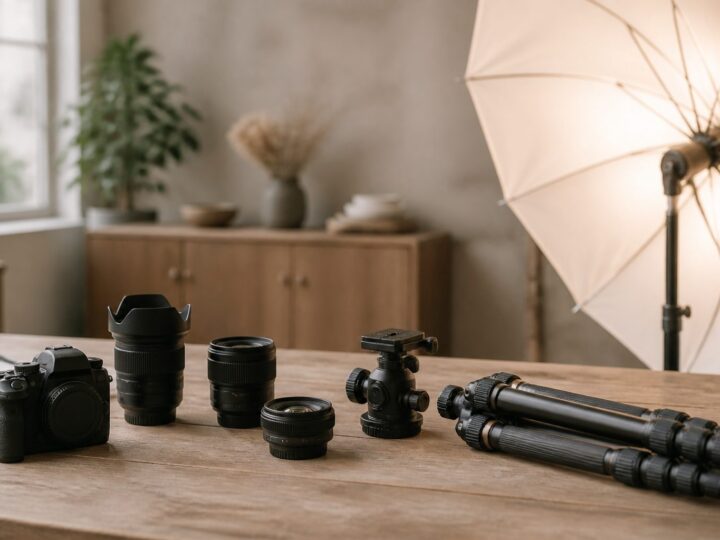
Clean, controlled shots of the product itself, usually on white or a simple backdrop. This is the workhorse for e-commerce, marketplaces like Shopee and Lazada, and catalogue listings. The goal is accuracy and consistency — true colour, sharp detail, and a uniform look across your range so a storefront feels tidy.
Lifestyle photography
The product in a real-feeling context — being used, worn or enjoyed. A café shot in natural light, skincare on a bathroom shelf, a bag slung over a shoulder along the Singapore River. Lifestyle images sell the feeling and perform well on social and landing pages because they help a buyer picture themselves using the thing.
Editorial photography
Magazine-style, concept-driven images with stronger art direction, styling and mood. This is where a brand shows personality. Editorial shoots cost more because they involve a stylist, set design and a tighter creative concept, but they produce hero images for campaigns and homepages.
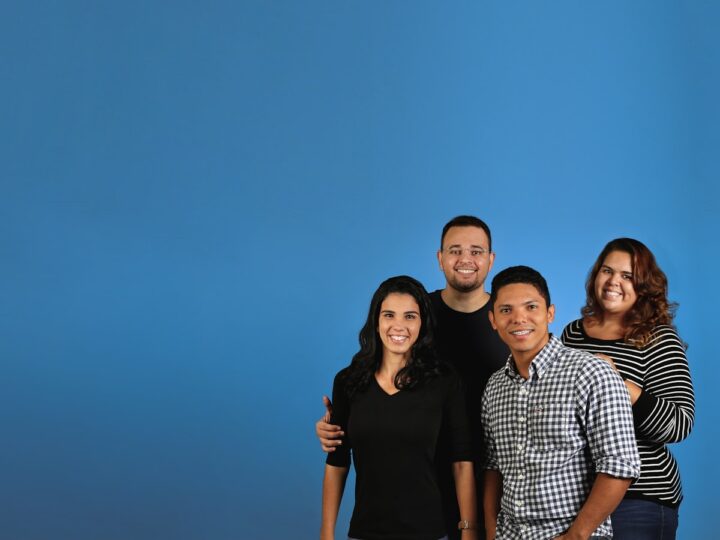
Portrait and corporate photography
Headshots and team photos for “About” pages, LinkedIn and PR. Consistency matters here — same lighting, same framing, same background so your team looks like one company. For SMEs this is often the quiet workhorse that lifts a whole website’s credibility.
Food photography
Its own discipline, and a big one in Singapore. Food needs fast shooting before it wilts, careful styling, and lighting that makes texture pop. Whether it is for a menu, delivery app or social feed, food photography rewards a specialist who knows how to keep a dish looking fresh under hot lights.
Flat lay and detail photography
Top-down arrangements and close-up texture shots. Cheap to produce, endlessly useful for social, and great for showing range, ingredients or packaging detail. Flat lays fill a content calendar without a full production.
Matching the style to the channel
One shoot can — and should — feed several channels if you plan it. A useful way to think about it:
- E-commerce listings: product photography, consistent angles, clean background.
- Instagram and TikTok: lifestyle and flat lay, shot vertical where possible.
- Website hero and campaigns: editorial for impact.
- About / team pages: portrait and corporate.
- Menus and delivery apps: food photography.
When we plan a session, we map the shot list against every place the images will live, so a single day produces assets for the whole quarter rather than one campaign. That planning sits at the heart of our photography and content work.
What different photography styles cost in Singapore
Pricing depends on the style, the day rate, the number of set-ups, and whether you need a studio, stylist or talent — so treat any number as a planning guide, not a quote. As a rough sense of the spread:
- Simple product or flat lay sits at the lower end — fewer people, controlled set-up.
- Lifestyle rises with location, talent and styling.
- Editorial is typically the most involved because of art direction and set design.
The cost-efficient move is to batch. Shooting product, lifestyle and a few flat lays in one booking spreads the fixed costs (studio, photographer, set-up time) across far more usable images.
How to brief a photographer well
A good brief is the difference between a usable gallery and a reshoot. Bring these to the table:
- Reference images — three to five examples of the look you want, and one or two you do not.
- A shot list — every hero shot, angle and detail you need, mapped to where it will be used.
- Format requirements — vertical for social, square for listings, wide for web banners.
- Brand rules — colours, props to include or avoid, and any must-show product features.
If you are not sure which style fits, that is exactly the conversation to have before booking. You can see how different styles come together across our portfolio.
Frequently asked questions
Can I mix photography styles in one shoot?
Yes, and you usually should. A single well-planned day can deliver product shots, a few lifestyle frames and some flat lays. The key is a clear shot list so the team knows when to switch set-ups and lighting.
Which photography style is best for social media?
Lifestyle and flat lay tend to perform best on Singapore social feeds because they look native and help buyers picture the product in real life. Shoot vertical, leave room for text, and keep the editing consistent.
Do I need a studio for every style?
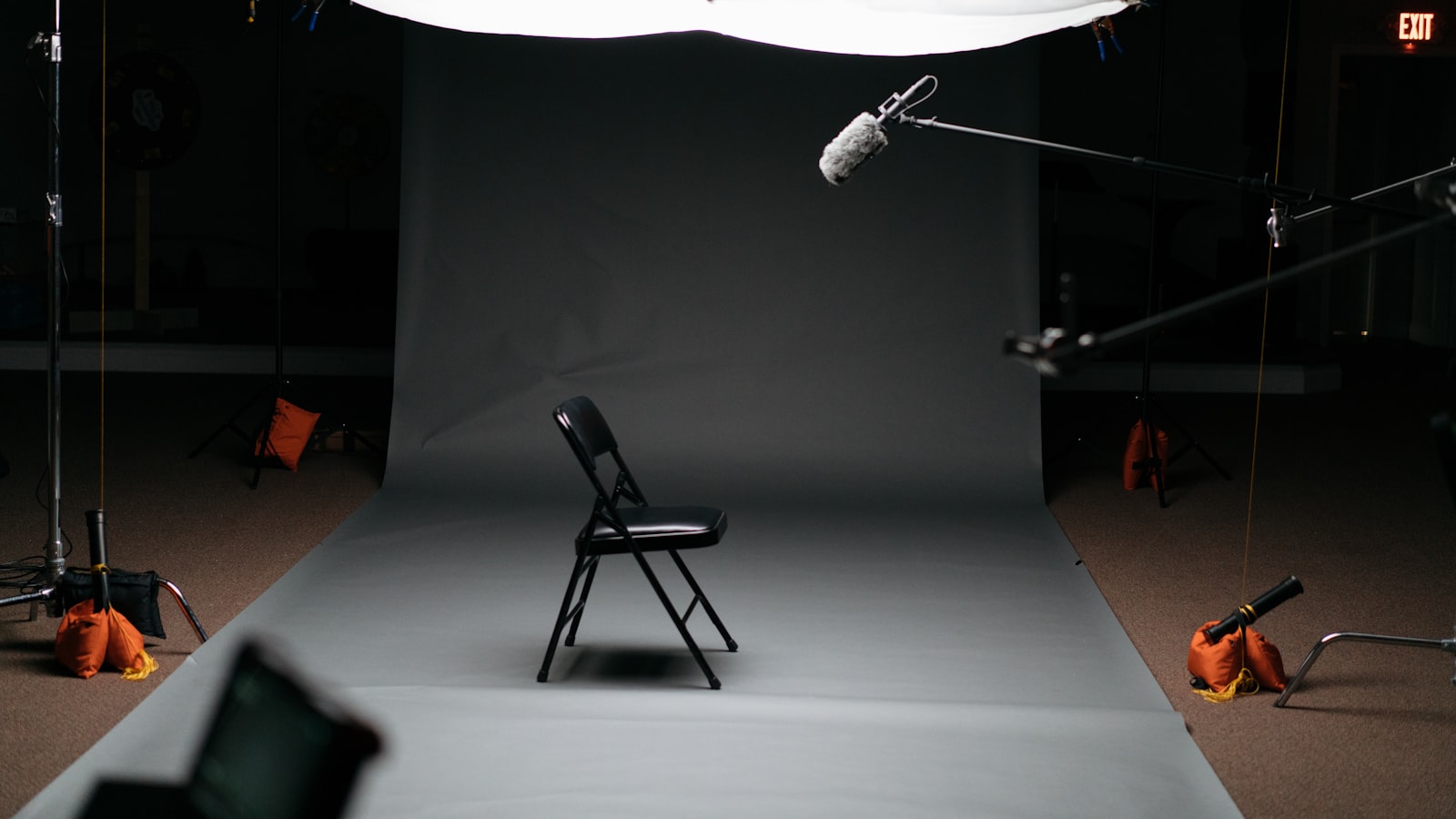
No. Product, flat lay and editorial often need a studio for control, while lifestyle frequently works better on location for an authentic feel. Your shot list decides — that is why planning comes before booking.
Not sure which photography styles your brand needs? Tell us what you are shooting for and we will plan a session that covers it.