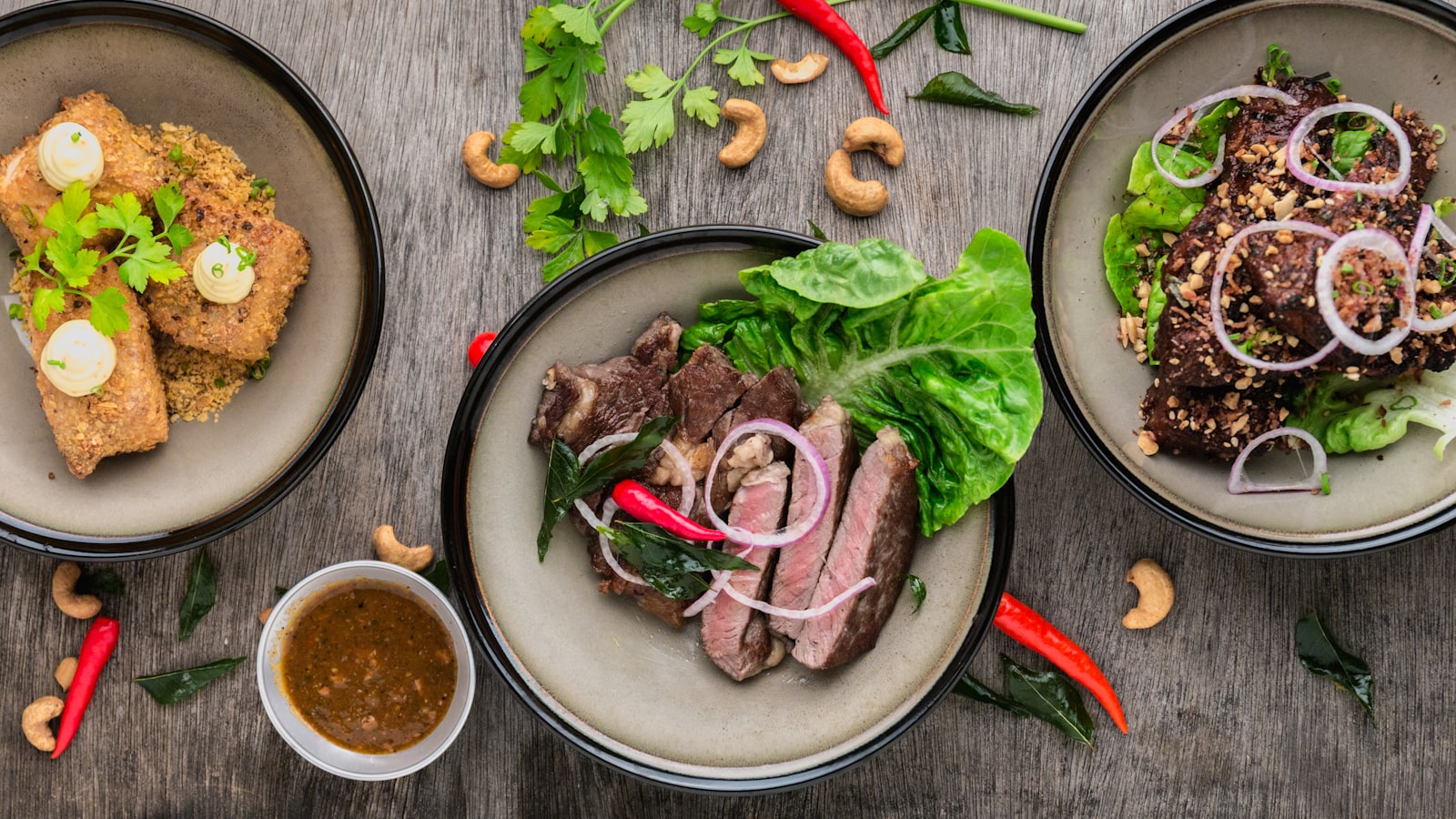
In a city as food-obsessed as ours, your dishes compete on a screen long before they reach a table. Whether a customer is scrolling GrabFood at lunch, deciding which café to queue at, or browsing your Instagram, the photo is the sell. Good food photography in Singapore is the difference between a dish that gets ordered and one that gets scrolled past. This guide is the practical, agency-side version of how we plan and shoot it for F&B brands.
We shoot menus, hawker stalls, cafés and restaurant brands regularly, so this is what actually matters on the day — not the gear talk.
Why food photography in Singapore sells harder
Singaporeans research where to eat constantly, and we do it on our phones. Delivery platforms, Google, Instagram and TikTok all lead with images. On GrabFood and Deliveroo especially, a clear, appetising photo on each item lifts orders — the customer can’t smell or taste it, so the picture is the entire pitch.
There’s also a saturation problem. Every new café looks similar online. Distinctive, on-brand food photography is one of the few ways a small F&B brand stands out before a single customer walks in.
Decide what you actually need to shoot
Before booking anything, map your dishes to where the images will live. Most F&B brands need a mix of:
- Menu / delivery shots — every key dish, shot clean and consistent for the website, GrabFood and Deliveroo. These are workhorses, not art.
- Hero shots — your two or three signature dishes, styled to look irresistible, for ads, homepage banners and the top of your menu.
- Lifestyle / in-context — hands reaching in, a table of friends sharing, steam rising, the café ambience. This is what performs on Instagram and Meta ads.
- Detail / texture — the cheese pull, the runny yolk, the crispy skin. Close-ups that trigger appetite.
- Drinks and desserts — often your most shareable, photogenic items. Don’t leave them out.
A clear shot list — “18 dishes, clean menu shots, plus 4 hero scenes and 6 lifestyle” — is something a studio can quote and schedule. “Some nice food photos” is not.
Light is everything — natural vs studio
Food looks best in soft, directional light. Many of Singapore’s best café shots use window light: it’s flattering, free and honest about colour. The trade-off is consistency — our weather swings from harsh glare to grey haze, so daylight shoots can’t always be repeated to match.
For menu and delivery work, where every dish has to look uniform, controlled studio or off-camera lighting wins. It lets us match exposure and colour shot after shot, even across two days. A practical hybrid: shoot lifestyle and ambience in natural light, and lock the menu set under controlled light.
Styling, props and the food itself
Great food photography starts behind the lens, on the plate. A few habits that lift every frame:
Cook for the camera
The hero plate should be the best-looking version, plated deliberately — garnish fresh, sauces glossy, edges wiped. Food fades fast under lights, so we shoot fresh batches and work quickly. Steam, condensation on a cold glass, a deliberate drip — these “hero moments” are often staged on purpose.
Keep props on-brand and minimal
Surfaces, crockery, cutlery and linen set the mood. Match them to your brand — rustic timber and ceramic for a kampong-style eatery, clean marble and matte plates for a modern café. Agree who sources props before the shoot, because it adds up. Less clutter usually reads as more premium.
Match the platform’s crop
Square and 4:5 for the Instagram feed, vertical 9:16 for Reels, Stories and TikTok, and tight, well-lit crops for delivery thumbnails. We frame for the output rather than cropping a mess in post.
Don’t shoot stills without thinking about video
If the dish is already plated and lit, capturing short-form video in the same session is efficient and gives you content for Reels, TikTok and ads without a second booking. A slow pour, a cheese pull, a knife through a cake — these short-form video clips travel further than stills on social. We usually plan photo and video together; our photography and content team shoots both in one go so you walk away with a full content set, not just a folder of stills.
What drives the cost in Singapore
Food photography pricing in Singapore varies widely, so treat any figure as a range, not a quote. The things that move it:
- Number of dishes and shots — the single biggest driver. More items, more setups, more time.
- Styling and props — a clean menu shot is quick; a fully styled lifestyle scene with a stylist and sourced props takes longer.
- Studio vs on-location — shooting at your restaurant adds character but also travel, setup and working around service hours.
- Food stylist and fresh batches — you’ll need a kitchen plating fresh dishes throughout the day; that’s real cost in ingredients and time.
- Retouching — basic clean-up is standard; heavy colour and compositing work is extra.
The way to keep it sensible is to batch. Shooting your whole menu in one organised session is far cheaper per image than a half-day every time you launch a dish.
Frequently asked questions
How many photos do I need for a food photography shoot?
For delivery and menu use, plan one clean shot per key dish, then add a handful of hero and lifestyle images for your signatures. A typical café or restaurant set might run 15–30 images across menu, hero and ambience, depending on menu size.
Should I shoot at my restaurant or in a studio?
On-location captures your real ambience and is great for lifestyle and brand shots. A studio gives cleaner, more consistent menu images. Many Singapore F&B brands do a hybrid — ambience on-site, menu set under controlled lighting — for the best of both.
Can I just use my phone for food photography?
For quick social posts in good window light, a current phone does well. For menus, delivery platforms and ads where consistency, colour accuracy and styling matter, a planned food photography shoot pays for itself in higher orders.
How long does a food photography shoot take?
It depends on menu size and styling. Simple menu shots move faster; fully styled hero and lifestyle scenes take longer. Batching your whole menu into one planned day is the most cost-effective approach in Singapore.
Ready to make your menu look irresistible? Tell us about your F&B brand and we’ll plan a food photography shoot that fits your menu, your platforms and your budget.