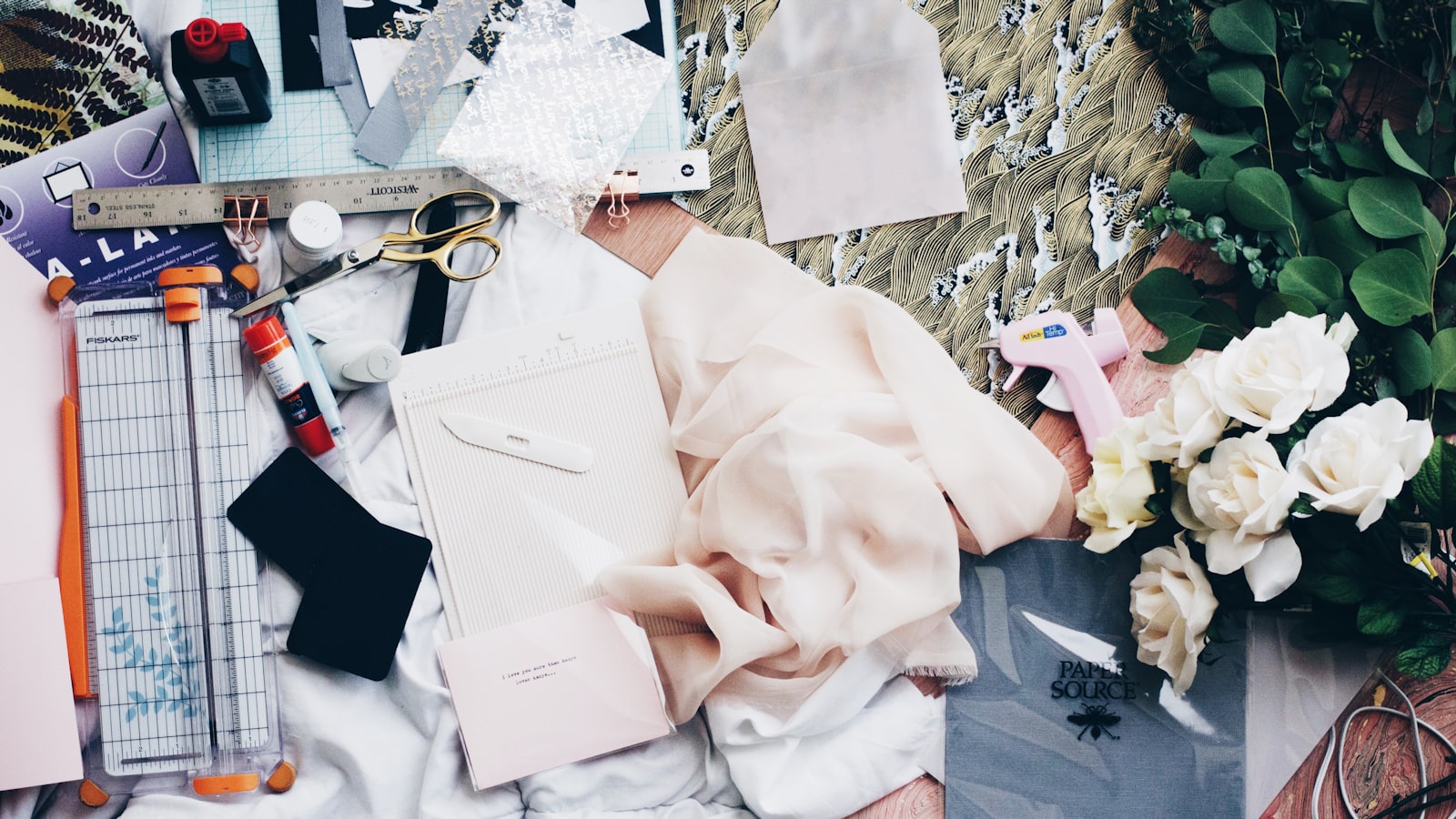
Flat lay photography — shooting a styled arrangement of objects from directly overhead — is one of the most useful formats a brand can master. It’s affordable to produce, endlessly flexible, and it performs well on Instagram, EDMs and product pages. Done well, a flat lay turns ordinary products into a considered, premium-looking scene. Done badly, it looks like a cluttered desk. This guide covers how we approach flat lay photography for brands in Singapore.
The format suits a huge range of businesses: F&B, beauty, skincare, fashion accessories, stationery, wellness, even professional services that need clean visuals for slides and social. If your product fits on a table, it can be a flat lay.
Why flat lay photography works so hard for brands
A few reasons this format earns its place in your content plan:
- It’s efficient. You can shoot many variations in one setup without moving big lights or rebuilding a scene.
- It’s versatile. One styled flat lay crops into a square post, a vertical Story, a wide website banner and an EDM header.
- It controls the message. You decide exactly what’s in frame, so you can group products, show ingredients, or build a lifestyle story.
- It scales. Once you’ve nailed a look and a surface, you can reproduce it consistently for a recognisable feed.
Lighting: the foundation of a good flat lay
Lighting makes or breaks overhead shots. The goal is usually soft, even light with gentle shadows that give objects shape without harsh dark edges.
- Soft natural light is your friend. A large window with indirect daylight is ideal. Place your surface beside it, not directly under harsh sun.
- Diffuse harsh light. Singapore’s direct midday sun is too hard — soften it with a sheer curtain or a translucent diffuser to avoid blown highlights and razor-sharp shadows.
- Use a bounce on the shadow side. A white foam board opposite the light lifts shadows and keeps detail. This single cheap trick noticeably improves results.
- Keep light consistent. Avoid mixing window light with warm ceiling bulbs — pick one source for clean, accurate colour.
- Light direction matters. Side light gives texture and depth; flat front light looks lifeless. Let shadows fall gently across the frame.
Composition: arranging the frame
This is where flat lays go from messy to magazine. A few reliable principles:
Choose a layout style
- Grid — objects in neat rows and columns. Clean, structured, good for product ranges.
- Hero with supporting cast — one main product surrounded by complementary props. Best for storytelling.
- Organic scatter — a relaxed, lived-in spread. Looks effortless but is carefully arranged.
Use negative space
Resist filling every corner. Empty space gives the eye somewhere to rest and leaves room for headlines or text overlays. The most premium-looking flat lays are often the least crowded.
Mind balance and the odd-number rule
Distribute visual weight across the frame so one corner isn’t heavy and another empty. Groups of odd numbers — three or five items — tend to look more natural than even, symmetrical clusters.
Props, surfaces and styling
Props provide context and colour, but they should support the hero, never upstage it.
- Backgrounds: a neutral surface keeps focus on the product. Marble tiles, timber boards, linen, textured paper and painted boards are all affordable options. Many brands keep a few interchangeable surfaces on hand.
- Colour palette: stick to your brand colours plus one or two accents. Too many competing colours read as chaos.
- Contextual props: for an F&B brand, raw ingredients; for skincare, a towel and a sprig of greenery; for stationery, a coffee cup and a pen. Choose props that tell the product’s story.
- Texture: mix smooth and rough — fabric, foliage, paper — to add depth. Local touches like pandan leaves, kopi, or batik fabric can ground a flat lay in a Singapore context.
- Less is more. When in doubt, remove a prop. Crowded flat lays date quickly.
Practical shooting tips
- Shoot truly overhead. Even a slight angle distorts a flat lay. A tripod with an overhead arm, or shooting from a steady step stool, keeps the camera parallel to the surface.
- Style on the floor or a large table near your light so you have room to work around the frame.
- Shoot a little wider than you need so you can crop to square, vertical and horizontal from one frame.
- Lock your setup and shoot variations — swap a prop, change one product — to bank many usable images from one session.
- Keep a reference grid on your phone screen or in-camera to keep lines straight and the composition aligned.
Consistency across dozens of flat lays is harder than nailing one, which is where a content team helps. Our photography and content service styles and shoots flat lays that match your brand and crop cleanly across every channel, and we’ll fold them into your wider social media content plan so you always have something to post. See examples in our work.
Frequently asked questions
Do I need expensive equipment for flat lay photography?
No. A window with soft daylight, a white foam board to bounce light, a couple of interchangeable surfaces and a steady overhead position will produce strong results. You can shoot capable flat lays on a recent smartphone — styling and lighting matter far more than the camera.
How do I keep my flat lays consistent for a branded feed?
Lock in a small set of surfaces, a defined colour palette built around your brand colours, and a repeatable lighting position. Reusing the same backgrounds and light direction is what makes a feed look intentional rather than random.
What’s the best background for flat lay photography?
Neutral surfaces — marble, light timber, linen or textured paper — are the most versatile because they let the product lead. Keep two or three on rotation so you have variety without clutter, and match the surface to your brand’s tone.
Want a library of scroll-stopping flat lays? Tell us about your project and we’ll style, shoot and deliver images ready for every channel.