Menu photography is one of the highest-return shoots a Singapore F&B business can commission, because the images do the selling at the exact moment of decision. On GrabFood, foodpanda and Deliveroo, a dish with a sharp, appetising photo outsells the identical dish listed as plain text — customers literally order with their eyes. Get your menu photography right and it lifts average order value across hundreds of orders a week. This guide covers how we shoot food for menus, delivery platforms and socials, and what makes the difference.
Menu photography is a different job from food editorial
Glossy magazine food photography can be moody, dark and artful. Menu photography has a more practical job: show the dish clearly and accurately so a hungry customer can decide fast. That means clean, bright, true-to-life images where the food is identifiable and looks exactly like what arrives. Over-styling a delivery dish — props everywhere, half the plate cropped out, dramatic shadows — actually hurts, because the customer cannot tell what they are getting. Clarity that triggers appetite is the goal.
The platform also dictates the format. Delivery apps want consistent framing and a tight crop that reads on a phone thumbnail; a printed menu may want a more composed shot; social wants scroll-stopping vertical frames. We shoot with the end placement in mind.
Freshness and the race against time
Food photography is a race. Ice cream melts, herbs wilt, fried items lose their sheen, sauces congeal and steam vanishes within minutes. The single most important rule is shooting dishes at peak freshness, straight from the kitchen, with the lighting and camera fully set up before the plate even arrives. We do a full lighting and composition test on a stand-in, then bring the hero dish out only when we are ready to shoot it in the next minute or two.
This is why an efficient shoot flow with the kitchen matters so much. We agree an order — which dishes, in what sequence — so the kitchen plates to a rhythm and nothing sits under lights going dull. A good menu shoot is as much kitchen coordination as photography.
Lighting that makes food look delicious
Food looks most appetising under soft, directional light, usually from the side or back, which brings out texture and gives food dimension — the crisp edge of a prata, the gloss on char siew, the steam off a bowl of laksa. Flat, front-on light (like a phone flash) kills all of that and makes food look like a cafeteria tray. Backlighting in particular makes drinks glow and sauces shine.
Colour accuracy is critical: greens must look fresh, not grey; meats warm, not sickly. We control white balance carefully because the wrong colour cast makes even great food look unappetising. This discipline runs through all our photography and content for F&B clients.
Styling local dishes honestly
Singapore’s food is gloriously messy — a bak chor mee, a plate of chicken rice, a bubbling claypot. The styling challenge is making these look their best while keeping them real. We work with the kitchen to plate the hero version: the right garnish, a clean rim, the sauce poured at the moment of shooting, the noodles lifted for height. The aim is the dish on its best day, not a fake version the customer will never receive.
Common angles depend on the dish:
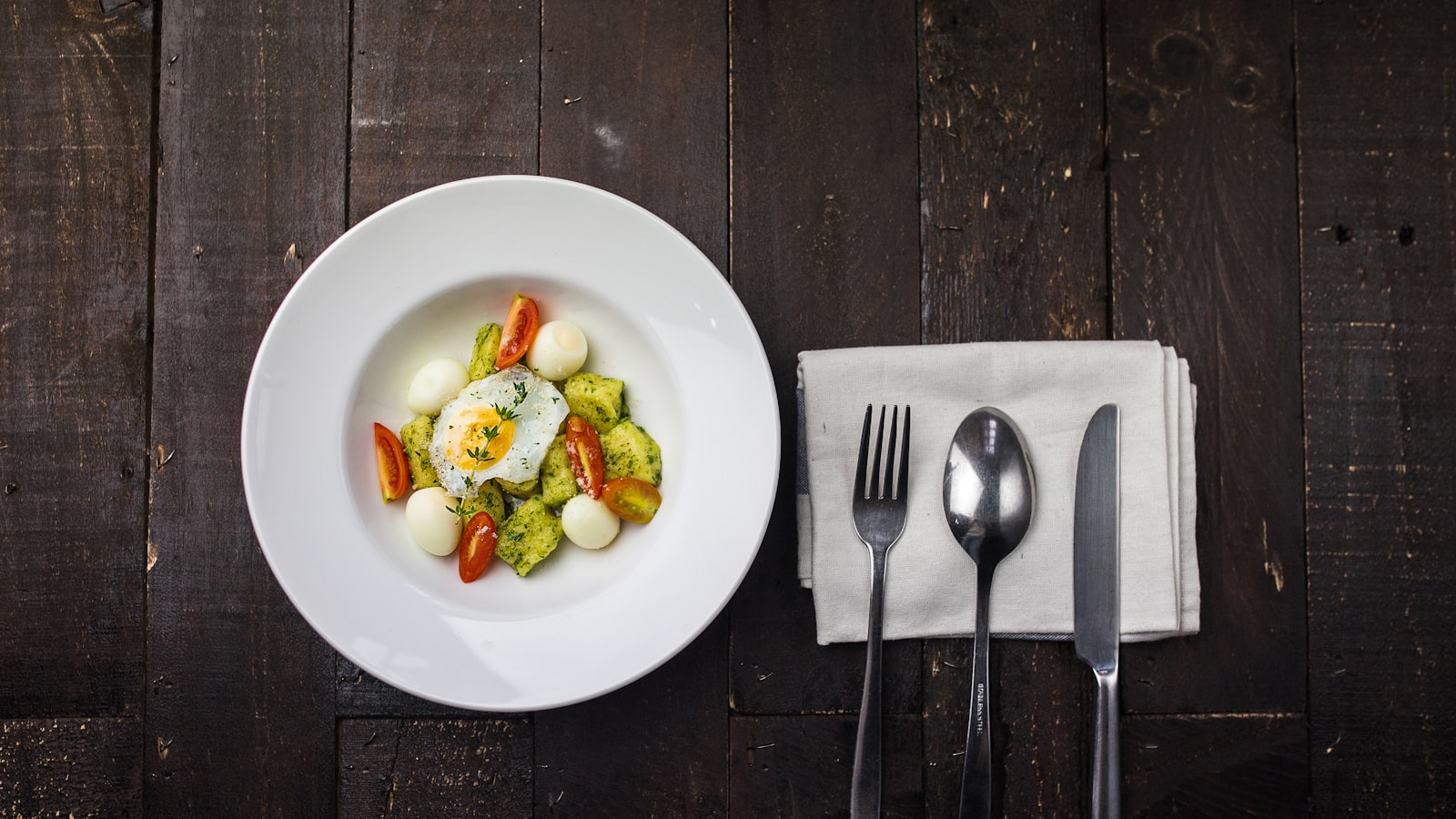
- Overhead (flat lay) — best for flat dishes, bowls, spreads and anything where the top tells the story.
- 45-degree — the natural “as you sit at the table” angle, good for most plated mains.
- Straight-on — for height: burgers, layered cakes, stacked bao, drinks.
Consistency across a full menu
A delivery menu with 60 dishes shot in one style and 20 shot in another looks broken. For menu work, consistency is the whole point: same background, same lighting, same angle convention and the same colour treatment across every item, so the menu reads as one professional set. This is especially important for chains and franchises where every outlet’s listing must match. We shoot to a fixed template precisely so the full menu hangs together — you can see that consistency across our portfolio of work.
Frequently asked questions
How many dishes can you shoot in a day?
It depends on plating complexity, but a well-organised menu shoot can cover a substantial number of dishes in a day when the kitchen is ready to plate in sequence. The bottleneck is usually kitchen pacing and freshness, not the camera, so a planned running order is key.
Do you use the real food or fake food?
Real food, freshly plated by your kitchen. The dish customers order should match what they see, so we shoot the genuine item at peak freshness rather than using props or fake substitutes. Honest images also protect you from complaints and bad reviews.
Will the photos work for both delivery apps and our printed menu?
Yes. We shoot with the end uses in mind and deliver crops and formats suited to GrabFood, foodpanda and Deliveroo thumbnails, your printed menu, and social media, so one shoot serves every channel.
Why do my own phone photos of the food look unappetising?
Usually it is flat, direct light and the wrong colour balance, which make food look grey and lifeless. Professional menu photography uses soft, directional light to bring out texture and steam, accurate colour so food looks fresh, and shooting at peak freshness before the dish degrades.
Want a menu that orders itself? Tell us about your restaurant and we will plan the shoot.