Furniture is a high-consideration purchase made increasingly online, where the customer is committing hundreds or thousands of dollars to something they cannot sit on, touch or measure against their own room. That makes furniture photography do an unusually heavy job: it has to convey material quality, true colour, scale and how a piece will feel in a real home. For Singapore furniture retailers, makers and interior brands selling on their own sites and marketplaces, this guide covers how we approach furniture photography and its particular challenges.
Two image types, two jobs
Furniture e-commerce needs two distinct kinds of image, and the best stores use both:
- Catalogue shots (on white) — the piece cleanly isolated on a white or neutral background, from consistent angles. These power the product page, let customers see the item clearly, and keep the whole range looking uniform.
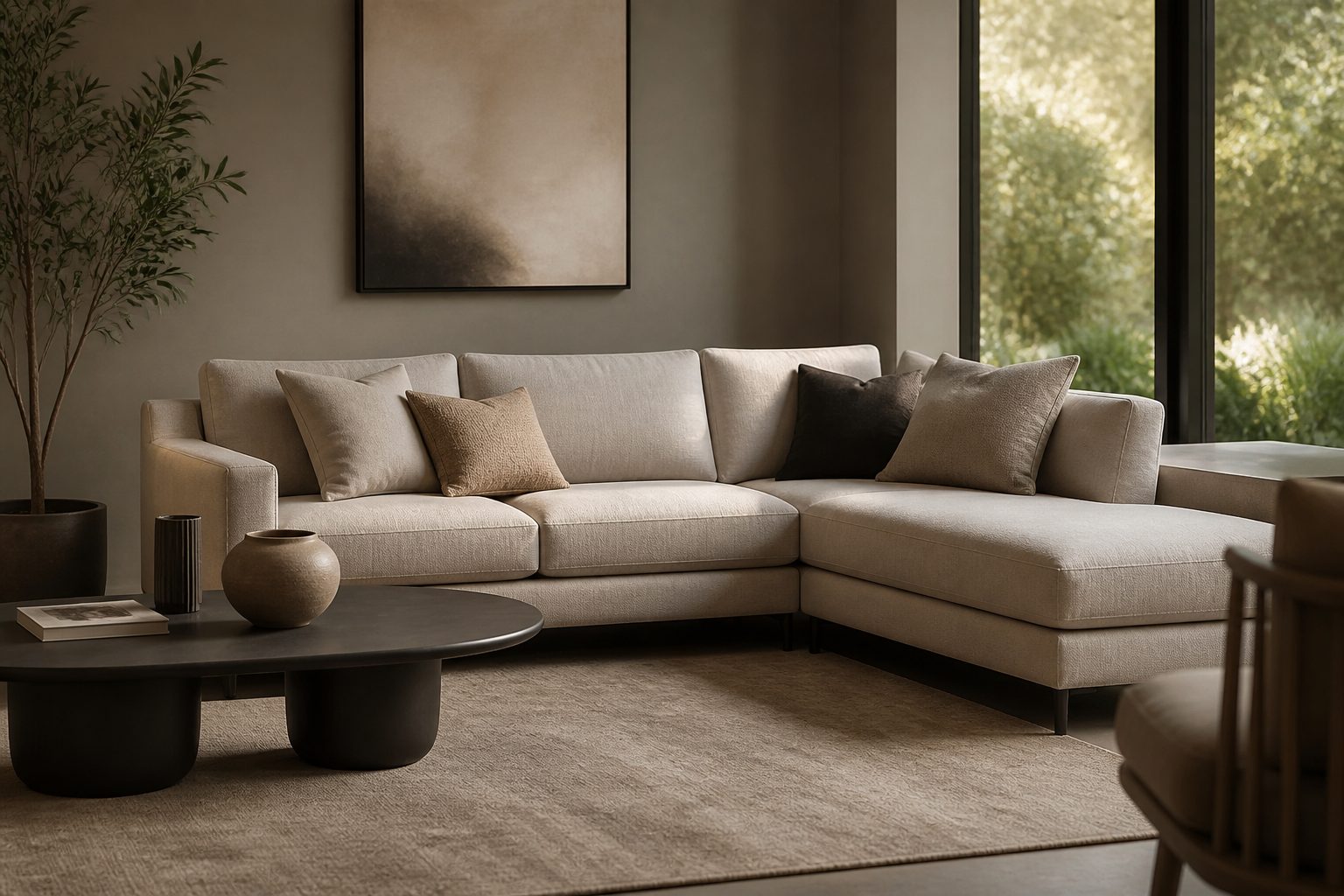
- Room sets / lifestyle — the piece staged in a styled interior with rugs, plants, lighting and complementary décor. These sell the aspiration and, crucially, give scale and context — showing how a sofa looks in an actual living room rather than floating in a void.
Catalogue shots inform; room sets persuade. Skipping the room sets is a common mistake, because customers struggle to imagine a piece in their home from a white-background image alone.
Conveying material and texture
Furniture sells on materials — the grain of solid wood, the weave of a fabric, the grain of leather, the sheen of powder-coated metal, the texture of rattan or boucle. Capturing these convincingly requires lighting that rakes across surfaces to reveal texture and depth, plus detail shots that let customers almost feel the material. We shoot close-ups of the joinery, the upholstery weave, the stitching and the finish, because these details justify the price and answer the quality question that a wide shot cannot. This attention to material is core to our photography and content approach.
Colour accuracy on big-ticket items
A sofa that photographs as warm beige but arrives cool grey is an expensive, bulky return — and furniture returns are far more painful to handle than a returned t-shirt. Accurate colour is therefore essential. We control white balance and lighting carefully so the wood tone, fabric colour and finish on screen match the real piece. For ranges offered in multiple finishes or fabrics, consistent, true-to-life colour across every variant lets customers choose confidently.
Scale and proportion
One of the hardest things to communicate is size. A chair shot in isolation gives no sense of whether it is petite or oversized, and dimension lines only go so far. Room sets solve this by placing the piece among recognisable objects; styling with familiar items (a coffee cup, a book, a plant) provides scale cues. We also shoot from angles and at focal lengths that represent proportions honestly, avoiding the distortion that makes furniture look stretched or shrunken, because misjudged scale is a leading cause of furniture returns and complaints.
The logistics nobody warns you about
Furniture photography is as much a logistics exercise as a photographic one. The pieces are large, heavy and awkward — moving a wardrobe or a three-seater sofa around a set takes people and planning. We coordinate the shoot order to minimise reshuffling, ensure pieces arrive clean and undamaged (every scuff and dust speck shows under good lighting), and allow time for styling each room set. For room sets, building or dressing a convincing interior set takes preparation and props. None of this is visible in the final image, but it is what makes a furniture shoot run on time and on budget. The breadth of staged and catalogue work shows across our portfolio of work.
Consistency across the catalogue
For a furniture retailer, the product grid should look uniform — every piece shot at the same scale, angle, lighting and background so the range reads as one professional collection. We set a repeatable template so that as new pieces are added, they match the existing catalogue exactly. For room sets, maintaining a consistent styling aesthetic across the collection reinforces the brand’s identity, whether that is Scandinavian-minimal, mid-century, or warm contemporary.
Frequently asked questions
Do I need room sets or are white-background shots enough?
You really need both. White-background shots let customers see the piece clearly and keep the catalogue consistent, but room sets sell the aspiration and provide the scale and context customers need to imagine the piece in their own home. Room sets often do the heavy lifting on conversion.
How do you photograph materials like wood, leather and fabric convincingly?
With directional lighting that rakes across surfaces to reveal grain, weave and texture, plus dedicated close-up detail shots. These let customers almost feel the material and understand the quality, which is what justifies the price on a considered purchase.
How do you handle the size and weight of furniture on a shoot?
Careful planning. We sequence the shoot to minimise moving heavy pieces, ensure items arrive clean and undamaged, and allow time to style room sets. The logistics are a real part of a furniture shoot, and planning them is what keeps it on schedule.
Can you match new products to our existing catalogue look?
Yes. We shoot to a fixed template — same scale, angle, lighting and background — so new pieces slot seamlessly into your existing product grid, and we keep room-set styling consistent with your brand’s aesthetic.
Selling furniture online? Tell us about your range and we will plan the shoot.