For any brand that ships a product, the mailer box is the first physical thing the customer holds — and increasingly the moment they photograph and post. Strong mailer box design protects the product in transit, makes the unboxing feel intentional, and turns a delivery into a brand experience without blowing the budget. This guide covers how we approach custom mailer box design as a Singapore studio: the box styles, the board and print choices, the dieline realities, and how to design an unboxing that earns its cost.
What a mailer box is (and is not)
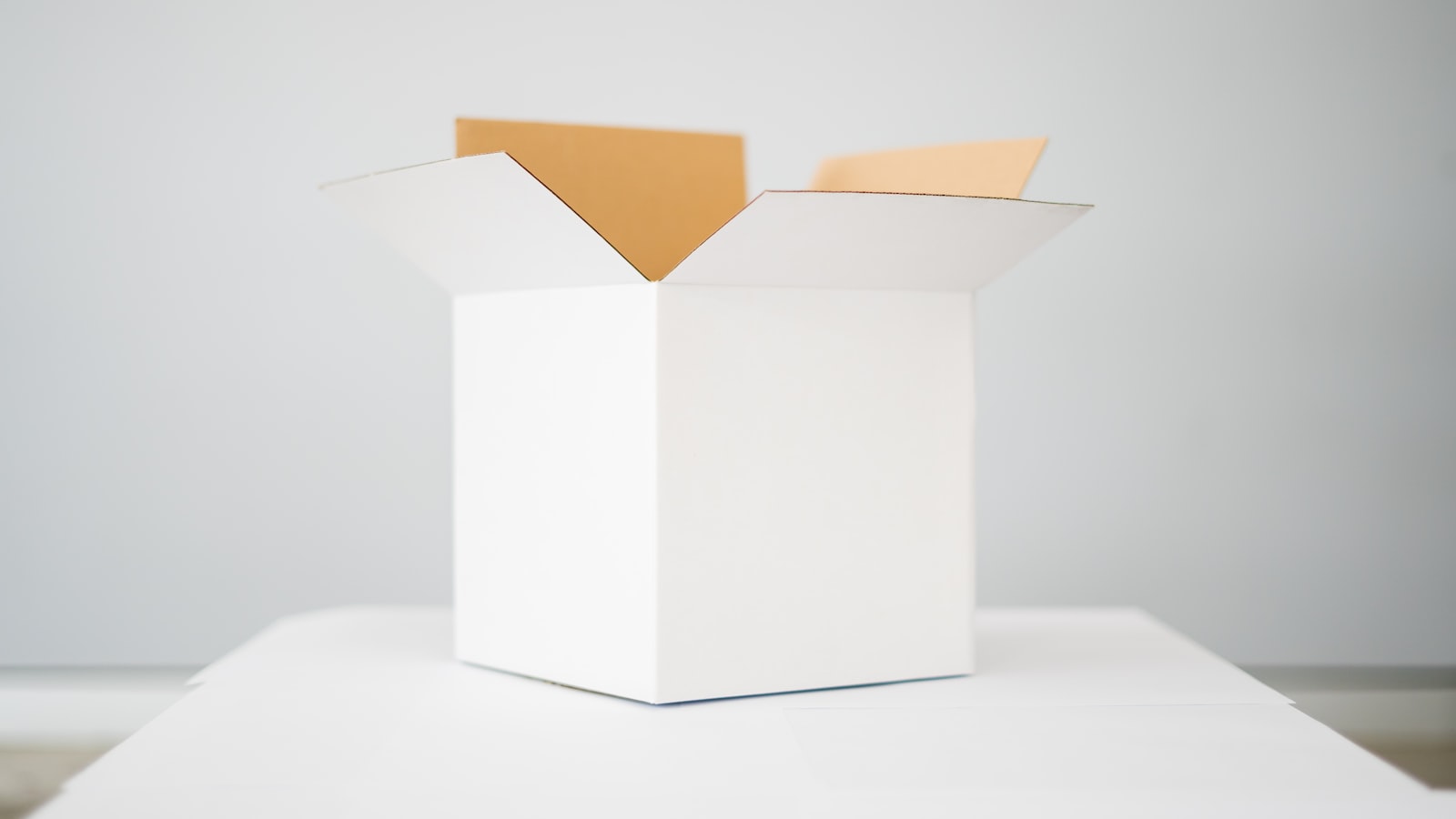
A mailer box is a self-contained shipping box — typically a single piece of corrugated board that folds into a sturdy box with wings that lock the lid, no tape required. It is different from a folding carton (thin board, for retail shelves) and from a plain brown shipping carton. The mailer box is the format e-commerce brands use because it survives the post and looks considered when it arrives.
Common styles: the roll-end tuck front and roll-end front lock mailers are the e-commerce standards — strong, easy to assemble, and giving a clean printable interior and exterior.
Board grade: protection comes first
A box that looks great but arrives crushed has failed. Board choice balances protection, weight and cost:
- E-flute corrugated — the common choice for mailer boxes; thin enough to print well, strong enough to protect most products.
- B-flute — thicker and tougher for heavier or more fragile items.
- Kraft vs white — natural kraft board gives an earthy, sustainable look and prints well in one or two colours; white-top board gives a clean surface for full-colour printing.
Match the board to the product weight and the shipping journey. Over-speccing wastes money and material; under-speccing means damaged goods and returns.
Designing the unboxing
The unboxing is the whole point of a custom mailer box, and it has a sequence the design should choreograph:
- Exterior — clean and brand-led; often understated kraft with a logo, because the outside travels through couriers and warehouses.
- Inside the lid — the reveal moment; a printed message, pattern or thank-you that greets the customer as they open.
- Interior base and inserts — where the product sits; consider a printed liner, tissue, or a die-cut insert that holds the product neatly.
The best unboxing feels deliberate without being wasteful — a single printed interior message and a tidy fit often beats layers of filler. Restraint also keeps cost and packaging waste down.
Print methods and their trade-offs
How a mailer box is printed shapes both the look and the economics:
- Flexographic printing — economical at volume, good for one or two solid colours on kraft (logos, simple graphics).
- Litho-lamination — a litho-printed sheet laminated to corrugated board for full-colour, photographic exteriors; higher set-up, premium result.
- Digital printing — increasingly viable for shorter runs and full-colour without the plate set-up, good for smaller brands and seasonal designs.
For many Singapore SMEs starting out, one or two-colour flexo on kraft gives a strong, sustainable look at sensible cost; full-colour litho-lamination makes sense once volumes justify the set-up.
Working from a dieline
A mailer box is designed flat on a dieline — the unfolded shape showing every panel, flap, fold and lock. Designing on the dieline is essential because graphics have to align across folds, the interior reveal has to land on the right panel, and content must stay clear of fold creases and the locking wings where it would crack or be hidden. We confirm the dieline and a folded white-card mock-up before any printing so the construction, fit and reveal all work in the hand. Packaging like this is part of the brand experience we design through our branding and design service, and you can see brand and packaging work in our portfolio.
Specs and practical considerations
Get the internal dimensions right first — size the box to the product so it does not rattle (or force expensive filler). Build artwork on the supplied dieline with bleed across fold edges, keep type and logos away from crease lines, set colour for the chosen print method (Pantone for flexo brand colours), and supply at print resolution. Factor in flat-pack storage and assembly: mailer boxes ship and store flat, which saves space, but someone assembles them — keep the fold and lock simple if your team is packing by hand.
Frequently asked questions
How much does a custom mailer box cost?
It depends on size, board grade, print method and quantity — unit cost drops sharply with volume because set-up (dieline, plates) is fixed. We avoid quoting fixed figures here because they move with materials and run length; the cost levers are board grade, number of print colours, and order quantity.
Kraft or white board?
Kraft suits a natural, sustainable look and prints beautifully in one or two colours at lower cost. White-top board suits full-colour, photographic designs. Choose based on your brand look and whether you need full-colour printing.
How do we keep packaging sustainable?
Right-size the box to the product, use recyclable corrugated board and water-based or soy inks, skip plastic windows and excess filler, and print only what adds meaning. A well-fitted single-material box is both cheaper and more sustainable than an oversized one stuffed with void fill.
Launching or upgrading your packaging? Tell us about your product and we will design a mailer box that protects it, fits it, and makes the unboxing feel like your brand.