Portrait photography for business is not vanity — it is trust infrastructure. The headshot on your LinkedIn, the team grid on your About page, the founder portrait in a pitch deck or press feature: these images decide whether a stranger sees you as credible before they read a single word. This guide covers professional and brand portrait photography in Singapore — the styles, the lighting, and the practical decisions that separate a forgettable corporate mugshot from a portrait that actually works for you.
The types of brand portrait, and what each is for
“Portrait” covers several jobs, and they are not interchangeable:
- Corporate headshots — clean, consistent, neutral background. For team pages, email signatures, conference bios and LinkedIn.
- Environmental portraits — the subject in their actual workplace: the chef in the kitchen, the architect at the desk, the founder on the factory floor. These tell a story a plain headshot cannot.
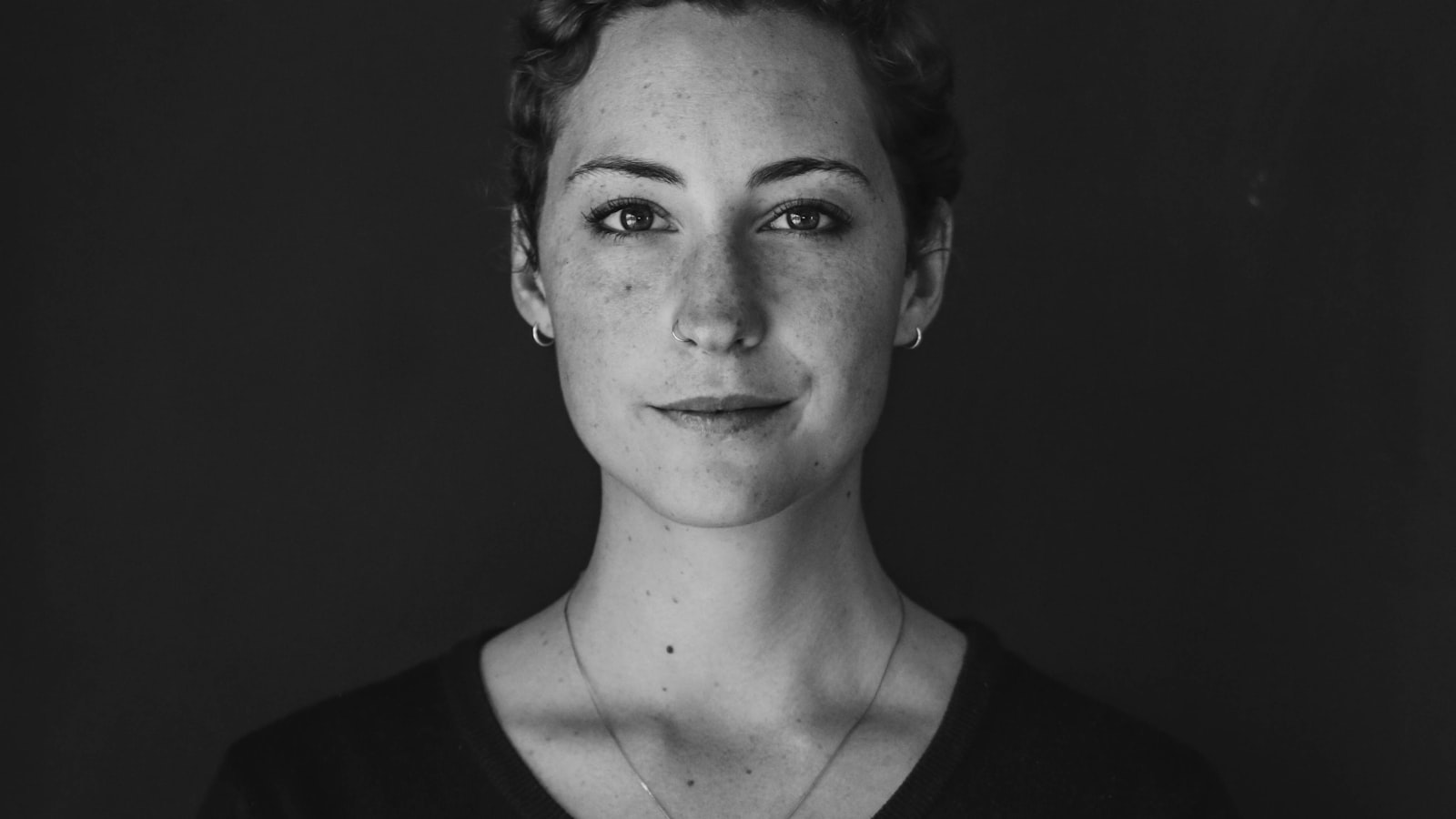
- Editorial / personal-brand portraits — more styled and expressive, for founders building a public profile, speakers, coaches and consultants.
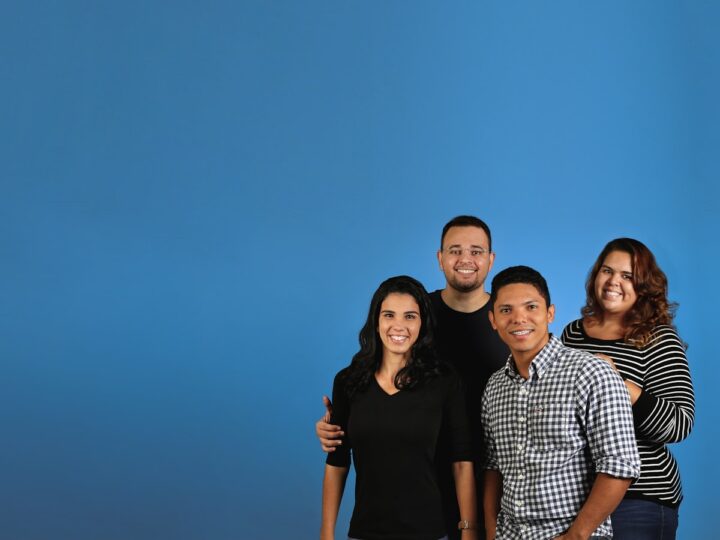
- Team and group portraits — the hardest to make look natural, because you are managing many people, many expressions and consistent lighting at once.
Knowing which one you actually need stops you paying for an elaborate editorial shoot when you simply needed forty consistent headshots.
Why consistency matters more than any single great shot
For a brand, the worst outcome is a team page where everyone was shot in a different year, light and crop — some smiling against grey, some cut out from holiday photos. It reads as disorganised. The fix is a defined portrait standard: same background, same lighting setup, same framing and the same colour treatment for everyone, including the people who join next year.
We shoot to a repeatable recipe and document it, so when you onboard new staff the portraits drop straight into the existing grid. That discipline is the same thinking we bring to a whole brand’s photography and content — a library that looks like one brand, not fifty.
Lighting that flatters real people
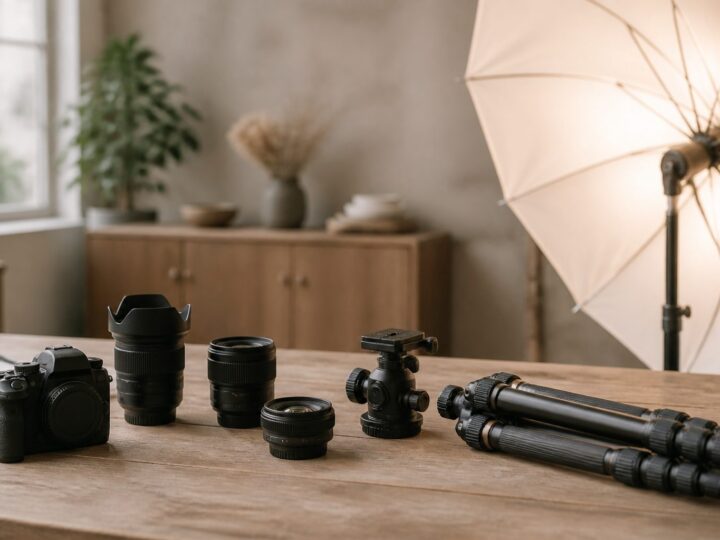
Most people dislike photos of themselves because of bad lighting, not their face. Harsh overhead office light deepens eye bags and hardens features. A proper portrait setup uses soft, directional light — a large source close to the subject — to smooth skin naturally and put a catchlight in the eyes that makes them look alive.
For corporate work we often use a clean two-light setup for a polished, even look. For editorial and founder portraits we shape the light more dramatically, or work with window light for a softer, human feel. Either way, the aim is to flatter without making people look airbrushed into someone else.
Directing people who hate being photographed
Most professionals are not models, and many are visibly uncomfortable. That discomfort shows up as a tense jaw, a frozen smile, hunched shoulders. Good portrait photography is two-thirds direction: small, clear cues for posture and chin angle, a bit of conversation to get a genuine expression, and quick feedback so the subject relaxes instead of bracing. A relaxed person photographs ten times better than a stiff one, and getting them there is a skill, not luck.
Wardrobe, grooming and the brief
The shoot succeeds or fails on prep. We send guidance before the day:
- Wardrobe — solid colours over busy patterns, bring a couple of options, and align with the brand’s level of formality. For a team, a loose dress code (e.g. “smart, no logos, no bright stripes”) keeps the set cohesive without forcing uniforms.
- Grooming — touch-up powder for shine is worth it under lights, especially in our humidity.
- References — share two or three example portraits in the style you want so we are aligned before anyone stands in front of the camera.
Studio versus on-location
A studio gives you total control: clean backgrounds, perfect lighting, fast turnaround for high-volume headshot days where you process a whole team in a morning. On-location and environmental portraits give context and personality — they show where and how someone works, which is far more compelling for founder features and culture pages. Many brands do both: studio headshots for consistency, plus a handful of environmental portraits for storytelling. You can see how that range plays out across our portfolio of work.
Frequently asked questions
How long does a corporate headshot session take per person?
With the lighting pre-set, each person typically needs only a few minutes in front of the camera. The bigger factor is scheduling — a whole team is best run as a rolling session so people cycle through quickly without long waits.
Do you retouch portraits, and how much?
We do natural retouching — evening skin tone, reducing shine and stray hairs, gentle blemish cleanup — so people look like themselves on a good day. We avoid heavy editing that makes faces look plastic or unrecognisable, which undermines the trust a professional portrait is meant to build.
Can you match the style of our existing team photos?
Yes. If you have an existing standard, we match the background, crop and treatment so new portraits sit seamlessly alongside the old ones. If your current set is inconsistent, it is often worth resetting to one clean standard everyone moves to.
Studio or our office — which is better?
For pure consistency and volume, a controlled studio setup wins. If you want the portraits to feel grounded in your actual workplace and show personality, on-location is stronger. We will recommend based on how and where the images will be used.
Need portraits your whole team can stand behind? Tell us what you need and we will plan the session.