Animals do not follow a shot list. That single fact is what separates commercial pet photography from almost every other genre we shoot. When a pet-food brand, a vet clinic, a grooming salon or a pet insurer hires us, they need warm, alert, genuinely happy animals — not a dog mid-yawn or a cat showing its back. Good pet photography is far less about the camera than about reading the animal, working fast, and building a calm set the subject actually enjoys. This guide explains how we approach it for brand work in Singapore.
Why pet photography is its own discipline
You cannot direct a Shiba Inu the way you direct a model. There is no “hold that, chin down, again”. The animal gives you a window — sometimes thirty seconds of ears-up curiosity before it gets bored, distracted or stressed — and your job is to be ready when it opens. That changes everything about how we prepare.
It means short sessions rather than long ones, because a fresh animal photographs far better than a tired one. It means the technical settings are locked in before the pet ever walks on set, so we are never fiddling with the camera during that precious window. And it means at least one person whose only job is the animal: an owner or handler the pet already trusts, positioned just behind the lens.
Camera settings that keep up with a moving animal
The most common reason brand pet shots fail is motion blur. A tail wag, a head tilt, a sudden lunge for a treat — animals move in unpredictable bursts, so we shoot to freeze them.
- Fast shutter speed. We rarely drop below 1/500s for a calm sit, and push to 1/1000s or faster for any play or running. This is non-negotiable for sharp, sellable frames.
- Continuous burst mode. The difference between an open, joyful expression and a half-blink is a fraction of a second. Firing in bursts means we catch the peak of an action or expression rather than guessing at it.
- Focus on the eyes. Eye-detect autofocus, where the camera locks onto the animal’s eye, is the single biggest technical advantage of modern bodies. A sharp eye makes a portrait; a soft one bins it.
- A forgiving aperture. We avoid shooting too wide open with restless animals — a razor-thin depth of field means the nose is sharp and the eyes are not. A touch more depth buys margin for sudden movement.
Lighting that does not spook the subject
Harsh, repeated flash unsettles a lot of animals — the pop and recycle whine can put a dog on edge within minutes, and a stressed animal reads as stressed in the final image. Where we can, we favour continuous lighting or large soft sources, or simply work with good natural light. The animal sees a steady, constant glow rather than a startling burst, and stays relaxed.
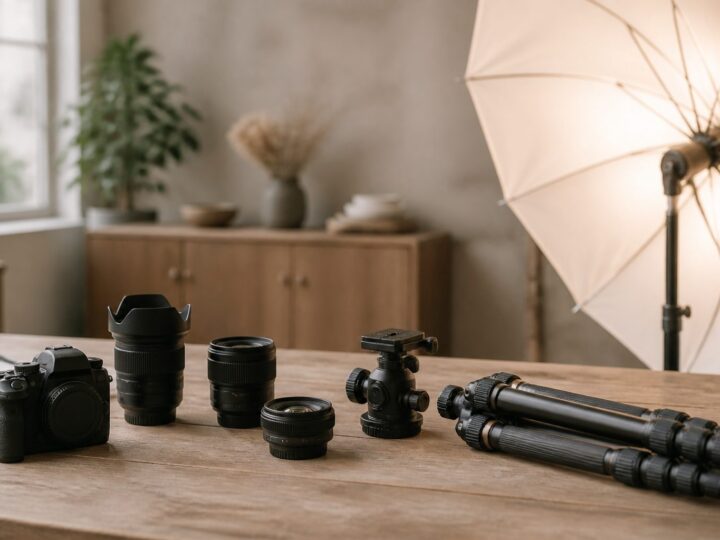
Continuous light also lets the owner and handler see exactly what the pet is doing in real time, which makes wrangling far easier. For lifestyle frames — a cat on a sunlit HDB windowsill, a dog at a café table — window light is often all we need, and it flatters fur beautifully. When a brand does need the crispness of strobe for a clean product-style shot, we introduce it gradually and watch the animal’s body language the whole way.
Getting attention, alertness and the ears-up look
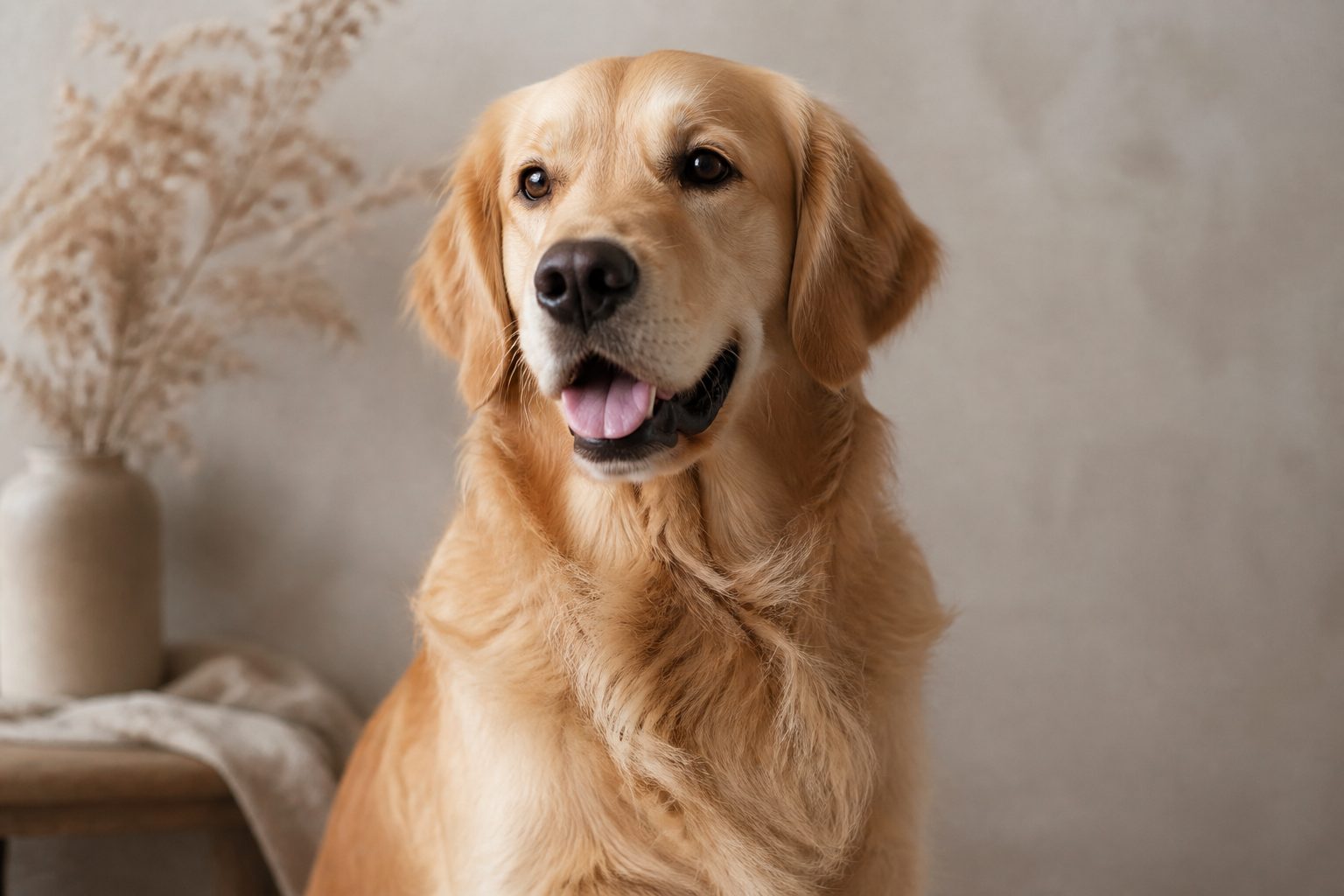
That bright, engaged expression every pet brand wants — eyes locked on, ears forward, head cocked — does not happen by accident. We manufacture it, gently. Squeakers, a crinkle of a treat bag, an unfamiliar whistle or a soft “what’s that?” from the handler all trigger a half-second of sharp attention. The trick is variety: animals habituate fast, so a sound that works on the first frame is ignored by the tenth. We rotate cues constantly.
Treats earn cooperation, but they also drop the gaze, so we time them carefully — reward after the frame, hold attention before it. Shooting at the animal’s eye level, often crouched or flat on the floor, is what gives pet photography its intimacy and dignity; shooting down at a dog makes it look small and submissive, which is rarely the brand message.
What different pet brands actually need
The brief shapes the shoot. A few patterns we see repeatedly in Singapore:
- Pet food and treats: alert, healthy, glossy-coated animals and the moment of anticipation before a meal — appetite appeal, but for the pet.
- Vet clinics and pet insurance: trust and care. The hero shot is usually the genuine bond between an owner and their animal, or a calm, reassuring interaction with staff — not clinical sterility.
- Groomers: clean before-and-afters, texture of fur, and the pampered, content expression that sells the service.
- Pet cafés and retail: lifestyle scenes that feel like a real Singapore weekend — animals comfortable in a busy, social space.
Capturing the real animal-owner relationship is often the most valuable frame of the day, because it is the thing no stock library can fake. We plan our pet photography around finding that genuine moment, then build the cleaner product and brand frames around it. You can see how we approach commercial briefs across our portfolio, and the full scope sits within our photography & content service.
Working with pets in a Singapore context
Most pet photography here happens with HDB-dwelling dogs and cats, which shapes both location and expectation. Home shoots in flats mean tight spaces and mixed light, so we travel light and lean on window light. Pet cafés and pet-friendly spots around the island make great lifestyle backdrops but come with noise and distraction, so we scout quieter timings. And because Singapore is hot, outdoor sessions get scheduled for early morning or late afternoon — kinder to a panting dog and, conveniently, the nicest light of the day.
We also keep welfare front and centre. A pet that needs a break gets one. Pushing a stressed animal never produces usable frames, and a relaxed set is the whole game.
Frequently asked questions
How long does a pet photography session take?
We plan for the animal’s attention span, not the clock. Many shoots run in short bursts across one to two hours with rest breaks, because a fresh pet photographs far better than a tired one. The exact length depends on how many setups the brand needs and how the animal settles in.
Should the owner be on set?
Usually yes. A familiar handler or owner positioned just behind the camera is the most effective tool we have for getting an alert, happy expression. They know the pet’s name responses, favourite sounds and cues, and the animal stays calmer with them close by.
Can you photograph nervous or rescue animals?
Yes, with patience. We use continuous or natural light to avoid startling flash, work in short windows, let the animal explore the set first, and never force a frame. Some shy animals need a longer warm-up, which we build into the plan rather than rushing.
Got a pet brand to bring to life? Tell us about your animals and your campaign and we’ll plan a shoot that gets the alert, genuine pet photography your brand needs.