Line everyone up, count to three, smile — and you get a photo nobody really connects with. Ask the same people to forget the camera and you get the shot that ends up on the wall: a real laugh, a candid handshake, a moment of genuine attention. That’s candid photography — natural, unposed images that capture people as they actually are. For Singapore corporate events and brand content alike, candid photography delivers the authenticity that posed group shots simply can’t.
What candid photography is — and isn’t
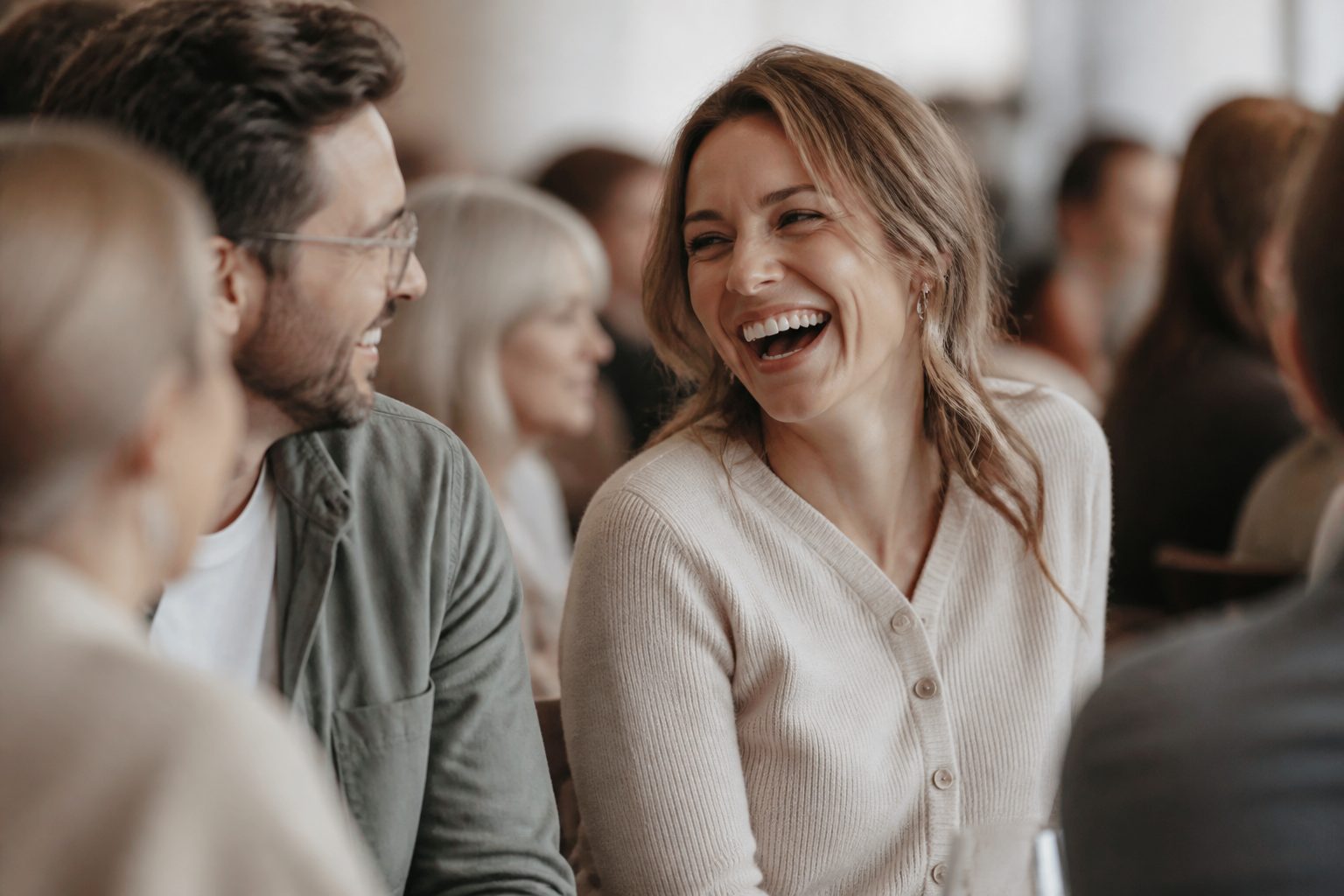
Candid photography means capturing spontaneous, unposed moments: the reaction during a keynote, the conversation between sessions, the genuine grin at a dinner table. The subject isn’t directed and often isn’t even aware of the exact moment the shutter fires. The photographer’s job is to anticipate and capture real human moments as they happen.
It’s not the absence of skill — it’s a different skill. Posed portraiture is about control: positioning, lighting, expression on cue. Candid photography is about readiness: reading a room, predicting where the moment will land, and being in the right place with the right settings before it does.
The technique behind a “lucky” shot
Candid moments look effortless, which is exactly why they’re hard. What makes them consistent:
- Anticipation — watching body language and the flow of an event to predict the laugh, the toast, the embrace before it happens.
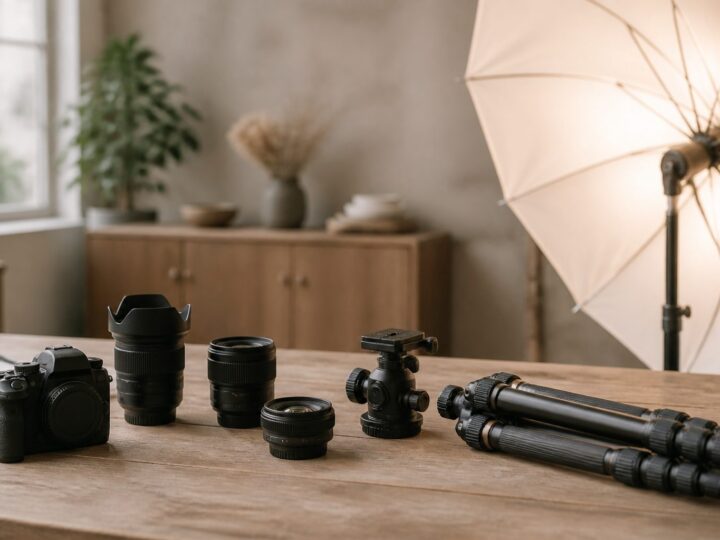
- A longer lens — working from a distance with a 70-200mm (or similar) keeps the photographer out of people’s space, so subjects stay natural and unaware. Get too close and the moment evaporates.
- Fast shutter and burst mode — fleeting expressions last a fraction of a second, so a quick shutter freezes them and short bursts catch the peak of a moment rather than the half-blink before or after.
- Available light — candid work usually means shooting with the light in the room rather than firing flash, which would announce the camera and kill the spontaneity. That demands cameras and lenses that perform in low light.
- Patience and invisibility — the best candid photographers fade into the background and wait. The longer they’re around without interfering, the more people relax and the better the moments get.
Reading the room
A big part of candid photography happens before the shutter — in watching. At a corporate event we’re tracking where energy is building: who’s about to give an award, which table is mid-joke, when the speaker will land their punchline, where the genuine networking is happening. We position ourselves for the moment that’s coming, not the one that just passed. This anticipation is what separates a folder of real, frame-worthy moments from a pile of backs-of-heads and missed reactions.
Candid vs documentary vs posed
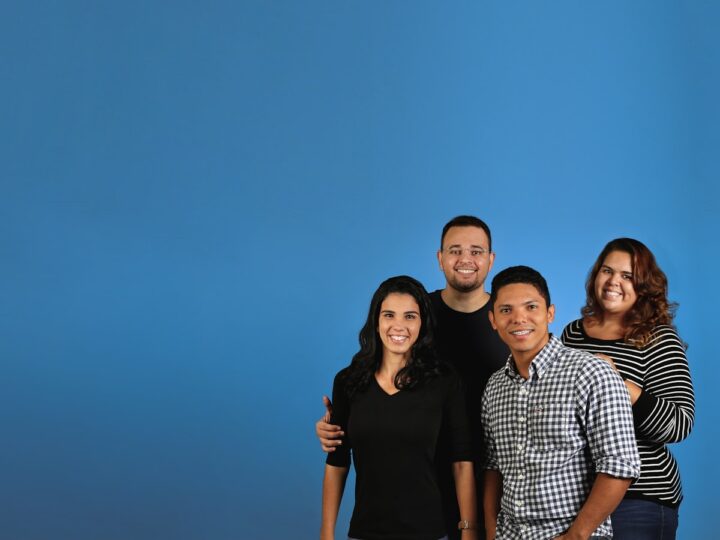
These get muddled, so it’s worth being clear. Posed imagery is directed — people are arranged and told how to stand or smile. Candid photography captures spontaneous moments, usually within an event, without direction. Documentary photography is a sustained, intentional narrative — telling a story across a session or a day, following a process.
The simplest way to hold the difference: candid is about the individual unguarded moment; documentary is about the unfolding story. Most event coverage uses candid heavily, with a few posed group shots when the occasion needs them.
When candid beats posed
Candid photography is the right call whenever authenticity and emotion matter more than formality:
- Corporate events and conferences — engaged audiences, real networking, speakers in flow, genuine reactions.
- Company D&D dinners and celebrations — the laughter, the dancing, the table moments that show the night actually happened.
- Team culture content — real people enjoying real work, far more convincing than stock-style posed teams for careers pages and social.
- Brand and social content — natural imagery that feels human and scrolls well, rather than stiff and staged.
For a Singapore company building its employer brand or covering a flagship event, candid imagery is what makes the content feel true. A careers page full of genuine, candid moments says more about culture than any posed group photo. We build candid coverage into our event and brand photography, and you can see the natural style we aim for across our portfolio.
Getting great candids at your event
A few things help us deliver. Brief us on the run sheet and the moments that matter — the award, the toast, the surprise — so we’re positioned for them. Point out the key people we should make sure to capture. And then let us work quietly in the background; the less the photographer is a presence, the more natural the results. Good candid photography is unobtrusive by design, so the best sign it’s working is that your guests barely notice it happening.
Frequently asked questions
How do you get natural shots if people know there’s a photographer?
Distance and patience. Working with a longer lens from across the room keeps us out of people’s personal space, and once the event gets going people are absorbed in what they’re doing. The skill of candid photography is being present without being intrusive, so genuine moments keep happening.
Should I book candid or posed coverage for my corporate event?
Usually both, weighted to candid. The bulk of memorable event images are candid — real reactions and interactions — while a handful of posed group shots cover the formal needs (award winners, VIP photos, the full team). We plan the mix around your run sheet.
Does candid photography need flash?
Wherever possible we avoid it, because flash announces the camera and breaks the spontaneity. We shoot with available light using gear that handles dim function rooms well. For very dark venues we may use discreet, bounced lighting, but the aim is always to stay unobtrusive.
Got an event or culture story to capture? Tell us what’s coming up and we’ll plan candid photography that catches the real moments.